
You’ll spot venison on menus and at markets in all sorts of places—Europe, North America, New Zealand, and even parts of Asia. The countries eating the most deer meat? That’d be the United States, New Zealand, and several European nations where hunting and local markets keep venison on the table.
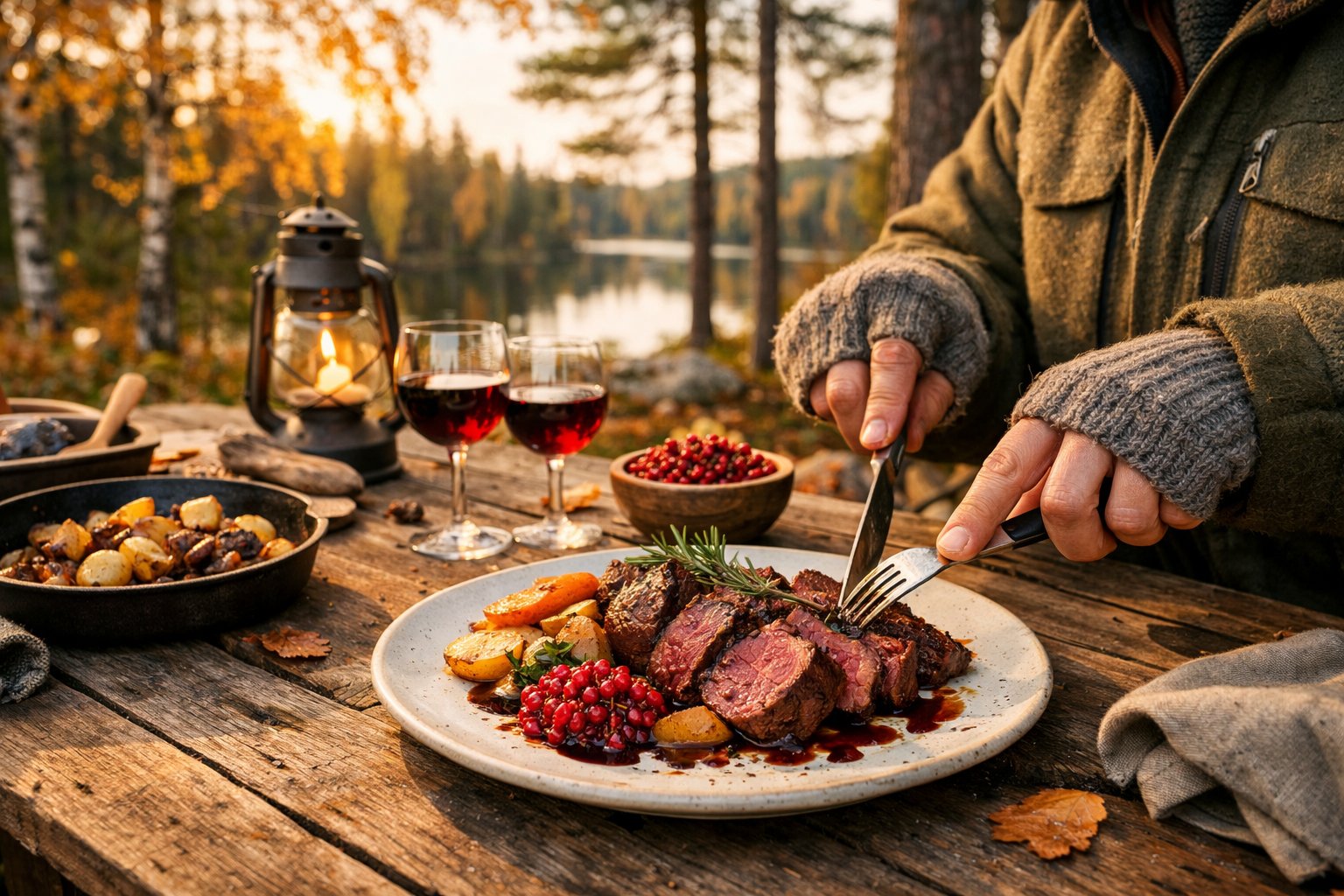
When you dig into why venison shows up in kitchens, you’ll see how culture, laws, and local wildlife shape the story. Want to know where deer meat is common, how people get it, and what rules impact its use?
Let’s get into which countries eat deer meat, how they source it, and the cultural or legal reasons behind those choices.
Countries Where Deer Meat Is Eaten

People eat deer meat (venison) as both wild-harvested and farmed food. Some see it as a tradition, others as a specialty, and a few countries use it in land-management programs.
United States of America and Venison Popularity
In the U.S., venison mostly comes from hunting and small farms. States like Wisconsin, Michigan, Pennsylvania, and Minnesota have strong hunting cultures, and hunters usually process and eat what they harvest.
State and federal regulations limit the sale of wild-harvested venison, so stores mostly sell farm-raised or inspected venison. You’ll find steaks, ground venison, and cured products in specialty shops and some supermarkets.
Lead from bullets is a real concern, so health groups suggest careful butchering or switching to non-lead ammo.
New Zealand’s Deer Meat Industry
New Zealand runs a big, export-driven deer meat business, which is a whole different game than small-scale hunting. Farmers raise red deer and other species on large farms, sending venison to Europe, China, and the U.S.
Local processing plants follow strict inspection rules, so venison from New Zealand reliably shows up in restaurants and global supply chains. You’ll see it sold as premium cuts or ready-to-cook meals.
Wild deer population control programs also supply some meat, which helps reduce environmental damage while putting food on the table.
Deer Meat Consumption in Russia and Europe
In Russia and parts of Europe, people eat both farmed and wild venison. Rural communities in Russia, Switzerland, and other European countries eat deer meat seasonally or when hunting is legal.
Wild venison tastes a bit stronger—more “gamey”—thanks to the animal’s diet. Some European countries protect and regulate venison closely, with hunting seasons, quotas, and inspection rules.
You’ll spot it in specialty restaurants, farmers’ markets, and regional festivals, where local recipes shine.
Deer Meat Practices in Asia and South America
Asia and South America have all sorts of deer-meat practices, shaped by law and culture. In New Guinea, Japan, Mongolia, Myanmar, and Indonesia, communities hunt local deer or farm some species.
Japan’s deer control programs supply local meat in some regions. In Peru and Nicaragua, deer meat isn’t as central but still appears in local diets or regulated hunting.
Some Asian countries protect deer by law, so farming or limited consumption replaces wild hunting. Before buying or hunting venison, it’s smart to check local rules, since they vary a lot.
Cultural, Economic, and Legal Factors Affecting Deer Meat Consumption
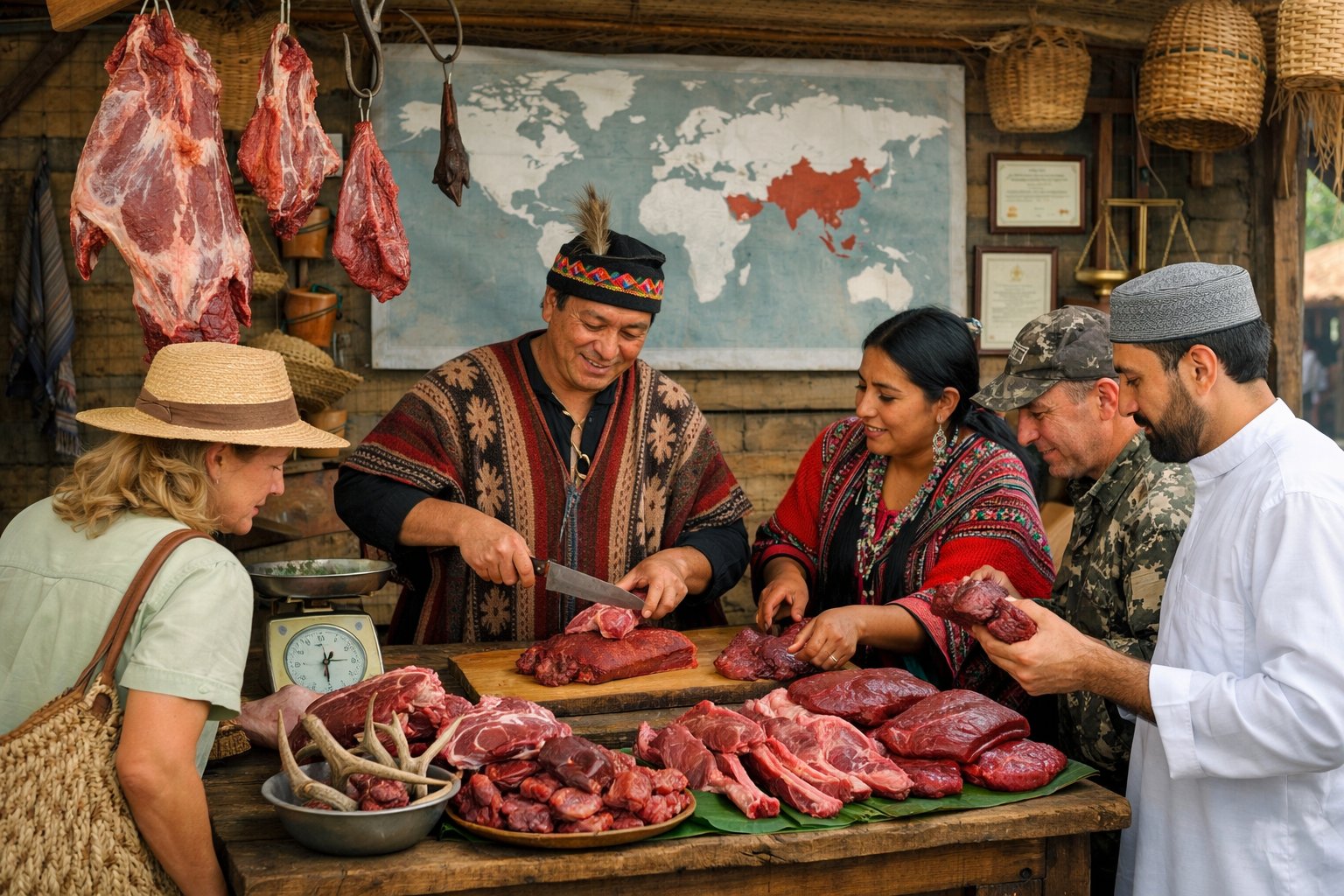
Culture, economics, and laws all shape how much deer meat people eat. Food traditions, prices, hunting rules, and outright bans can change who eats venison and how it gets to your plate.
Game Meat Traditions and Local Cuisine
In plenty of countries, venison fits right into old-school game meat traditions. In Germany and France, chefs make stews, sausages, and roasts with venison at seasonal festivals.
Some regions in Japan serve venison in hot pots, and local markets treat it as a specialty. These traditions keep demand steady, even if overall meat consumption changes.
Cultural taboos matter too. In mostly Muslim countries, pork is rare, so red meats like venison might seem more acceptable.
In other places, people just aren’t used to venison, so you won’t find it in the supermarket. Marketing and training can help build acceptance where traditions are thin.
Economics of Venison Trade and Supply
Venison markets rise and fall with supply chains and what people can afford. Wealthier countries often pay more for specialty meats, so venison turns up as a premium product.
Low supply means higher prices, so you’ll see venison in upscale restaurants more than in everyday kitchens. Local meat consumption habits also affect what shops decide to stock.
Both hunting and farming feed the venison market. Wild-harvested venison has unpredictable supply and stricter health checks, while farmed deer bring steadier volumes.
Export rules, processing facilities, and slaughter capacity decide if venison makes it to supermarkets or stays local. Research shows these factors shape trade and prices.
Deer Hunting and Sustainability
Deer hunting connects food, wildlife control, and conservation. When deer populations get too large, hunting helps reduce crop damage and protect native plants.
Well-managed hunting programs set quotas and monitor herds to keep things healthy. If hunting follows science and transparent reporting, you benefit—and so does the ecosystem.
Sustainability depends on demand, too. Some studies suggest eating more venison could replace livestock meat and lower greenhouse gas emissions.
But if hunting isn’t managed well, overharvest can damage ecosystems. The best approach uses harvest limits, traceability, and habitat management to keep deer populations in balance.
Bans and Restrictions on Deer Meat
Laws sometimes block or limit venison in certain places. For instance, India bans specific wild meat trade and enforces strict protections for wildlife.
These rules basically keep most deer meat out of public markets. Other countries put limits on venison imports by using disease controls or demanding certified processing plants before allowing meat into stores.
Governments also set hunting seasons and tag quotas. They might add sanitary standards for selling meat.
If your country requires tough food-safety inspections, you’ll probably see fewer informal venison sales. Still, people tend to trust the meat more.
It’s smart to check your local rules before you buy or sell venison. Legal status, public health rules, and trade requirements can change a lot depending on where you are.
- Useful policy areas to watch:
- Hunting seasons and tag systems
- Sanitary and slaughterhouse certification
- Wild-meat trade prohibitions and wildlife protection laws
- Import/export disease controls
Curious about how deer shape local food systems and economies? You might want to look at research on axis deer impacts in Maui County. There are also studies showing how changes in venison consumption can affect livestock demand.


