
You might think deer sleep like people—long, deep stretches through the night—but honestly, they don’t. Deer only catch a few hours of sleep a day, usually broken up into short naps that total about 3–6 hours, and even then, they stay pretty alert while resting. Their sleep habits are all about survival, not comfort, which makes sense when you think about it.
Let’s look at why deer chop their sleep into tiny pieces, where they actually bed down, and how things like daylight, predators, and the seasons mess with their sleep. There’s more to these short naps than you might guess, and deer go out of their way to stay safe while catching some rest.
How Long Do Deer Sleep?
Deer don’t really settle in for a long sleep. Instead, they rest in quick bursts and keep their senses sharp. So, how much do they actually sleep? It depends on things like predators, weather, and even the breeding season.
Deer Sleep Duration and Patterns
Most adult deer get somewhere between 30 minutes and about 4–5 hours of sleep in a day, depending on how safe they feel and what time of year it is. They don’t get this all at once; instead, they take lots of short naps that add up over 24 hours.
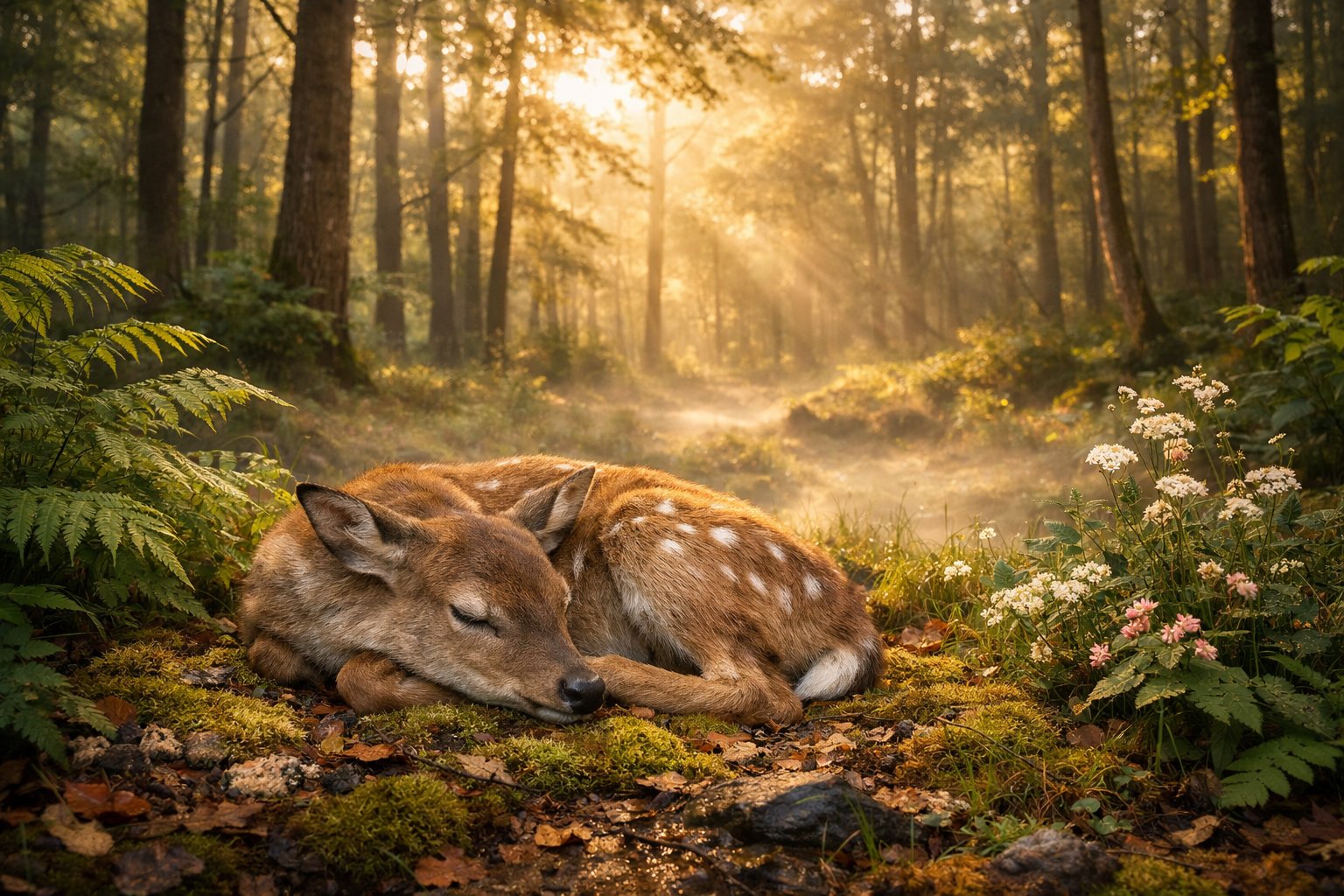
You might spot a deer bedding down for just a few minutes before it stands up and wanders off, only to come back later to the same spot. Fawns, on the other hand, sleep more than adults and often curl up for longer stretches while their mom is off grazing.
Deer only get about 20–40 minutes of REM sleep each day, and even that’s split into tiny bits. If you see a deer snoozing in your yard, it probably feels pretty safe there.
Fragmented and Polyphasic Sleep Explained
Deer use what’s called a polyphasic sleep pattern, meaning they sleep several times throughout the day and night. Each nap might last just 30 seconds or stretch to a few minutes, but if they feel safe, they’ll rest a bit longer.
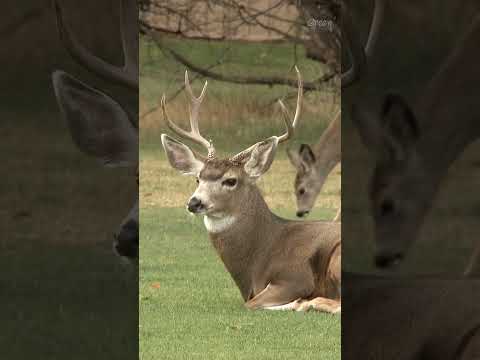
This broken-up sleep style helps them avoid predators because they can wake up and run in a flash. Their brains flip between light, alert dozing and quick dips into deeper sleep. It’s common to see deer resting with their heads up or eyes half-open, always keeping tabs on what’s going on around them.
Factors Affecting Sleep Length in Deer
Predators really cut into a deer’s sleep. In places where there’s a lot of danger—whether from animals or people—deer take shorter, more frequent naps and sleep less overall.
If they find a safe spot with good cover and food, they’ll sleep a bit longer and stay put. The season and whether it’s breeding time also play a big part.
During the rut, bucks barely sleep because they’re so busy looking for mates. In winter, deer might bed down longer to save energy, but they don’t hibernate. Fawns definitely sleep more, while older deer have to juggle feeding and staying alert.
How Deer Sleep and Where They Rest

When deer rest, they do it in quick, alert bursts. They pick spots where they can hide but also escape fast if they need to.
Common Sleep Behaviors and Postures
Usually, deer lie down with their chest on the ground and legs tucked under—a pose called sternal recumbency. This way, they can jump up quickly and stay warm if it’s cold.
While lying down, they switch between light dozing and quick dips into deeper sleep. You’ll often catch them chewing cud during these rest breaks since they digest and rest at the same time.
Even with their eyes closed or half-shut, their ears keep swiveling to catch sounds. Deer don’t sleep deeply for long; they just can’t risk it. If they feel safe, they’ll rest a bit longer, but if there’s danger nearby, their naps get even shorter.
Do Deer Sleep Standing Up or With Eyes Open?
Deer don’t really sleep standing up like horses do. Sometimes they rest on their feet if they need to move quickly, but real sleep happens when they’re lying down.
It’s pretty common to see a deer with its eyes half-open, but that’s more of a light doze than actual sleep. Their hearing and sense of smell stay active, so even if their eyes are closed, they wake up fast. REM sleep and dreaming? Rare and short for deer. Deep sleep only happens when they feel truly safe.
When and Where Do Deer Sleep?
Deer are most active at dawn and dusk. They usually rest in short naps during midday and at night.
Your local white-tailed or mule deer will nap when they’re not feeding or dodging predators. Weather and season can change how long they rest—cold or wet days mean they don’t want to stay exposed for long.
They choose bedding spots with good cover, like tall grass, brush, or downed trees. Elevated areas or ridgelines give them a view and a quick escape path.
Wind direction matters too—deer bed facing downwind so they can smell what’s coming. Moose pick heavier cover or open muskeg in cold places, while whitetails stick to thick brush near the edges.
Group Sleep and Species Differences
Some deer like to sleep alone. Others bed down in small groups.
Does with fawns usually stick close together for protection. Bucks, on the other hand, might bed alone—especially during the rut.
Group bedding means more eyes and ears on alert. You’ll often notice staggered rest: one deer keeps watch while the others nap.
Different species handle things their own way. White-tailed deer often pick dense brush or edge habitat.
Mule deer seem to prefer open slopes or ridge tops, probably for the better view. Moose rest in wetter spots with fewer predators around.
Moose sometimes take longer breaks between quick naps. Your observations will shift with the habitat, the season, and how much predator pressure is out there.


