
You’ll spot roe deer more often than any other species across Britain. They live in woodlands, hedgerows, and sometimes even close to towns. Their small size and quick movements make them surprisingly easy to miss—unless you know what to look for.
The roe deer is the most common deer in the UK.
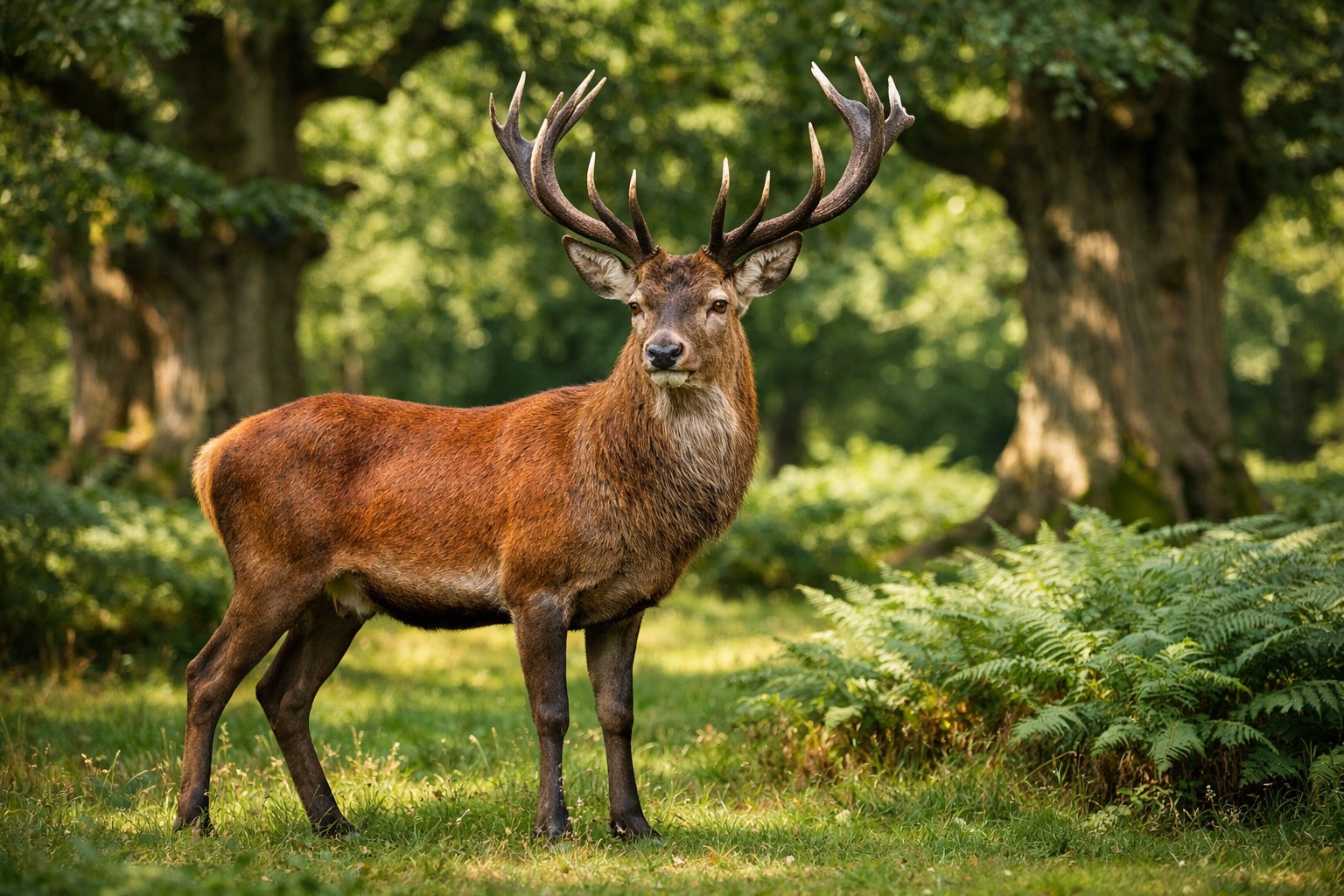
If you’re curious why roe deer dominate the countryside, let’s break down how to spot them, where they hang out, and what sets them apart from red, fallow, sika, muntjac, and water deer.
You’ll pick up some handy ID tips, learn about their favourite habitats, and get a sense of what rising deer numbers mean for nature and farming.
Roe Deer: The Most Common Deer in the UK

Roe deer are small, quick, and pretty much everywhere across much of Britain. You’ll spot them more in wood edges, hedgerows, and farmland than out in open moorland.
Key Identification Features
Look for a compact body—about 60–75 cm at the shoulder, weighing 15–35 kg. In summer, their coat is a reddish-brown, but it shifts to grey-brown in winter.
You’ll notice a pale, creamy rump patch and a short, nearly invisible tail. Males (bucks) have short, upright antlers with usually three points.
You might see bucks without antlers in winter after they shed them. Females (does) don’t grow antlers and usually have a slimmer head and neck.
Watch for small, heart-shaped droppings, neat tracks about 4–5 cm wide, and nibbled shoots on young trees and shrubs.
Distribution and Habitat
Roe deer (Capreolus capreolus) live across mainland Scotland, much of England, and large parts of southern and eastern England. They’re spreading into Wales, but you won’t find them on most of the Isle of Wight or many Scottish islands.
You’ll find them in mixed woodland, field margins, hedgerows, and scrub. They like dense cover for shelter and want open patches nearby for feeding.
Small woodlands and new forestry plantings give them more places to thrive.
Population Trends and Conservation
Since the 1960s, roe deer numbers have climbed as woodlands increased and hunting methods changed. People now class them as Least Concern in the UK.
Local populations can vary a lot. You might see healthy groups in lowlands, while upland areas have fewer animals.
Wildlife managers monitor numbers and sometimes control local populations to reduce crop damage. Protected status rules change by region.
If you live near woodlands, you’ll probably notice more deer activity at dawn and dusk, plus the odd bit of damage to young trees.
Impact on Woodland and Farmland
Roe deer shape local ecosystems by browsing young trees, shrubs, and ground plants. You might spot damage to tree saplings, hedgerows, and the woodland understorey, which can affect natural regrowth and bird nesting spots.
On farmland, deer cause patchy crop losses and sometimes damage horticulture and forestry plantings. Land managers use deer fencing, tree guards, and controlled culling to protect crops and young woodlands.
If you manage land, you’ll want to consider deer-resistant planting and regular checks to avoid long-term losses.
For more detail on their range and status, the Game & Wildlife Conservation Trust and the British Deer Society have some good resources.
British Deer Species: Types of Deer in the UK
Britain has six wild deer species, but only a few really dominate the landscape. You’ll most likely spot them near woods, fields, or hedgerows.
Each species has its own size, coat, and preferred habitat, which makes them easier to tell apart.
Red Deer
Red deer (Cervus elaphus) are the largest native species you’ll meet in the UK. Males—called stags—grow wide, branching antlers and can weigh up to 200 kg in wild populations.
They like open moor, upland heather, and big native woodlands. You’ll often see them in the Scottish Highlands and some parts of southwest England.
In autumn, red deer rut. Stags roar and clash antlers to win over hinds (females).
Hinds give birth to a single calf in spring. If you want detailed range maps or conservation info, the British Deer Society keeps up-to-date records for red deer across the UK (see British Deer Society).
Fallow Deer
Fallow deer (Dama dama) are medium-sized and often have a spotted summer coat with a paler rump patch. Bucks grow broad, flattened antlers that look palmated.
You’ll find fallow deer across England and Wales in mature broadleaf woodland, parkland, and open agricultural land. They prefer mixed habitats with trees and clearings.
People probably introduced fallow deer to Britain long ago. They now form stable populations in managed parkland and reserves.
Their adaptable diet includes grass, buds, and crops, so you might see them at field edges and hedgerows near farms.
Sika Deer
Sika deer (Cervus nippon) are similar in size to fallow but can look darker and sometimes keep their spots as adults. They’ve spread steadily across Scotland and parts of England.
Now, sika are one of the faster-expanding species in Britain. They prefer coniferous woodlands, heathland, and acidic soils.
You’ll spot them in dense cover or on moor edges. Sika can hybridise with red deer where their ranges overlap, which has some conservation groups worried about genetic mixing and population changes.
Muntjac and Chinese Water Deer
Reeves’ muntjac (Muntiacus reevesi) and Chinese water deer (Hydropotes inermis) are the smaller, more secretive deer you might spot at the edge of woodlands or in low, tangled scrub.
Muntjac are those little barking deer with short antlers. People helped them spread, so now they turn up all over south and central England.
They munch on shoots, flowers, and even your garden plants. You’ll often find them near hedgerows and in broadleaf woods.
Chinese water deer don’t have antlers, but those upper canine tusks really stand out. Their main hangouts in the UK are the Midlands and East Anglia.
You’ll usually see them near reedbeds or along riverbanks. Both species start breeding early in the year.
It’s not unusual to come across them in suburban woods, sometimes surprisingly close to towns.


