
You might think the answer’s obvious, but honestly, it depends on the species and size. Most folks call a female deer a doe, but for bigger species, you’ll sometimes hear hind or cow instead. That’s the quick answer if you’re in a hurry.
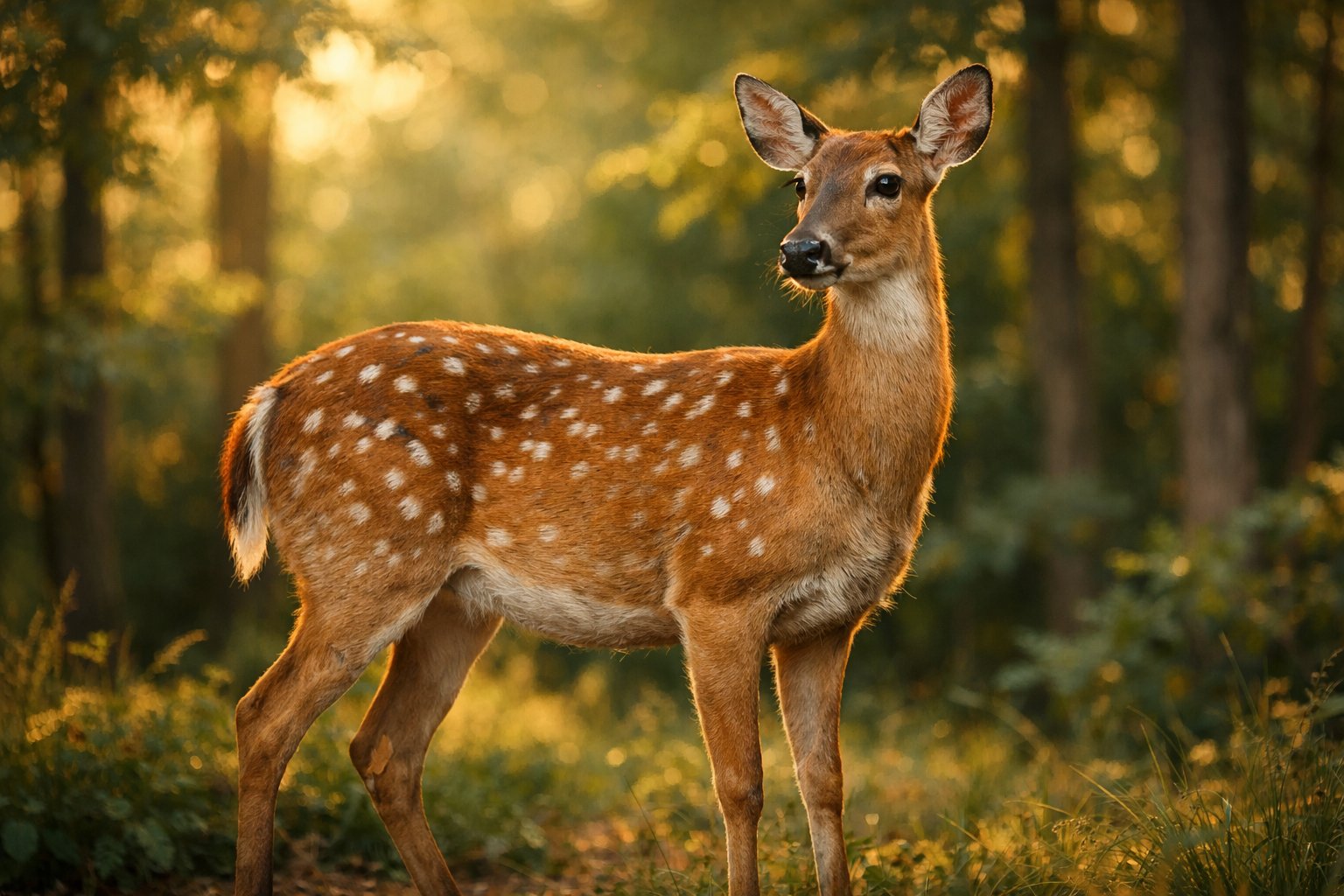
Different deer get different names, and those names can hint at their size, age, or even where they live. Want to know which is which? Let’s dig into a few clear examples and some easy tips, so you’ll always pick the right word.
Names for Female Deer: Doe, Hind, and Cow
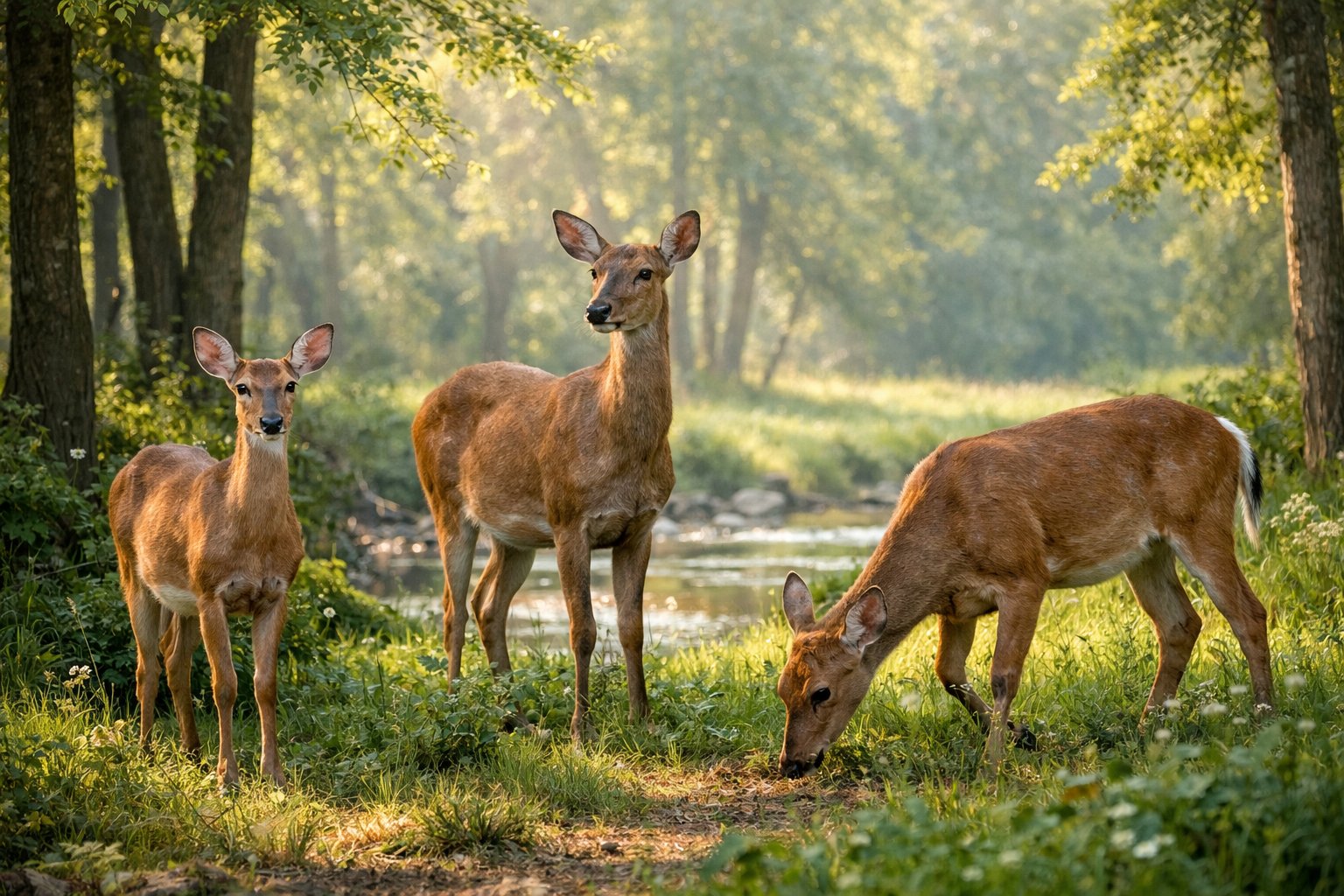
Female deer names shift depending on species, size, and even the region. It’s not as straightforward as you’d expect, but you’ll get the hang of it.
Doe: The Most Common Female Deer Name
Most people call an adult female deer a doe. Use “doe” for white-tailed deer, mule deer, fallow deer, roe deer, and most small or medium deer.
If you spot a quick-footed deer in the woods or even your neighborhood, it’s probably safe to call her a doe.
Does almost never have antlers. They usually raise one or two fawns each year and can be fiercely protective near their young.
Hunters, wildlife fans, and field guides all use “doe” because it’s short and everyone gets it.
If you’re jotting down notes or labeling photos, “doe” works great unless you know for sure you’re looking at a species that uses another name.
When to Use Hind for Female Deer
People use “hind” mostly for bigger species, especially red deer and sika deer. A hind means a mature female, usually over two years old.
If you’re lucky enough to watch red deer in Europe or Asia, calling a female a “hind” shows you know your stuff.
A hind matches with the male term “stag.” When you’re describing red deer groups or their autumn rut, saying “hind” is the right move.
Wildlife biologists and field guides like it for clarity, especially when species matter.
If you’re not sure about the deer’s age or species, “doe” is usually safe—unless you spot a red or sika deer, then “hind” is the better fit.
What Does Cow Mean in Deer Terminology
“Cow” is the word for females of the biggest deer: elk (wapiti), moose, and caribou (reindeer). If you’re talking about a female elk in North America, a moose in the boreal forest, or a caribou in the Arctic, call her a cow.
For these, the male is a “bull.” Using “cow” lets people know you mean one of the big guys—no confusion with smaller deer.
Caribou cows can even sprout antlers, which is pretty wild, so “cow” sometimes hints at cool biological quirks.
When you’re writing for hunters or nature lovers about large deer, “cow” makes it clear you’re not talking about a little doe.
Relevant reading: female deer names and differences in usage for doe, hind, and cow (https://worlddeer.org/what-is-a-female-deer-called/).
Species-Specific Female Deer Names and Traits

Female deer names depend on the species and their size. Smaller and medium deer usually get called “doe,” while bigger types get “hind” or “cow.” A few species even have females with antlers—how cool is that?
White-Tailed Deer, Mule Deer, and Fallow Deer
These common North American and European deer all use “doe” for their adult females.
White-tailed does (Odocoileus virginianus) weigh anywhere from 90 to 310 pounds. They usually raise one or two fawns each year.
They don’t have antlers and rely on their camouflage or quick running to keep their babies safe.
Mule deer does (Odocoileus hemionus) live mostly out west in North America. They’ve got those huge ears and can weigh 70 to 175 pounds.
Mule deer females often stick together in small family groups and head for steep ground when danger’s nearby.
Fallow deer females are does, too. Fallow deer come in all sorts of coat colors and might even keep their spots as adults.
These does like mixed woodlands and open fields, and they browse on grasses and shrubs.
Red Deer and Sika Deer
For bigger Eurasian deer, people use “hind” for adult females.
Red deer hinds (Cervus elaphus) are bigger than most does, weighing around 290 to 500 pounds depending on where they live.
Hinds give birth to a single calf and form matriarchal groups that protect feeding spots and their young.
They don’t grow antlers.
Sika deer hinds are smaller than red deer, but the name still fits. Sika live in East Asian woodlands and reed beds, plus places where people have introduced them.
They’re pretty vocal during the rut and stick to the same spots for fawning.
Elk, Moose, Reindeer, and Caribou
The really big deer use “cow” for females, especially when the males are called bulls.
Elk or wapiti cows (Cervus canadensis) live in herds. Cows can weigh 500 to 700 pounds, sometimes even more.
They give birth once a year and help keep the herd safe.
Moose cows (Alces alces) are some of the biggest deer out there. They usually have one or two calves and feed on aquatic plants and twigs.
Reindeer and caribou cows (Rangifer tarandus) stand out because females often grow antlers, which helps pregnant cows compete for food in winter.
Both “reindeer” and “caribou” mean the same species, just in different places.
Other Notable Deer Species
Some deer species are smaller or just plain unusual, but folks still call the females “doe.” Each kind has its own quirks worth knowing.
Roe deer (Capreolus capreolus) females go by does or sometimes “roe does.” They’re much lighter than red deer. You’ll mostly spot them along the edges of forests in Europe.
Chinese water deer and muntjac females also get called does. Muntjac does stay small and can be surprisingly vocal. Water deer, on the other hand, have those odd tusk-like teeth instead of antlers.
Spotted deer—chital—does stick together in family groups in South Asian forests. Their coats keep that spotted look even as adults, which is pretty striking.
Black-tailed deer, which are related to mule deer and live along the Pacific coast, use “doe” for the females too. They tend to hide out in thick brush.
Across the deer family, the word for the female often gives away something about the animal. Smaller or medium-sized species? People say “doe.” If it’s a big one, you’ll hear “hind” or “cow” instead.


