
Let’s dive into ten real facts about deer—stuff that’ll help you get how they live, grow those wild antlers, and pull off some impressive survival moves. Deer can smell, see, and run in ways that help them dodge danger, and their antlers? Fastest-growing tissue in the animal kingdom. That alone explains a lot about how they act.
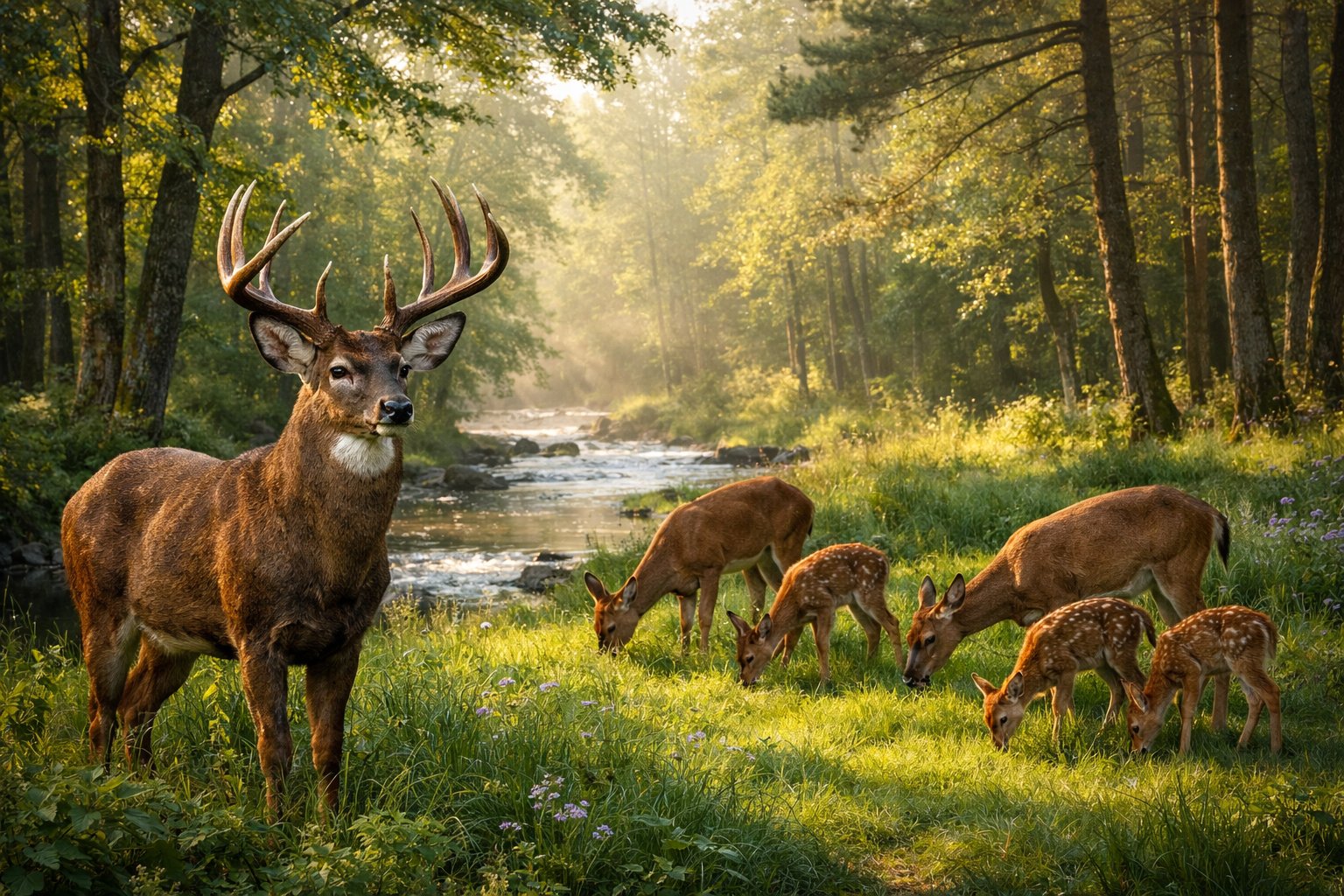
You’ll find simple, useful details here about deer biology, behavior, and a few surprises most folks never notice. Up next: practical facts about their senses and antlers, plus some quirky or rare traits that make deer way more interesting than you’d expect.
10 Essential Facts About Deer
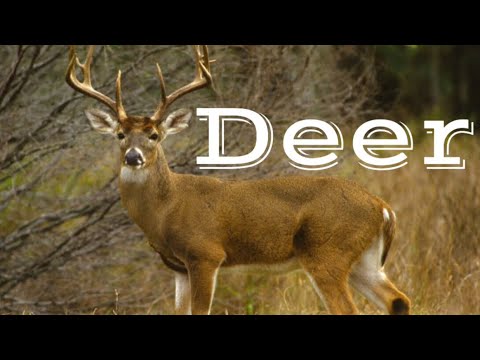
Deer pack a mix of physical features, behaviors, and survival tricks you can spot if you’re paying attention. You’ll read about antlers, species differences, what they eat, their senses, fawns, movement, communication, and other cool adaptations.
Deer Antlers: Growth and Shedding
Antlers start growing from pedicles on the skull, and they’re made of bone. Most of the time, only males (bucks) grow those big, branching antlers every year.
Antlers grow in spring and summer, driven by hormones. While they develop, a soft, fuzzy skin called velvet covers them.
By late summer or fall, the velvet dries up and peels away, leaving hard bone. Bucks use these in fights and displays during the rut.
After breeding season, testosterone drops and bucks lose their antlers. You might spot shed antlers on the ground—rodents and scavengers often chew them for calcium.
There are a few exceptions. For example, reindeer (caribou) females also grow antlers.
Diversity of Deer Species Around the World
About 40 species make up the deer family, Cervidae, and they’re spread out across most continents. You’ll find tiny deer like the South American pudú and giants like the moose, which lives in Canada, Alaska, and parts of the northern U.S.
Some deer, like moose, prefer to be alone. Others, like elk and red deer, hang out in big herds.
A bunch of species face tough times—habitat loss and hunting have knocked down their numbers. Meanwhile, white-tailed deer have actually thrived near humans.
You’ll spot lots of differences in size, antler shape, and behavior depending on where you look.
White-Tailed Deer and Other Iconic Species
The white-tailed deer is North America’s most common deer, and it adapts to forests, fields, and even suburbs. You can spot it by the white underside of its tail, which it flashes when it gets spooked.
Bucks grow antlers for the rut, while does raise fawns by themselves. Other famous species include elk (sometimes called wapiti), Europe’s red deer, caribou (reindeer) that migrate huge distances, and the moose, which likes wetlands and boreal forests.
Some have odd features: water deer and musk deer don’t have antlers at all—they’ve got long canine teeth instead.
Deer Communication and Scent Marking
Deer use scent, body language, and sounds to talk to each other. You’ll see spots where bucks rub their antlers and chests on trees, leaving scent from special glands.
These marks show dominance and mark territory during the rut. Does use scent to guide their fawns and to signal when they’re ready to mate.
Deer give off alarm signals, too—tail-flagging, stomping, and snorting warn others. Chemical cues in urine and gland secretions tell other deer about age, sex, and breeding status.
Scent is a big deal for mate choice and keeping social order.
Herbivorous Diet and Four-Chambered Stomach
Deer are ruminants, so they’ve got a four-chambered stomach that helps them break down tough plants. You’ll catch them munching on leaves, twigs, grass, buds, and sometimes farm crops.
Their diet shifts with the seasons: buds and woody stuff in winter, fresh greens in spring.
Deer chew and ferment their food slowly to get every bit of nutrition from low-quality forage. Sometimes, they’ll lick salt or chew on bones if they need minerals like calcium or phosphorus.
Rarely, deer have been seen scavenging or eating tiny animals, but that’s not their usual thing.
Fawns: Spotted Camouflage and Survival
Fawns come with white spots that help them blend into grass and leaves. Right after birth, a fawn lies perfectly still and quiet while its mom heads off to feed, coming back now and then to nurse.
This hiding trick keeps most predators from finding them. If you see a fawn alone, don’t touch or move it—the mother almost always returns.
Fawns start walking and following their mom within days. They lose most of their spots after a few months.
Predators, weather, and habitat quality all affect how many fawns make it.
Speed, Jumping, and Athletic Abilities
Deer are quick, agile, and can jump like you wouldn’t believe. A lot of species can sprint up to 30–45 mph for short bursts to get away from danger.
They can leap fences and obstacles—an average deer can jump several feet high and far, so regular farm fences usually don’t stop them.
Their light legs and bendy spines let them change direction fast. Some deer, like moose and white-tails, are also strong swimmers when they need to cross water.
These athletic skills help them survive in all sorts of places and avoid predators.
Excellent Senses: Smell, Sight, and Hearing
Deer depend on smell and hearing more than sharp vision during the day. Their noses pick up faint scents from predators, food, or other deer.
You’ll see them swivel their ears toward sounds—their movable ears help them pinpoint danger.
Their eyes sit on the sides of their heads, giving them wide peripheral vision. They see better in low light, which helps at dawn and dusk when they’re most active.
All these senses work together so deer can spot threats before you even notice them.
Unique Deer Adaptations, Like Tapetum Lucidum
Most deer have a tapetum lucidum, a shiny layer behind the retina that boosts night vision. This layer reflects light back through the retina, making their eyes glow in headlights at night.
Other cool tricks include changing coats with the seasons, hollow hair in some species for floating in water, and the antler cycle that matches up with breeding times.
Some deer even have special teeth or stomach tweaks to handle certain plants.
Social Behavior: Herds, Rut, and Parental Care
Social life for deer changes with the species and season. Sometimes you’ll see loose groups of females and young, other times big herds or bachelor groups of males.
During the rut, bucks get aggressive and fight with their antlers to win mating rights.
Does handle most of the parenting, nursing and protecting fawns alone. In some species, like red deer, one male gathers a harem of several females.
Migration, herd size, and social bonds shift depending on food, predators, and breeding cycles.
Rare and Surprising Deer Facts

Deer can surprise you. Some females grow antlers, a few species have fangs instead of antlers, and deer sometimes get tangled up with cars and people in the U.S. and Canada.
Reindeer: The Only Females With Antlers
Reindeer (or caribou, if you’re in North America) break the rules—both males and females grow antlers.
Females keep their antlers through autumn and sometimes all winter, using them to fight for food in deep snow and to protect themselves while pregnant.
Males grow bigger antlers for mating displays and usually shed them in late autumn after the rut. Females drop theirs later, often in spring after calves are born.
That timing helps females hold onto the best feeding spots through winter. If you spot antlered deer in winter up north, they might be female reindeer or caribou.
Fanged Deer: Musk and Water Deer
A handful of deer species don’t bother with antlers—they’ve got long canine teeth, or “fangs.”
Siberian musk deer and Chinese water deer are the most famous.
Water deer live in China and Korea and have lower canine tusks that males use in fights and to show off.
Males use these fangs much like other deer use antlers—to compete for mates and prove dominance. You won’t see antler racks on these guys, so the tusks are their main weapon.
Water deer have turned up in parts of Europe and the U.K., but in Asia you’ll find them in wetlands and river valleys. Musk deer are more solitary and stick to mountain forests.
Deer and Human Encounters in North America
People in the United States and Canada run into deer pretty often, especially on roads or when predators are around.
Every year, deer cause a surprising number of car crashes. Sometimes drivers swerve to dodge a deer and end up hitting something else—or worse, they might run off the road.
If you’re driving at dawn or dusk, it’s smart to slow down. High beams help too, as long as you won’t blind anyone coming the other way.
Coyotes and mountain lions go after fawns, and occasionally they’ll even hunt adult deer. Out west and up into Canada, mountain lions roam big stretches of land.
Coyotes are sneaky; they’ve learned to live in the suburbs. They can change when deer come out to feed, which means deer show up on roads at odd hours and make things riskier for drivers.
Living near the woods? You might want to lock up things like pet food, and a good fence can keep deer out of your garden. It helps you avoid those close run-ins, and honestly, it’s better for the deer too.
Relevant reading: learn more about uncommon deer traits at the Institute for Environmental Research’s rare deer facts.


