
Ever wondered if a deer would actually eat a rabbit? Deer do sometimes eat rabbits or other small animals, but honestly, it’s rare—and usually only happens when a deer stumbles on an easy carcass or craves extra nutrients. This isn’t normal hunting behavior. Deer are mainly plant-eaters, and they only turn to meat if the opportunity pops up.
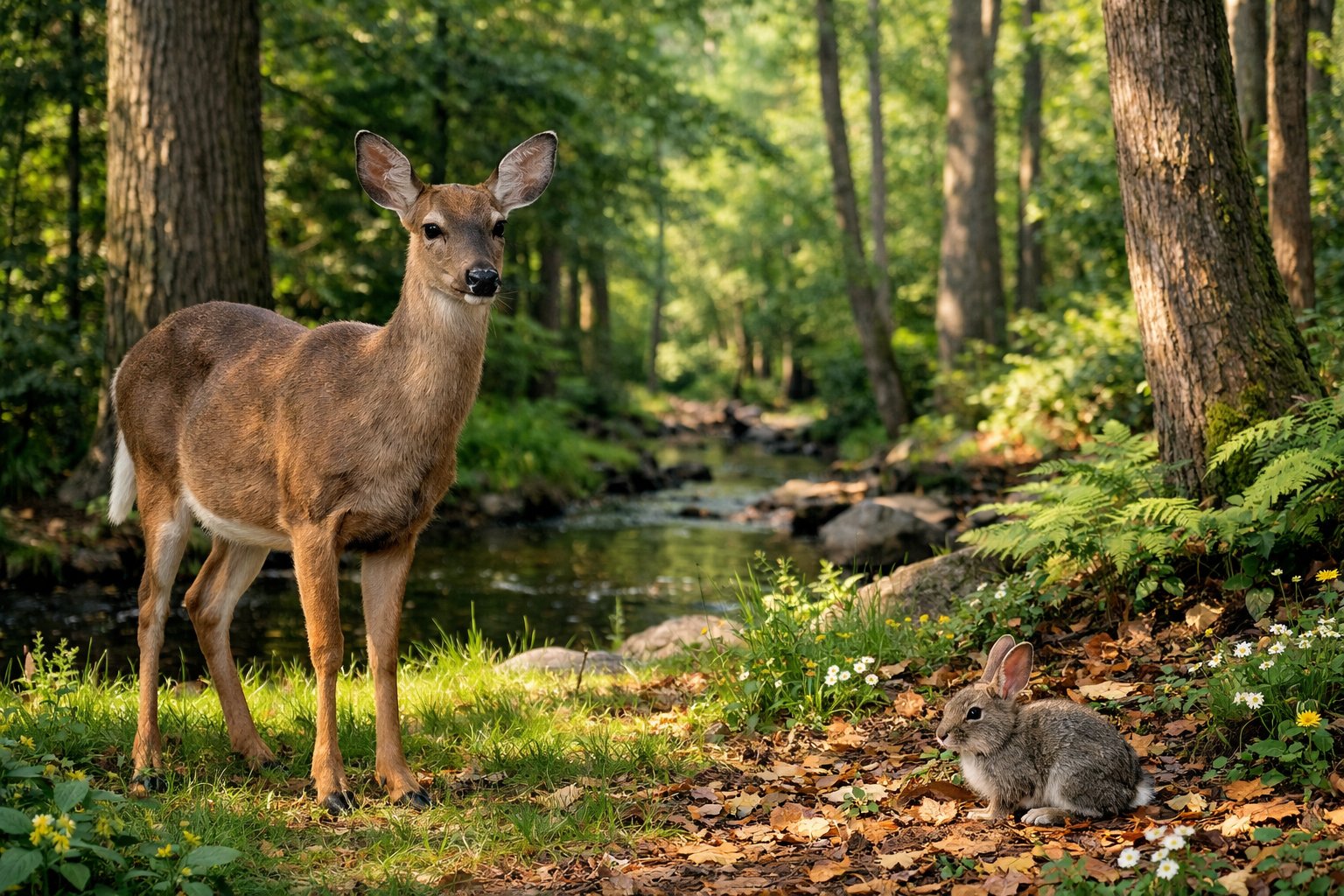
Let’s look at why deer might nibble on a rabbit, when it’s most likely, and what that really says about both deer and rabbit diets. There are some surprising observations and simple facts here that clear up the myth.
Will a Deer Eat a Rabbit? Myths, Facts, and Observations

Let’s see where real observations exist, why folks sometimes misread deer behavior, and what studies say about deer and rabbits. Check out the sections below for specific facts and a few examples.
Rare Instances of Deer Eating Rabbits
Spotting a deer munching on a rabbit is pretty uncommon. Most stories describe deer scavenging a rabbit carcass they happened upon—not actually hunting or killing one.
Some folks have snapped photos of white-tailed deer chewing on small animals or bird carcasses near feeders or roadkill. These moments usually just show opportunistic feeding. The deer grabs extra protein or minerals when it’s right there.
Antler growth can make bucks crave more nutrients, which might explain the odd nibble of meat. Still, you should see these sightings as rare and unusual, not something deer do all the time.
If you spot a deer with meat nearby, pay attention to the scene. Was the rabbit already dead? Did the deer look thin or sickly? Details like that help you figure out if it’s scavenging or something else.
Misinterpretations and Unusual Deer Behaviors
People often mistake curiosity or grooming for predation. Deer will sniff, paw, or mouth small animals when checking out nests or carcasses.
These actions might look like hunting, but the deer usually just want to inspect food or grab minerals from the soil or fur. Some reports mention deer taking bird hatchlings or trapped animals, but in those cases, the deer probably just took advantage of a handy food source.
Deer don’t have sharp canine teeth or the athletic build of true predators like foxes or bobcats. They almost never kill fast prey like rabbits. Human observation bias plays into this, too.
A single photo or video can spread fast and make the behavior seem common. Before you assume deer regularly eat rabbits, look for repeated behavior across seasons.
Scientific Evidence on Deer Predation of Rabbits
Scientists have shown that deer are mostly herbivores. Plant matter makes up nearly all of their diet.
Occasionally, case reports and camera traps catch them eating meat, but controlled studies don’t find much evidence of deer actively hunting rabbits. Researchers think rare meat-eating happens because of nutrient gaps, scavenging, or local conditions.
If you want more details, check out peer-reviewed reports about white-tailed deer scavenging and the rare carnivorous acts in herbivores. These studies make it clear—while deer can eat rabbits, it’s not a regular thing.
Understanding Deer and Rabbit Diets
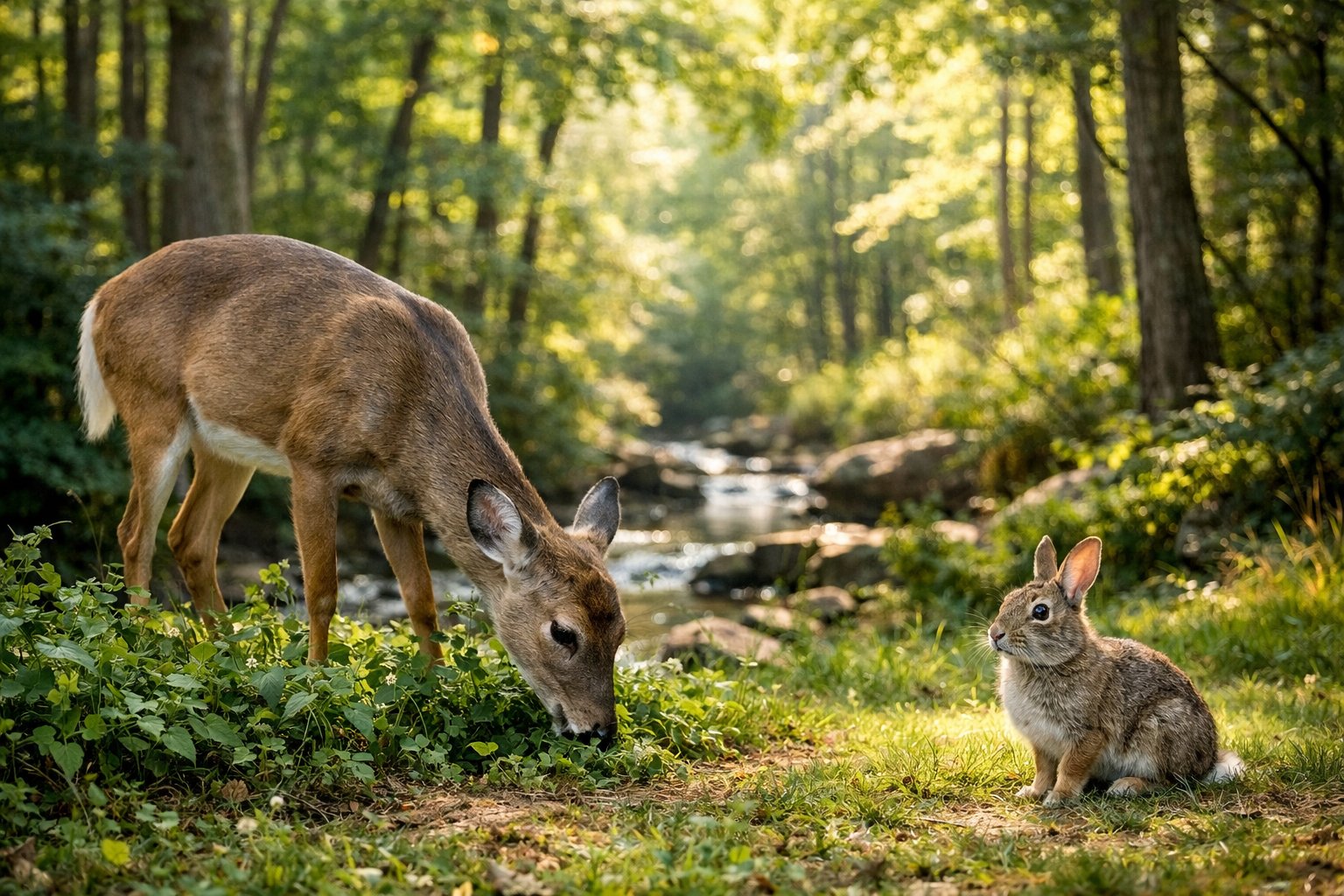
Deer mostly eat plants and search for minerals. Rabbits eat plants, too, but in their own way.
Here’s what each animal prefers, how their guts work, and why deer sometimes lick dirt or chew weird stuff.
Typical Diet of Deer
Deer are herbivores and browsers. You’ll spot them nibbling leaves, twigs, buds, and fruits.
In spring and summer, they go for tender shoots, forbs, and even garden plants like hosta. When fall and winter roll in, deer browse woody plants—sumac, rose canes, young tree bark.
What deer eat shifts with the seasons and their needs. Males need extra protein and calcium when growing antlers, so they’ll seek out richer food.
If you have fruit trees or tasty plants like lavender or yucca, you might want to use tree guards or fencing. Deer love high-calorie snacks.
Digestive System Differences
Deer are ruminants, so they’ve got a multi-chambered stomach. This setup lets them break down tough cellulose from leaves and stems by fermenting it.
Their digestion pulls nutrients from rough forage over time. Rabbits, on the other hand, use a single-chamber hindgut and practice cecotrophy—they eat soft fecal pellets to re-digest nutrients.
That makes rabbits pretty efficient at getting vitamins from grasses and clover. Thanks to these systems, deer can handle woody browse that rabbits can’t digest.
Dietary Habits of Rabbits
Rabbits are herbivores, too, but they focus on grasses, leafy greens, and bark from smaller plants. You’ll see them grazing on lawns and nibbling soft stems in the garden.
They like low, tender vegetation and will strip bark from young trees if food is short. Rabbits need a steady supply of fibrous stuff for their teeth and digestion.
They won’t eat big branches, lots of fruit, or the high-fat treats deer sometimes want. If you’re growing seedlings or have raised beds, you’ll probably want to protect them from hungry rabbits.
Nutritional Needs and Mineral Seeking Behaviors
Both animals crave minerals like calcium and phosphorus, but they find them in different ways.
Deer often head to mineral licks, bones, or salt when they need a boost—especially while growing antlers. When plants don’t offer enough minerals, deer might nibble on some odd things just to fill the gap.
Rabbits, on the other hand, get most of their minerals by munching on a mix of plants and picking out the greens that pack the most nutrients. You’ll almost never see them digging for soil or chewing on carrion.
If you’re worried about your garden, try mixing in mineral-rich soil amendments. Setting up some barriers helps keep both deer and rabbits from snacking on your plants.


