
If you’re hoping to spot deer, you’ll have the best luck when the light’s low. Deer get moving most at dawn and dusk, so if you want to catch a glimpse—or just avoid them on the road—those twilight hours matter. This quick answer sets the tone for the rest of the article, which digs into how you can use timing and other clues to predict where deer will be.
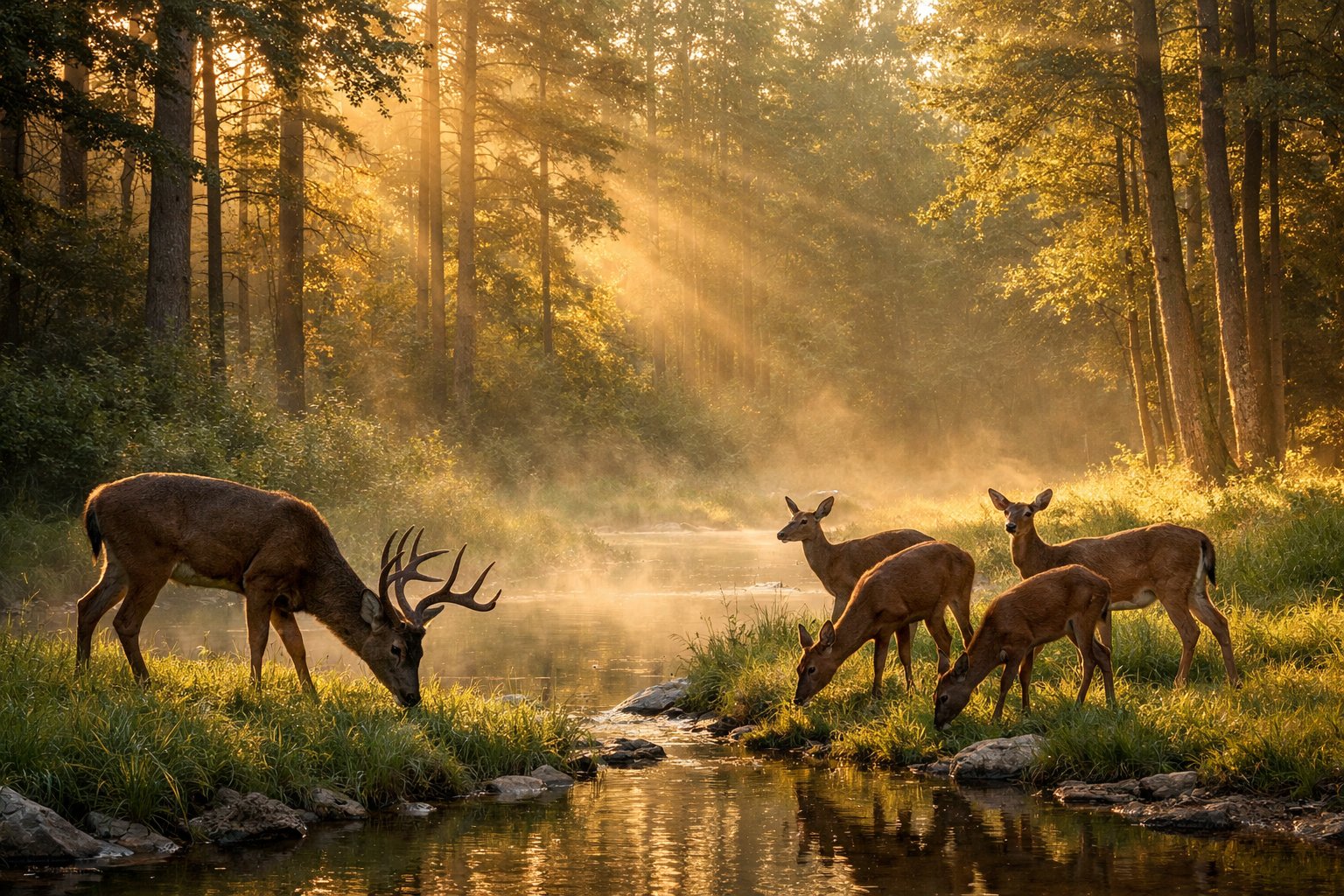
You’ll find out why deer stick to those dawn-and-dusk routines. Seasons and weather shake things up, and there are some easy ways to spot or avoid them around your place. Keep reading if you want to line up your plans with deer behavior and actually see a difference out there.
Peak Times of Deer Activity

Deer tend to move the most when it’s dim out. Their feeding and travel patterns follow changes in temperature, food, and breeding. If you pay attention to these patterns, you can plan wildlife watching, hunting, or just avoid surprises on the road.
Dawn Activity Patterns
You’ll notice deer start moving about 30 to 90 minutes before sunrise. Bucks and does leave their thick bedding cover and head to feeding spots, often using the same trails every morning.
The light’s still pretty dim, but deer can see well enough to feed and stay hidden from predators. Watch the wind and temperature at dawn. Deer love calm, cool mornings and avoid open areas if the wind carries any human scent.
Look for tracks and fresh droppings near field edges and water. These clues show where deer fed overnight.
Dawn activity really ramps up in spring and fall. During the rut, bucks get moving even earlier and travel farther, searching for does.
In spots with lots of hunting, deer might wait longer after sunrise or stick to darker hours.
Dusk Activity and Feeding
About 30 to 90 minutes before sunset, deer get active again. Dusk is usually their most reliable feeding time as they leave bedding spots for a night of foraging.
You’ll spot them in fields, orchards, and along the edges of woods, munching on browse, crops, or acorns. Twilight gives deer cover to move around while they look for the best food.
If you watch from a quiet, hidden spot, you’ll see them using well-worn trails and feeding hotspots. Sometimes the moon phase shifts how much movement you’ll see after dark.
Hunters often count on dusk for better odds since deer focus on food then. But in areas with lots of pressure, deer might switch to moving after dark, so it’s worth checking local habits before heading out.
Midday and Nighttime Behavior
There’s not much movement in the middle of the day. Deer usually bed down in thick cover to rest and chew their cud during the brightest, hottest hours.
You’ll find bedding spots in dense thickets, ravines, or stands of conifers that block wind and sight. Nighttime movement depends on weather and how much people disturb them.
On cool, clear nights—especially when the moon’s full—deer might browse more. When it’s hot, they’ll shift activity to the night to dodge the heat.
If hunters are everywhere, deer often become more nocturnal. You can track changes with trail cameras or by checking for fresh signs at different times. That helps you figure out if deer are sticking to dawn and dusk or moving more at night or even during the day.
Key Factors Influencing Deer Activity

Deer move around to find food, dodge danger, and take care of their young. Time of day, people nearby, the weather, and breeding cycles all change when and where you’ll see them.
Hunting Pressure and Human Impact
Hunting pressure changes how deer act pretty fast. When hunters show up, deer often start moving at night to avoid people.
You’ll notice deer sticking to thicker cover and using steep escape routes during the day if hunters are out. If you hunt or just walk near trails, don’t expect to see deer out in open fields at dawn or dusk.
They’ll use woodland edges, thick fencerows, and brushy paths more at night. If you want to see more deer in daylight, use quiet entry and exit routes, keep your scent down, and stay off obvious trails.
Human development messes with deer habitat too. Roads, lights, and pets push deer into smaller, hidden spots.
On the edges of suburbs, deer sometimes turn more nocturnal to avoid people, but still show up to snack on garden plants.
Seasonal and Environmental Changes
The seasons shape deer movement through food and cover. In spring and summer, fawns and fresh forage keep deer close to thick cover and water.
You’ll see more midday bedding then, especially in cool, shady woods. Fall brings new food sources and cooler weather.
Deer move more during the day near farm fields and edges as crops ripen. Winter forces deer to save energy.
They use south-facing slopes and dense conifers to stay warm. On sunny days, they might feed a bit more in the open at midday.
Weather matters too. Hot, sticky days push deer into shade and nighttime feeding.
After a light rain, you might catch more deer at dawn or dusk. Big storms and extreme cold slow them down for a while.
The Rut and Fawning Season
The rut, or breeding season, really shakes up deer routines. Bucks start traveling farther and at odd times.
You might see bucks out during the day, chasing does or sparring at scrapes and rubs near the woods. The rut brings a spike in movement for a few weeks in autumn.
Bucks act bolder and show up more near food and travel corridors. Does also change their habits as they look for mates and safe bedding.
In late spring, fawning season makes does stick close to thick cover to protect their young. You’ll spot does feeding in short bursts and heading back to hidden spots often.
That means more daytime activity at the edges of dense brush while fawns are tiny and need extra care.
Moon Phase and Weather Influence
Moonlight shapes when deer move at night. On bright, full-moon nights, deer usually feed more after dark and wander less during the day.
When the moon is new, deer often become more active around dawn and dusk. They seem to prefer those dim-light hours instead of the bright ones.
Weather definitely stirs things up too. When the barometric pressure drops or a gentle rain starts, deer might feed more before a storm hits.
But if strong winds or heavy rain roll in, deer tend to hunker down and stay hidden. I’d suggest keeping an eye on the weather and moon phase if you want to catch them at their busiest.
If you want to dig deeper into how twilight and the environment affect deer movement, check out this detailed guide on deer peak times: deer peak times.


