
Ever wondered which animals actually scare deer? It matters more than you might think, especially if you walk, garden, or drive in deer country.
Deer live as prey animals, so they fear anything that can harm them or their young—wolves, mountain lions, coyotes, bears, bobcats, and even loose dogs. And honestly, humans top that list. Our presence and actions make deer change their routines or bolt in a panic.
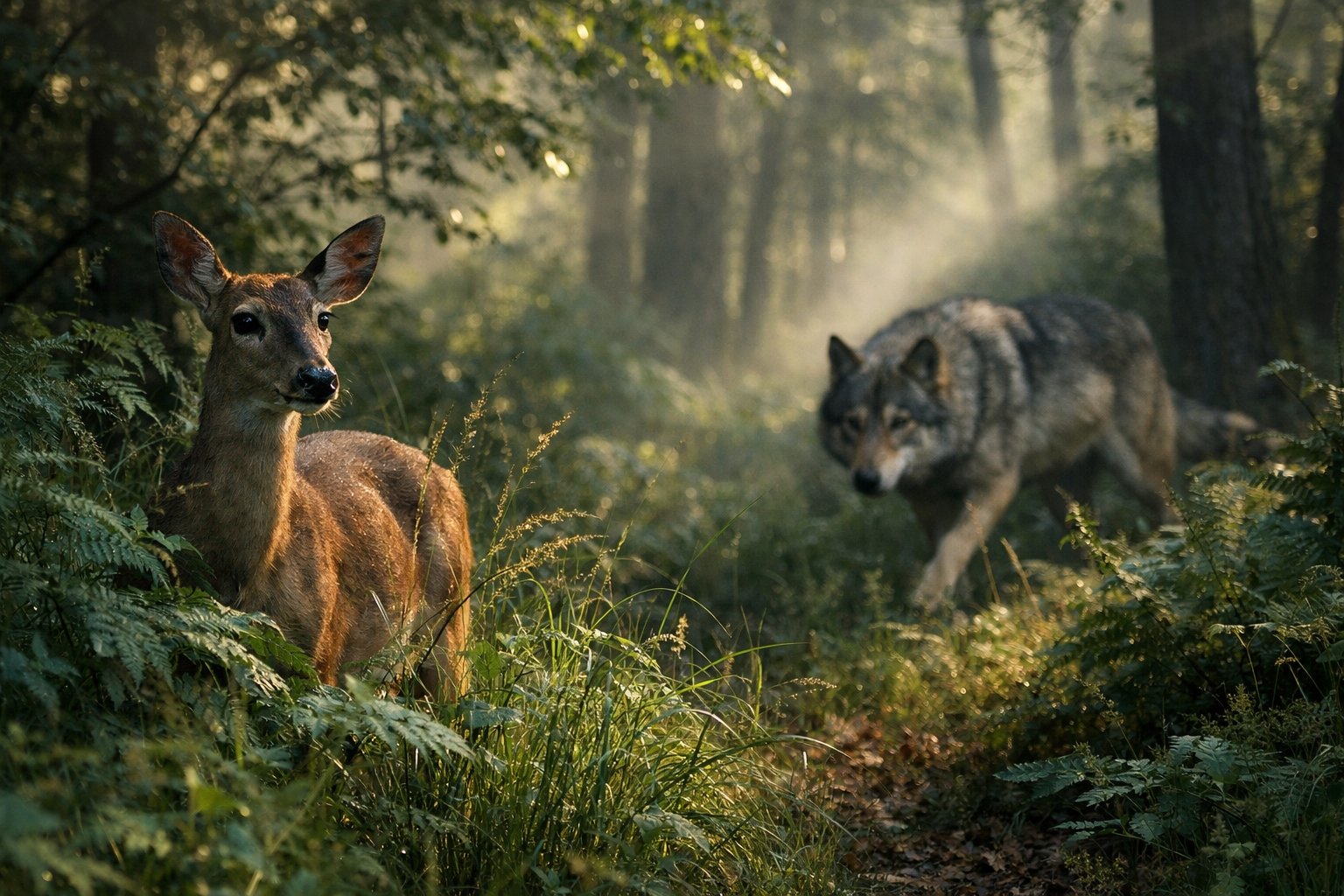
If you know what deer fear, you can better understand their behavior. You’ll also spot signs of danger and maybe even protect your garden or livestock without guessing.
Let’s dig into which predators and threats worry deer most, and how deer use their senses and group smarts to detect and escape danger.
Predators and Threats Deer Are Afraid Of

Deer react to both fast, quiet stalkers and loud, obvious threats. They flee from ambush hunters and avoid places marked by humans or domestic animals.
Major Natural Predators of Deer
Wolves hunt in packs. They chase adult white-tailed deer, wearing them out until they catch them. Wolves usually go after deer that are separated or injured.
Cougars, or mountain lions, use stealth and surprise. They ambush deer near cover, especially at dusk or dawn.
Coyotes mostly target fawns and weak adults. In groups, though, they can threaten bigger deer.
Bears—both black bears and grizzlies—eat fawns and sometimes adult deer if food is scarce. These predators really shape where deer sleep, feed, and move.
If you track deer, you’ll notice tighter groups, more alarm snorts, and quick escapes in areas where these predators roam.
Other Animals That Cause Fear in Deer
Bobcats and foxes usually go after fawns. You’ll see does with young stick closer to cover.
Large birds of prey, like golden eagles, can snatch or injure very young fawns. That’s why fawns often hide and stay still for hours.
Domestic dogs freak deer out, even if they aren’t hunting. The scent or chasing from dogs makes deer bolt and avoid certain yards or trails.
Deer also spook at sudden noises or unfamiliar animals. You’ll spot tail-flagging and hoof stomping when this happens.
These less common predators still change how deer move and feed, especially near towns and farms.
Fear of Humans and Human Impact
Humans cause the strongest, most widespread fear in deer. Our presence, hunting, roads, and development push deer to change when and where they move.
Deer often switch to nighttime habits just to avoid us during the day. Hunting season ramps up their vigilance, snorting, and group sticking.
When people clear forests or feed deer near homes, deer lose their normal patterns. This can lead to car accidents and crop damage.
If you keep dogs leashed and reduce disturbance, you’ll help local whitetails and fawns stay less stressed and more natural.
How Deer Detect and Respond to Dangers
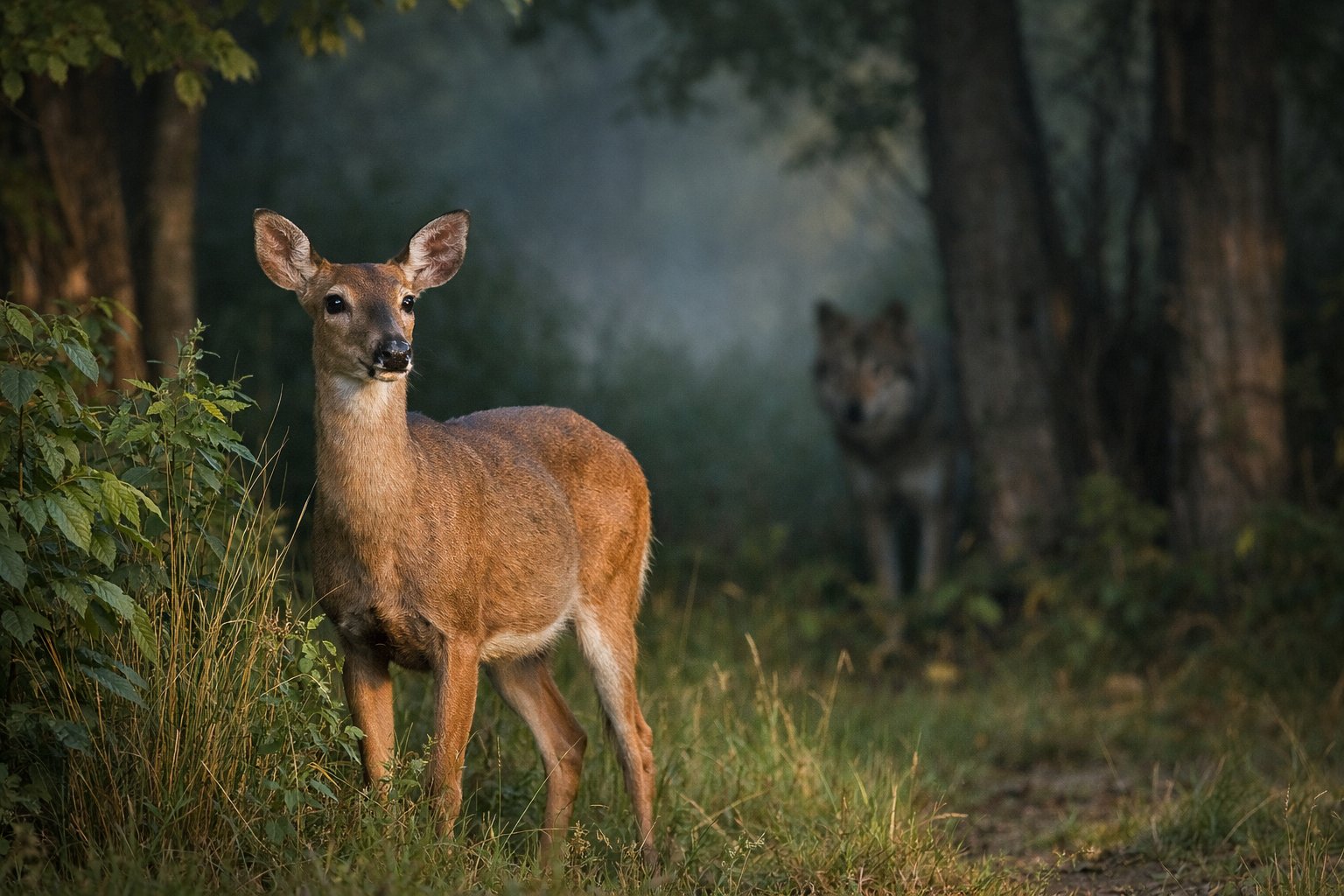
Deer depend on sharp senses, quick choices, and learned habits to survive. Let’s look at how they sense threats and what they actually do when alarmed.
Deer Senses and Survival Skills
Deer use hearing, smell, and sight to spot danger. Their big, swiveling ears pick up faint sounds—a twig snap, for example.
Their noses catch human or predator scents from far away. They even sense ground vibrations through their hooves.
Their eyes pick up movement well, especially in low light. They don’t see color as much, but motion stands out.
You’ll often see a deer lift its head, twitch its tail, or freeze when it senses something odd. Mothers teach fawns safe routes and bedding spots.
Knowing the land—escape trails, thick cover, and feeding areas—gives deer an edge against wolves, coyotes, cougars, and humans.
If you want to see more about predator threats, check out what animals worry deer most.
Common Behavioral Responses to Threats
When a deer senses danger, it usually freezes first to avoid being seen. If the threat sticks around, it snorts or wheezes as an alarm and then bolts away in a zigzag to throw off predators.
Tail flagging—flashing the white tail—warns other deer and can start a group escape. You’ll also notice hoof stomping and quick ear movements.
In groups, deer rely on collective vigilance. One deer notices danger, and the rest follow.
Fawns often hide and stay still while their mother tries to distract predators.
If you hunt or manage land, these behaviors tell you a lot about predator activity or human disturbance. Alarm calls and tail flags can help you read what’s going on with local deer.
Natural and Human-Made Deterrents
You’ve got a lot of options if you want to keep deer away from your crops or yard, though honestly, some work better than others.
Physical barriers—like electric or non-electric fences—block deer pretty reliably, as long as you install them well.
Propane exploders and loud noises might scare deer off at first, but they usually catch on and start ignoring them.
People try radios, wind chimes, metal cans, pie pans, and motion-activated lights because the new sounds and movement can startle deer for a while.
Scent and taste repellents come in many forms. You can spray commercial products like Deer Away, Bobbex, or Liquid Fence, or use things like putrified eggs, dried blood, and even predator urine.
Some folks plant mint, lavender, marigolds, oregano, thyme, rosemary, or chives, hoping these strong smells will help. They might help a little in small gardens, but if deer are really hungry, they’ll just eat around them.
Ultrasonic devices and scarecrows seem clever, but deer tend to figure out pretty fast that they’re not a real threat.
If you’re worried about disease or other wildlife issues, it’s best to check out wildlife management advice for things like chronic wasting disease (CWD) and epizootic hemorrhagic disease (EHD). That way, you can lower the risks when you’re feeding or baiting deer. (https://iere.org/how-do-deer-detect-predators/)


