
Ever had a deer just stare you down? It might feel weird, maybe even like a challenge, but honestly, it’s just a quick safety check.
Deer freeze and focus to figure out if you’re a threat, something interesting, or just something to ignore. They stare to size you up—using their eyes, nose, and ears—so they can decide whether to stick around, check you out, or dash off.
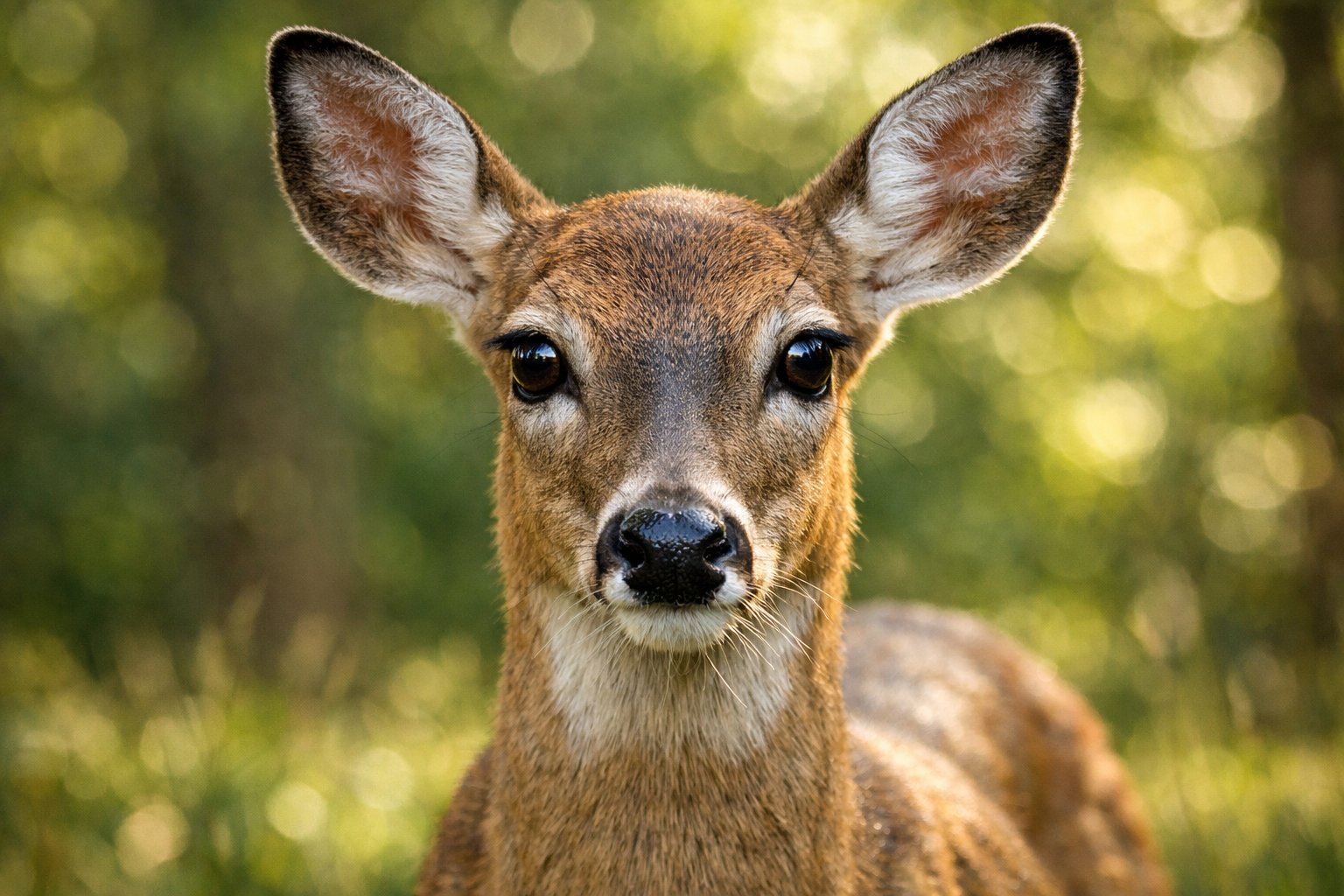
When a deer locks eyes with you, check out its posture, ears, and tail. Those little details give away what’s going on in its head.
This article gets into why deer stare, what their body language really means, and how you can act so you don’t spook them (or put yourself in a bad spot).
Why Do Deer Stare at You?

A deer usually looks at you to figure out if you’re safe or sketchy.
That stare might mean it’s sizing you up, just curious, or reacting to something you did or something in the environment.
Freeze-and-Assess: The Survival Instinct
When a deer stares right at you, it’s freezing to check you out before it bolts. Freezing lets it use its side vision and sharp hearing without making a big move.
You’ll see a still body, tense muscles, and those ears swiveling toward any sound.
If it stamps a foot or flicks its tail, that’s a sign it’s more on edge. It might run any second.
Try to stay chill and back off slowly. Quick moves usually make them bolt.
If you see a mother with fawns, she’ll judge you faster as a threat. Give them extra space—no one wants to upset a protective mom.
Deer Vision and Sensory Processing
Deer have eyes on the sides of their head, so they get a wide view but not great depth perception. They notice movement super easily—a tiny twitch from you stands out more than if you just stand still.
They see mostly blues and yellows, not reds. So your red jacket? Not as bright to them as you’d think.
Their nose and ears work overtime too. Sometimes a deer just stands there, trying to catch your scent or listen for anything weird.
If you keep your movements slow and avoid strong smells, you’ll seem less threatening.
Curiosity and Vigilance
Not every stare means fear. Sometimes a deer is just plain curious.
Maybe you look or sound different, or you smell odd. In neighborhoods where deer see people a lot, they can get pretty chill.
A curious deer might tilt its head, blink slow, and keep its body relaxed.
If it senses risk, curiosity flips to vigilance. Watch for ears pinned back or a tail sticking up—those mean worry.
If you want the deer to move along, don’t walk toward it or offer food.
Influence of Environment and Human Behavior
Where you are and what you do changes how a deer reacts. At dawn and dusk, deer are more active and alert, so you’ll get more stares.
In busy areas, deer might stare longer but not run—they’ve learned most people aren’t dangerous.
What you do really matters. If you run, talk loudly, or use a camera flash, you’ll freak them out.
Feeding deer or getting close to fawns teaches them to expect people, which messes with their natural instincts.
To keep things safe, give deer plenty of space and skip the snacks.
If you want to dig deeper, check out Understanding why a deer might stare at you (https://iere.org/why-did-a-deer-stare-at-me/) or practical safety tips for staring deer (https://biologyinsights.com/what-does-it-mean-when-a-deer-stares-at-you/).
Deer Body Language and Appropriate Human Response
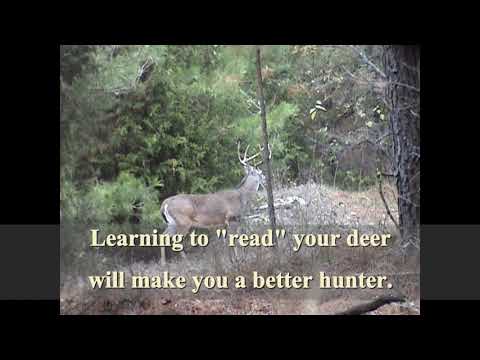
Deer use lots of little signals to show if they’re curious, scared, or ready to run.
Watch their ears, tail, posture, and even what season it is. That way, you’ll know how to act and avoid stressing them out.
Reading Key Signs: Ears, Tail, and Posture
Deer point their ears toward sounds. If those ears swivel toward you, it’s paying attention.
If both ears lock forward, it’s focused on you and trying to decide what to do.
A relaxed tail just hangs down. If you see the white underside and the tail goes up, that’s a big warning sign.
Flicking or twitching tails mean nerves.
Posture matters too. If a deer shifts its weight back and lifts its head, it’s ready to bolt.
A low head or slow chewing usually means it’s curious, but still cautious.
Don’t try to pet or feed them. Feeding deer just makes them expect handouts and causes problems later.
Why Deer Freeze and What It Means
Freezing helps deer avoid getting spotted. When a deer stands totally still and stares, it’s trying not to get noticed and is using all its senses to judge if you’re risky.
A frozen deer might be checking which way the wind is blowing to see if it can smell you.
If your scent drifts over, expect a longer stare or for the deer to back off.
Freezing isn’t calm for them—their heart’s racing, even if they look chill.
If you hold still and don’t make sudden moves, the deer might decide you’re not a problem and wander off.
Just don’t go closer. Sudden moves can make them run or, in rare cases, act defensive.
Seasonal Factors: The Rut and Feeding
During the rut (mating season), bucks act differently. They’re focused on does and rivals, so their attention gets unpredictable.
If a buck stares at you, it might be sizing you up as a rival or just noticing you near a doe.
Give them extra space and let them do their thing.
In winter or when food’s scarce, deer look for food wherever they can. They might let you get closer, but feeding them messes up their health and habits.
Don’t feed deer—it raises disease risk and makes them dependent on people.
Respect the animals and any local rules. Let deer find their own food and pass by without interference so everyone stays safe and healthy.
What to Do When a Deer Stares at You
First, try to stay calm. Move slowly—no need to panic or make any sudden moves.
Don’t walk straight toward the deer or bolt away. Just sort of pause, avoid staring it down, and keep your body language chill.
Try making yourself look smaller. Stand a bit sideways, drop your hands, and if you need to say something, keep your voice low and gentle.
Got a dog with you? Clip on the leash and quietly lead it away so the deer doesn’t get more agitated.
Take a few steps back and give the deer plenty of space to leave if it wants. It’s all about letting the animal feel like it’s got options.
If the deer starts stomping, snorting, or its tail shoots up, that’s your cue—back off more, right away.
If you see a fawn, don’t touch it or try to move it. Odds are, mom is nearby and watching.
Stick to local wildlife guidelines. Don’t feed deer, either—it’s better for everyone that way.


