
Ever spot a deer on a trail and catch yourself wondering what could actually take one down? Predators like wolves, mountain lions, coyotes, and bears can kill deer, but scavengers and disease also play a part in whether a deer makes it.
Figuring out who or what eats deer helps you understand wildlife behavior and the risks deer face in their habitats.
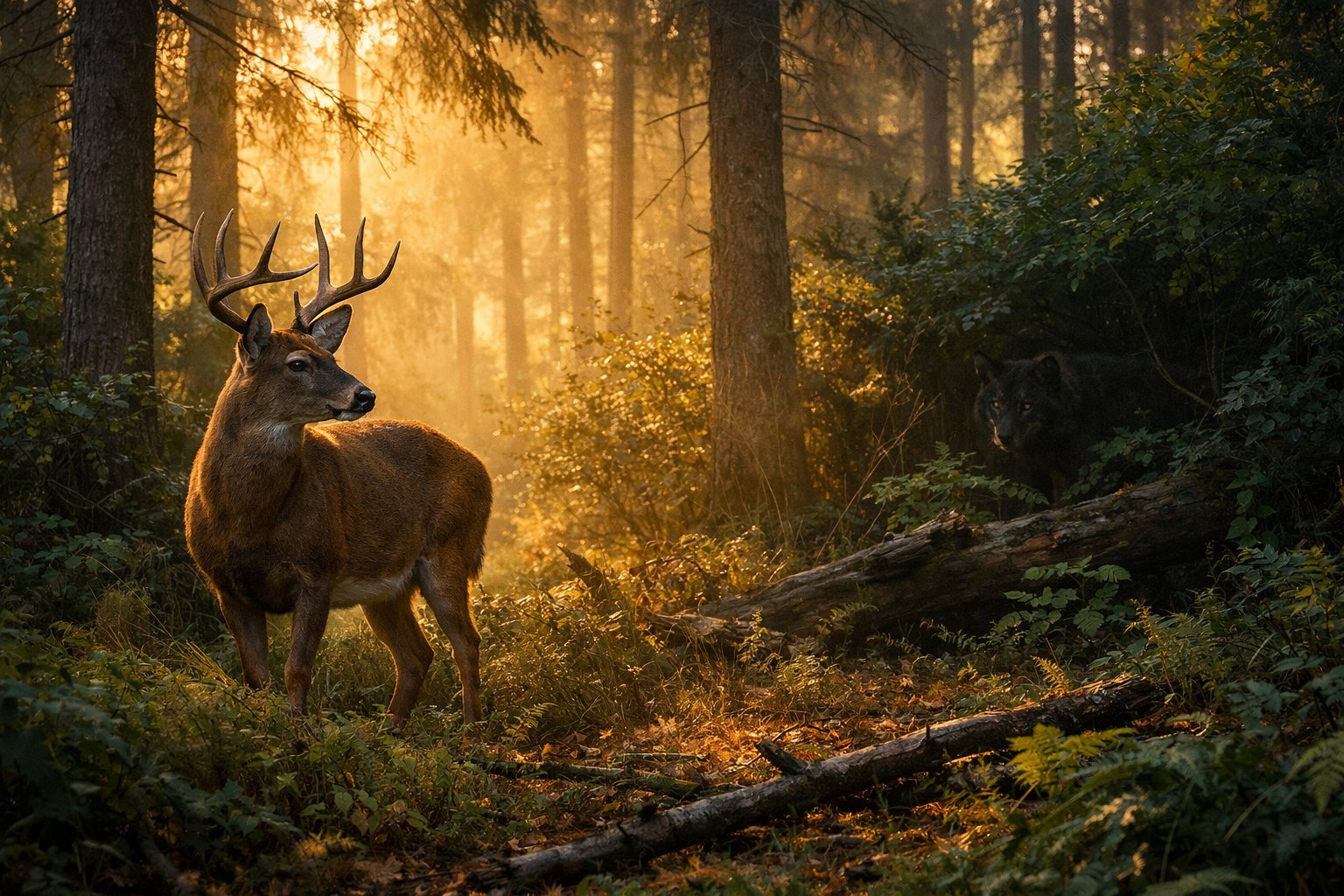
Different hunters—big carnivores, packs of smaller predators, and even opportunistic scavengers—all go after deer in their own ways. Non-predator threats like illness, tough weather, and human activity can also influence whether a deer survives.
Let’s get into some real examples of natural predators, the strategies they use, and other dangers that shape a deer’s fate.
Natural Predators of Deer
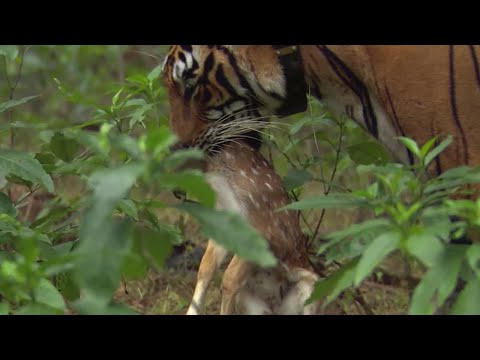
Deer run into different threats depending on where they live, how big they are, and how old they get. Predators usually target fawns or weaker adults, and many rely on stealth, speed, or teamwork to catch their prey.
Wolves
Wolves hunt as a pack, working together to bring down big animals like elk or whitetail deer. You’ll see them drive deer toward ambush points or just wear them out with long chases.
In open spaces or along forest edges where deer feed, wolves use the terrain and wind to sneak up. Pack size really matters here. Bigger packs can go after adult red deer or elk, but small groups stick to white-tailed deer and fawns.
Wolves go for endurance rather than sudden sprints. Deer that can’t escape to cover or water fast enough are in trouble. Wolves influence where deer hang out; deer often avoid valleys or ridge lines where wolves hunt.
Coyotes
Coyotes adapt to pretty much anywhere. They hunt solo, in pairs, or in packs. In suburban woods and fields, coyotes take a lot of fawns and sometimes go after weakened adult white-tailed deer.
Coyotes use ambush tactics and short chases, teaming up when the prey’s bigger. Where elk or red deer live, coyotes rarely attack adults unless they’re injured. They strike at dawn or dusk, often when fawns are hidden.
Coyotes also scavenge. They’ll eat deer killed by other predators or cars. It’s not glamorous, but it works for them.
Mountain Lions
Mountain lions (or cougars) stalk and ambush deer from cover. If you’re near the edge of deer habitat, canyon rims, or thick brush, you’re in classic cougar territory.
These cats hunt alone and can take down adult mule deer, whitetail deer, and every so often, even bigger animals like elk. They sneak up quietly and then launch a quick, powerful leap—no drawn-out chase.
Mountain lions usually drag their kills into dense cover to eat and stash them. Even a single mountain lion can have a big impact on local deer numbers, especially where deer gather near water or clearings.
Bears
Bears eat deer when they get the chance, mostly targeting fawns or weak adults. Black bears and grizzlies will kill deer when fawns are everywhere, especially in spring and summer.
In thick forests or along rivers, bears use cover to sneak up. They rely on brute strength, not speed, so they go for easy targets. When salmon or berries are scarce, bears might hunt more deer and elk.
Bears also scavenge. They’ll eat deer killed by other predators or hit by cars. If you’re in woodlands, meadows, or river corridors, expect to see more bear–deer run-ins where their ranges overlap.
Other Threats to Deer Survival

Deer deal with plenty of risks besides big predators. It helps to know which animals and human actions cause the most harm—and what you can actually do about it.
Bobcats and Lynxes
Bobcats and lynxes do most of their hunting at dawn and dusk. They go after fawns and smaller or weaker adults.
If you notice heavy browsing on shrubs or thin woody vegetation, fawns are probably hiding there—and predators aren’t far. These cats use stealth and quick, short chases, not marathon pursuits.
They stick to dense brush or rocky spots. If you want to protect your yard, think about planting deer-resistant plants or using deer repellents. Bobcats rarely take down healthy adult white-tailed deer, but they can grab fawns in the first weeks after birth, which can affect local deer numbers down the line.
Managing hiding spots near roads and cutting back on deer feeding helps. Leaving food out draws deer together, making fawns easy targets. Good wildlife management—like keeping natural forage available and not feeding deer in one spot—takes the pressure off from bobcats and lynxes.
Domestic Dogs
Loose dogs can chase, injure, or even kill deer. Dogs run fast and can maul a fawn or wear out an adult until it gives up.
Even if dogs don’t kill, repeated chases stress deer out, lower their body condition, and hurt antler growth and fawn survival. Keep dogs leashed and yards secure, especially during fawning season.
If local dogs and deer keep running into each other, talk to neighbors about stopping deer feeding and removing attractants. Posting signs about leash laws and picking up after pets helps too.
Dog attacks mostly happen near homes where deer eat gardens or landscaping. Planting deer-resistant options and not feeding deer make these run-ins less likely.
Human Hunting
Regulated hunting is a major reason adult deer die where it’s allowed. Hunting seasons and bag limits help balance deer populations and keep habitats healthy.
Wildlife agencies set the rules to control numbers and help antler growth by removing extra deer. Illegal or unregulated hunting can wipe out local herds and mess up the age balance.
Poachers often go after trophy bucks, which can change antler traits over time. Learn your local rules and report violations if you see them.
Hunters who follow the law actually help fund wildlife management, which pays for habitat work and research. Avoid feeding deer or putting out attractants near roads and hunting areas—concentrated feeding changes deer movement and can lead to more car collisions and problems during hunting season.
Environmental Hazards
Severe weather, disease, and habitat loss all put deer at risk. When winter brings deep snow, deer can’t reach their usual forage, so they end up chewing on woody plants and tree bark.
As food gets scarce, some folks try to help by feeding deer. But honestly, that often just spreads disease and can mess with antler growth, especially if the feed isn’t great.
Chronic Wasting Disease and parasites hit deer hard, lowering their body condition and making it tough for fawns to survive. When development breaks up habitat, deer lose cover and get crowded into tiny patches, which leads to overbrowsing and stressed-out plants.
If you want to help, support wildlife corridors and plant native forage. These steps make it easier for deer to move and find food safely.
On your own land, don’t feed deer. Try using deer-resistant plants instead, and get involved with local wildlife management to keep natural forage healthy and help control disease.


