
You probably don’t need to worry much about deer—they usually run off when they see people. Still, sometimes they can get aggressive, especially if you get too close during mating season or when fawns are nearby.
Give them space, especially at those times, and you’ll lower your risk of a nasty encounter.
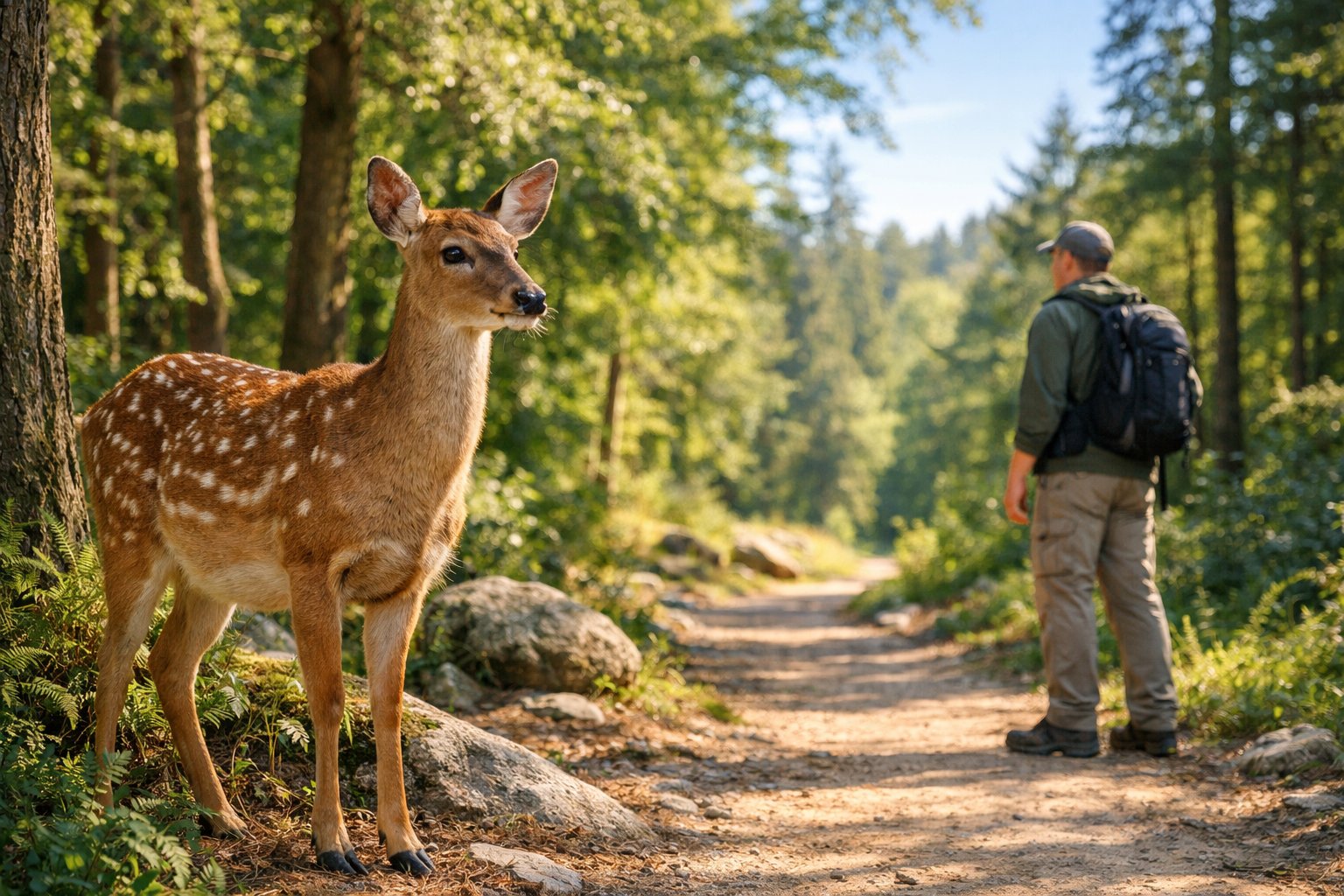
Let’s get into what can trigger deer aggression, how to spot warning signs like stomping or antler displays, and what to do if a deer comes your way.
Knowing this stuff helps whether you’re hiking, gardening, or just out walking your dog.
Why Deer May Become Aggressive Towards Humans

Most deer want nothing to do with people. Still, certain things can make them act out.
You’ll see aggression mostly when males fight, mothers protect fawns, deer get used to being fed, or when an animal is sick, cornered, or hurt.
Aggressive Behavior During Rutting Season
During the rut, bucks become obsessed with mating. You might see them chasing each other, swinging antlers, or even rearing up to spar.
Testosterone spikes and they get careless, so people or pets who wander too close could get caught in the chaos.
If you walk near fields or woods in autumn, listen for heavy movement and watch for raised hair or stomping bucks. Sometimes, they mistake humans for rivals or just react to a scent.
Bucks can charge or bluff-charge. Give them room, keep your dog leashed, and don’t block their escape route.
Maternal Instincts: Protecting Fawns
Does get extra protective in late spring and early summer. If you stumble across a hidden fawn or end up between a mother and her baby, she might charge, kick, or circle around to drive you off.
Look for warning signs like a lowered head, stomping, snorting, or a curled tail. Never touch or move a fawn you find—mom’s probably nearby and will come back.
If a doe acts aggressive near a trail, just back away slowly until you’re out of her bubble.
Habituation and Feeding by Humans
When people feed deer, the animals start expecting it and lose their fear. Tame deer come into yards, parks, or picnic spots, which isn’t great for anyone.
That boldness can lead to snapping, lunging, or even following you for food.
Don’t feed wild deer. Lock up your trash and don’t leave pet food outside.
If a deer comes up to you, stand tall, make noise, and move away. White-tailed and mule deer in the suburbs can get pretty gutsy if people feed them, so stopping that habit helps everyone.
Injury, Illness, or Cornered Deer
A hurt or sick deer can act totally out of character. Illnesses that mess with their brains, or getting stuck in a fence, might make them lash out instead of running.
Rabies is rare in deer, but other problems or injuries can still make them aggressive.
If you spot a deer that’s staggering, drooling, or just hanging around when it shouldn’t, keep your distance and call local wildlife authorities.
If you see one trapped, let the professionals handle it. Trying to help an injured deer yourself is risky—they can bite, kick, or trample in a panic.
Recognizing and Responding to Aggressive Deer

Pay attention to signs of stress. Give deer space, don’t feed or approach them, and call wildlife officials if you see a sick or aggressive animal.
Warning Signs of Aggressive Deer
Watch for a lowered head, ears pinned back, or stomping feet—these are classic warnings. Bucks might paw the ground or snort, especially during the rut.
If you see a raised white tail, that’s alarm, but if a deer keeps coming closer or follows you, it’s probably lost its fear.
Antler displays and lunges mean business. A buck that stands on its hind legs, charges, or swings antlers can hurt you fast.
Sick deer might act weird—stumbling, drooling, or even being way too tame. If you notice any of that, just stay back and don’t try to feed or pet them.
Use binoculars or your phone’s zoom to watch from a distance. The risk goes up in spring and early summer near fawns, and again in the fall with rutting bucks.
Report aggressive or sick deer to your state wildlife agency or animal control.
What to Do if a Deer Attacks
If a deer charges, put something big between you and it—a tree, car, or fence is perfect. Back away slowly if you can; sudden moves might make things worse.
If the deer knocks you down, curl up and protect your head and neck with your arms.
Yell and try to look bigger if it keeps coming. Use your jacket, backpack, or a stick to keep it at a distance.
Don’t turn your back and run; deer sometimes chase moving targets. If you or someone else gets hurt, call emergency services and let wildlife authorities know what happened.
Don’t try to help a wounded deer unless you’re trained for it. Call animal control or game wardens to handle trapped or injured animals.
Steer clear of tight spots where deer can’t escape, like fences or narrow trails.
Preventing Negative Deer Encounters
Don’t feed deer. When people feed them, deer lose their natural fear and get used to humans, which can make them act bold or even aggressive.
Keep pet food and outdoor garbage locked up so you don’t end up with deer hanging around your yard.
Try repellents and barriers around your garden. Motion-activated lights, tall fencing—at least 8 feet—and scent repellents usually keep deer away.
If you’re in a spot with lots of deer, go for landscaping they don’t like to eat. It really helps.
During fawn season in May and June, or when the rut hits in the fall, give deer even more space than usual. Always leash your dog on walks during those times.
If you spot deer that act tame or unusually bold, let wildlife officials know. They need to check for disease or other risks.
Don’t lump deer in with predators like bears; the way you handle them isn’t quite the same. Still, the main rule? Give wild animals their space and call the pros if you see anything sketchy.


