
You probably picture deer nibbling leaves and acorns. Sometimes, though, they surprise us with unexpected choices.
Deer do occasionally eat meat or animal parts, but this behavior is rare and usually happens for specific nutritional reasons.
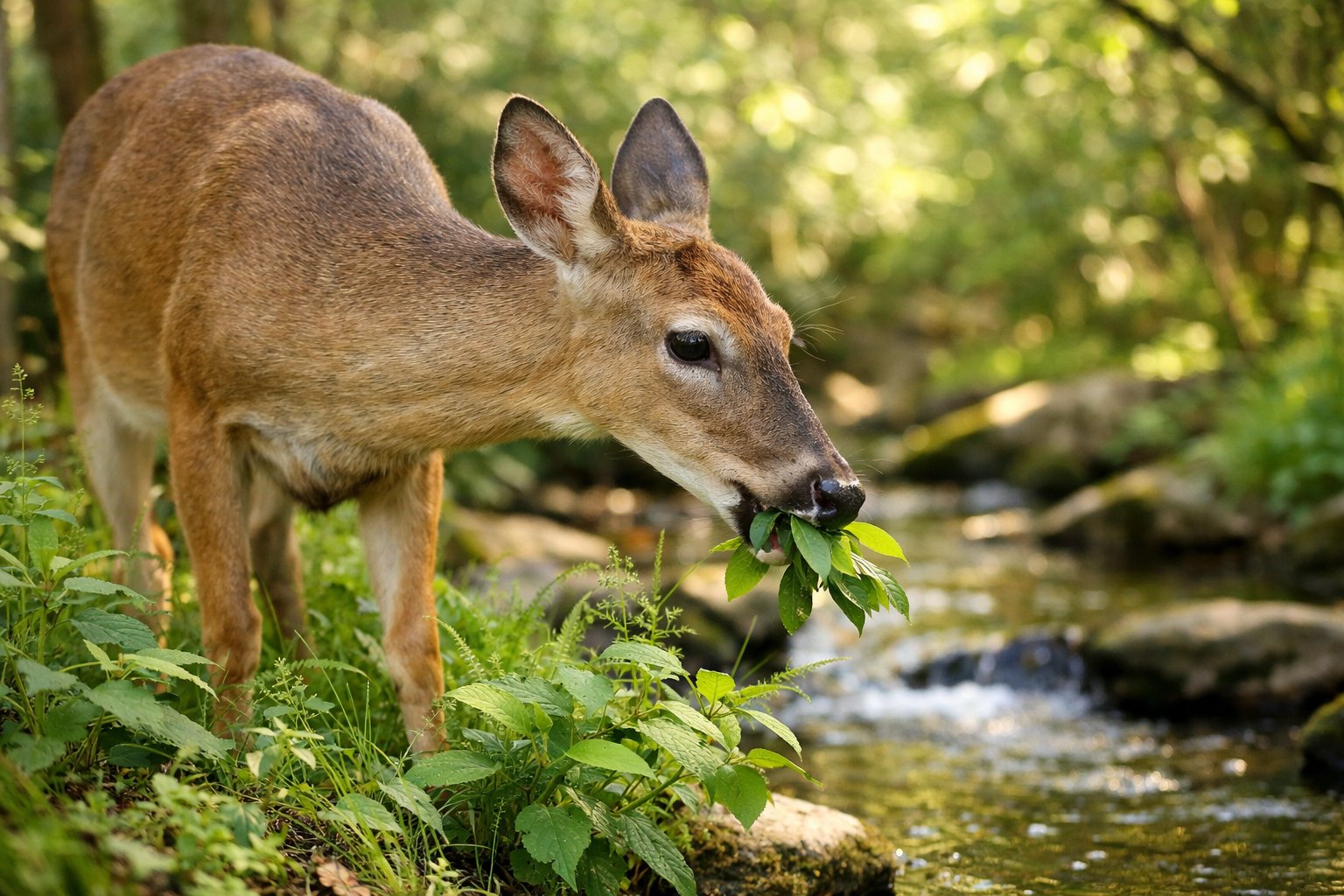
You’ll run into real-life cases and explanations that show when and why deer switch from plants to flesh or bones. Sometimes, it’s honestly just weird to see.
This article explores odd sightings, the science behind the behavior, and what it might mean for deer health and ecosystems.
Keep an eye out for surprising examples and clear signs that tell you whether a deer is acting out of need or just exploring a new food.
Do Deer Ever Eat Meat? Rare Behavior and Real-Life Examples

Deer mostly eat plants, but some reports show they’ll take meat in specific situations. Usually, this involves scavenging, mineral needs, or just plain hunger—not active hunting.
Documented Instances of Deer Eating Meat
You might come across photos from trail cameras showing deer at a carcass. Wildlife cameras and field reports have caught white-tailed deer and elk nibbling on dead squirrels, rabbits, or even bird eggs.
Researchers at places like Texas State University and some wildlife groups have seen deer chewing on bones or carcasses to get minerals. Some forensic studies have even noted deer checking out human remains at remote sites—though that’s rare and usually just scavenging.
These sightings tend to be local and situational. More reports pop up during winter, when green forage is scarce, or near water where carcasses pile up.
The National Deer Association and field biologists say these behaviors are uncommon and don’t signal a diet change.
What Types of Meat Do Deer Eat?
Deer almost never eat fresh meat they kill themselves. Instead, they usually scavenge: carrion like dead squirrels, rabbits, roadkill, or fish washed ashore.
You might also spot deer eating bird eggs, nestlings, or insects if plant food runs low. Osteophagia—gnawing on bones or shed antlers—gives deer calcium and phosphorus, especially during antler growth or lactation.
Meat can expose deer to pathogens from carrion, so it’s a bit risky. Meat eating is usually short-term and opportunistic.
If you read a report, check whether the animal was scavenging or actively hunting; most credible accounts show scavenging.
Species Most Likely to Eat Meat
White-tailed deer are the species most often reported eating meat in North America. Mule deer and elk don’t show this as often but can scavenge under stress.
Younger deer and lactating females may seek extra minerals, making them more likely to nibble bones or carcasses. You might also spot deer near farms, coastlines, or places with food shortages trying something new.
If you look at trail camera images, pay attention to habitat and season. Areas with heavy winter stress or bad soil minerals show more reports of deer eating meat.
Scientists and wildlife managers use these patterns to give advice about deer nutrition and health.
Why and How Deer Sometimes Eat Meat

Deer usually stick to plants, but they’ll grab animal matter if they need extra minerals, calories, or protein. Sometimes shortages or the environment push them to scavenge.
Let’s look at why that happens, how their ruminant guts handle meat, and what meat does to their health.
Nutritional Triggers and Environmental Factors
When plant foods lack calcium, phosphorus, or sodium, deer will gnaw bones, antlers, or carrion. Pregnant and lactating females need more minerals and protein, and males growing antlers crave extra calcium for bone tissue.
In late winter or early spring, green forage can get scarce and low in nutrients. Deer might eat eggs, nestlings, fish, or small carcasses they stumble across.
Human factors play a role too. Agricultural fields, salt licks, and roadkill make animal matter easier to find.
Poor soil that grows low-nutrient plants increases the chance you’ll see meat-eating. This behavior is opportunistic, not a switch to a meat-based diet.
Deer stay mostly herbivores, but environment and nutrient needs can push them toward meat once in a while.
Digestive System: Ruminants Eating Meat
Deer are ruminants with a four-chambered stomach: rumen, reticulum, omasum, and abomasum. The rumen hosts microbes that break down cellulose from plants.
That system doesn’t work well on raw meat and fat because those microbes specialize in plant fibers, not animal protein.
Small amounts of meat or bone are digestible but pass differently through the chambers. Bones or antlers supply minerals by mechanical grinding and slow dissolution in the stomach.
Eating flesh bumps up protein intake, but too much can upset the rumen flora and cause digestive stress. Deer don’t digest meat like omnivores; they handle it as an occasional supplement, not a main course.
Health Impacts and Dietary Flexibility
A bit of meat sometimes fills short-term nutrient gaps for deer, especially when they need to grow antlers or produce milk. Still, eating meat regularly can cause problems.
Carrion can carry pathogens and parasites, and human contaminants like lead from gut-shot animals often end up harming deer. Their digestive systems get upset, and the gut microbes change if they eat meat instead of plant fiber for too long.
Deer usually stick to plants—they’re built for it. But when times get tough, they’ll act more like opportunistic omnivores. Honestly, it’s best not to feed deer meat or leave carcasses near where they eat.
If you’re managing habitat, focus on boosting plant diversity and making sure minerals are available. That way, deer are less likely to scavenge meat and can stick with the plant-based diet that really suits their ruminant guts.


