
You can usually tell a deer feels happy by watching how it moves and acts. Look for relaxed posture, gentle tail swishes, soft grunts, calm feeding, and playful chasing among the younger ones.
If a deer feeds slowly, keeps its ears soft, and moves with loose muscles, it’s probably content.
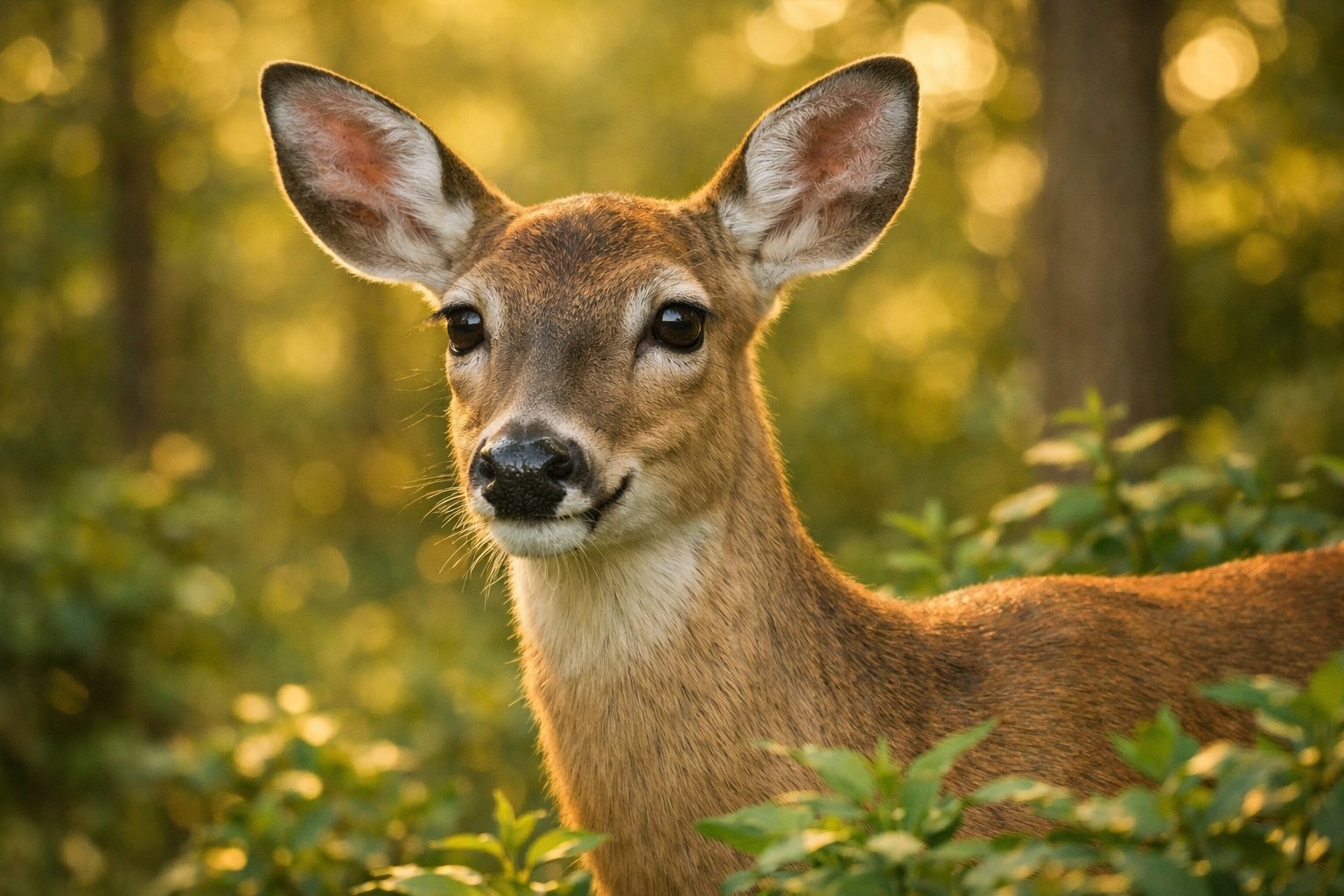
Notice the little things—like grooming, resting close to others, or just soaking up the sun. If you learn to read tails, ears, and those quiet deer sounds, you’ll spot these moments and feel more confident watching deer in the wild.
Key Signs a Deer is Happy

You can spot a happy deer by watching its stance, ear and tail movements, and how it acts with other deer. Look for calm posture, friendly grooming, and relaxed eating.
Relaxed Body Language and Posture
A happy deer holds its head at a natural level, not high and stiff. You’ll notice soft eyes and ears that flick or rotate instead of sticking straight forward.
No raised hair along the spine, either. The legs look loose, not tense, and the deer moves with a slow, steady walk instead of jerky steps.
Pay attention to the tail—a gentle side-to-side swish or a loosely carried tail usually means the deer feels safe. If you see a deer lying down, it’ll tuck its legs under and chew slowly.
These signs come straight from whitetail deer body language and help you tell calm from alert.
Positive Social Interactions
Happy deer stick close to their herd and groom each other. You’ll notice mutual licking or nuzzling around the neck and face, which helps them bond and signals comfort.
Young deer play by chasing each other and light head-butting. These actions are quick and not aggressive.
When deer rest nearby, they’ll cluster in relaxed groups instead of spreading out. Calm vocal sounds—soft grunts or low bleats—sometimes happen during these moments.
If you spend time watching deer, these social signs really show how secure they feel.
Calm Feeding Patterns
A content deer eats in a steady, unhurried way. You’ll see slow chewing and long stretches of grazing without much scanning.
Happy deer feed in more open areas and stick around at a food source longer, which means they don’t feel threatened. Notice if the deer only looks up now and then.
If it’s constantly freezing or trotting away, it’s probably tense, not happy. Watching how a deer feeds gives you a clear sense of its mood.
Understanding Tail Movements and Communication

You can read a deer’s mood by watching its tail, ears, and listening for little sounds. Notice the tail, any soft calls, and if the deer is sniffing the air or leaving scent marks.
Tail Swishing Versus Tail Flagging
Tail swishing is a soft, side-to-side movement. If a deer swishes its tail slowly while eating, it probably feels safe.
Slow swishes usually happen with relaxed ears and a lowered head. That combo shows the deer is calm and likely comfortable.
Tail flagging, though, is a quick, high raise that signals alarm. When a deer flashes the white underside of its tail, it warns others and gets ready to run.
You might see flagging with stiff legs, raised rump hair, or repeated flicks. Bucks in bachelor groups sometimes tuck their tails instead of flagging when they run.
Farmers and hunters often watch for tail-flagging to guess if a deer will bolt.
Gentle Vocalizations and Social Sounds
Deer make soft calls that you can hear if you’re close. Fawns bleat for their mothers, and does use quiet grunts or soft snorts to keep in touch.
These sounds are short and pretty quiet. They don’t usually mean stress by themselves.
During calm social times, you might hear quiet grunts and soft bleats. These help deer keep bonds and tell you the herd feels safe enough to talk to each other.
Loud alarm snorts or sharp grunts, on the other hand, signal real danger and often come with tail flagging.
Scent and Smell Signals
Deer rely on scent to communicate mood or location. They’ll rub their forehead and neck glands on trees, leaving marks that claim territory or hint at breeding readiness.
If you spot fresh rubs or scrapes, deer have probably been around recently. That’s your cue to move quietly—no need to announce your presence.
Watch for a deer lifting its head and sniffing the wind. It’s trying to catch a whiff of any threats nearby.
You’ll sometimes see strong, repeated sniffing or scent-marking just before they bunch up or raise their tails halfway. That usually means they’re getting cautious.
Keep an eye on wind direction and check for recent rubs. Those clues help you figure out if the deer in the area feel safe or if they’re already on edge.


