
Maybe you love seeing deer wander into your yard and want to help them through tough winters. It feels kind to offer food, but feeding deer can actually harm their health, spread disease, and attract too many animals to one spot.
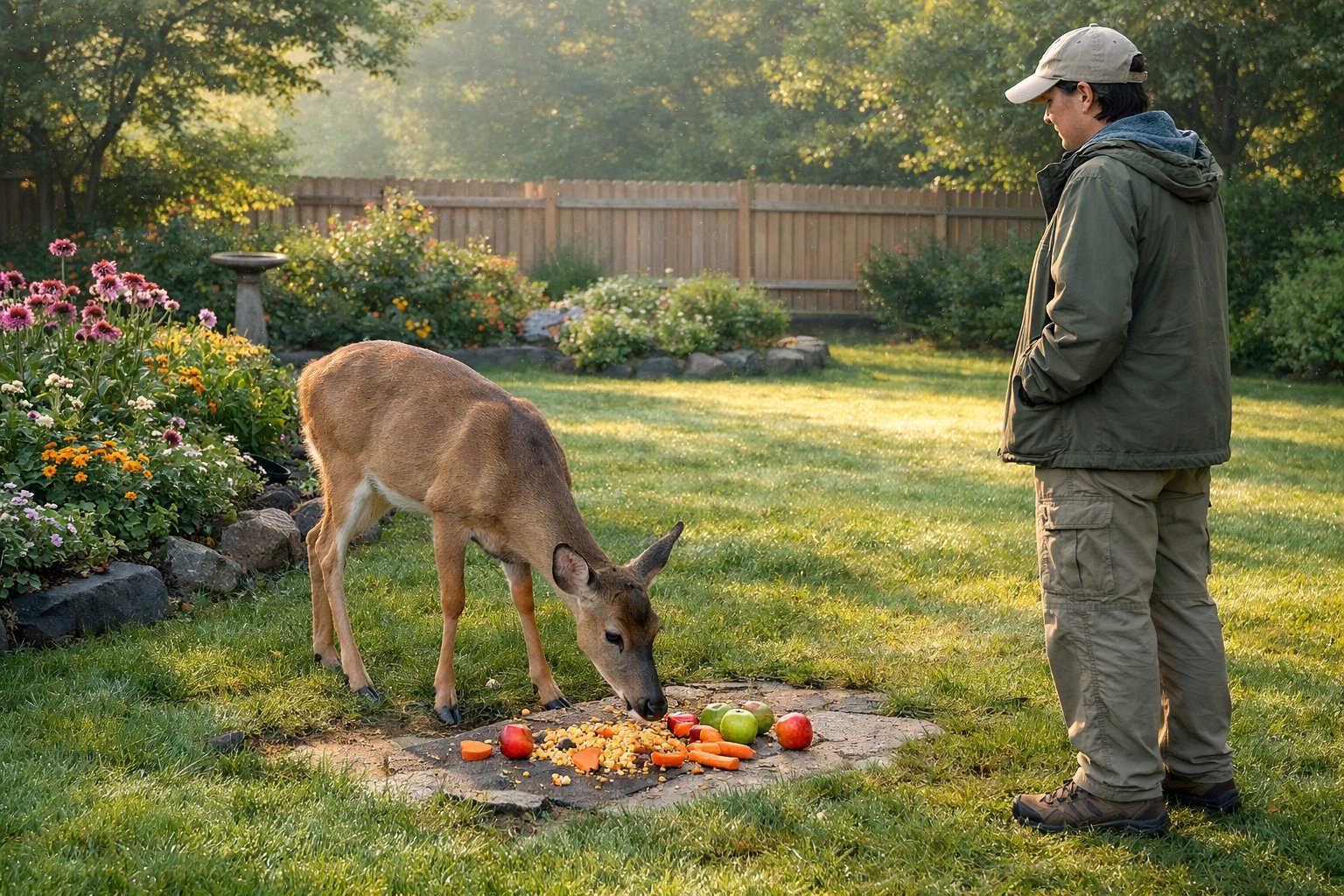
You shouldn’t feed deer in your garden in most cases. Doing so raises disease risk, creates dependency, and can damage local plants and wildlife. There are safer ways to support deer and protect your garden that keep animals wild and healthy.
Let’s look at the risks of backyard feeding, when (if ever) it makes sense, and practical alternatives like improving habitat or using deer-resistant plants. You can enjoy wildlife without causing harm.
Should You Feed Deer in Your Garden?

Feeding deer might seem thoughtful, but it actually brings real risks to deer, your plants, and even your neighborhood. Before you act, check out the key harms and what wildlife agencies say.
Key Risks of Feeding Deer
When you feed deer, you end up concentrating animals in one spot. That makes it much easier for diseases to spread, especially nasty ones like chronic wasting disease (CWD).
If a bunch of deer share feed or crowd together, they pass along pathogens and parasites much more easily.
Feed sites also change how deer act. Deer that get used to finding food from people lose their fear of homes and roads. That means more deer-vehicle collisions and, honestly, more trouble for people and pets.
Big deer can even chase or injure smaller ones at crowded feeders, so fawns and weaker animals get pushed out or hurt.
Artificial feeding leads to overgrazing near the feed site. Plants and young trees get stripped bare, which damages local habitat and can make the deer overpopulation problem even worse.
Your garden and your neighbors’ yards might end up suffering too.
Impacts on Deer Health and Nutrition
Most human food and a lot of commercial mixes don’t match what deer actually need. Deer rely on a mix of browse, native plants, and seasonal foods.
Sudden changes in diet force their gut microbes to adjust, which can cause digestive upset or poor nutrition for days or even weeks.
Supplemental feeding can actually lower deer fitness. Deer burn energy traveling to feed sites and fighting over food, which means they use up fat reserves they need for winter survival.
In harsh seasons, this can lead to more starvation, not less.
Feeding also messes with natural behaviors. Deer that skip normal foraging don’t learn where to find cover or native winter foods.
That hurts long-term herd health and concentrates disease and stress in certain animals.
Legal and Wildlife Agency Guidelines
Most local wildlife agencies advise against feeding deer. Some states and towns even ban or restrict feeding to control disease and reduce collisions.
Check your local rules before you even consider feeding.
Agencies point out the main problems: disease spread (CWD is a big worry), habitat damage, and more human-deer conflict.
Wildlife managers usually prefer habitat improvement and regulated hunting to manage deer numbers and keep populations healthy.
If you want to help deer, it’s safer to contact your local wildlife agency for advice. They’ll let you know what’s legal in your area and might suggest planting native browse or improving winter cover instead of putting out feed.
Better Ways to Support Deer and Your Garden

You can help local deer without feeding them processed food or causing a crowd. Focus on plants, habitat, and safe emergency choices that match deer nutrition and keep your yard healthy.
What Deer Naturally Eat in Gardens
Deer go for leaves, twigs, flowers, fruits, and crops that grow in and near yards. In spring and summer, they love tender shoots, hosta leaves, lettuce, and bean plants.
In fall, they eat acorns, apples, and other fruits. Once winter hits, they browse woody plants like maple twigs, raspberry canes, and shrub buds.
Watch what deer actually choose in your yard. That tells you what natural foods they find.
Planting native trees and shrubs like oak, serviceberry, and willow gives deer familiar browse and makes your lawn less tempting.
Try not to rely on high-calorie handouts; deer need variety and seasonal forage to stay healthy.
Safe Foods and Foods to Avoid
If you absolutely must provide extra food, go with native browse or small amounts of processed deer pellets made for wildlife. Some commercial deer feeds and mixes exist, but always check local regulations before using feeders or corn.
Never feed bread, table scraps, or large amounts of corn—those can cause digestive problems and dependency.
Safe options:
- Native twig bundles and shrub cuttings
- Small amounts of wildlife-formulated pellets (only if your area allows it)
- Fallen fruit like apples, but in moderation
Avoid these:
- Bread and baked goods
- Too much deer corn or grain
- Human snacks and leftovers
Always check your local rules. Many places restrict supplemental feeding to prevent disease and overpopulation. Look up guidance on feeding deer in your area before setting up a feeder.
Creating a Deer-Friendly and Responsible Habitat
Think about your yard as a place where deer can find food, shelter, and safe pathways—but don’t make it a hangout for big herds. Try planting a mix of native trees, shrubs, and perennial forbs. These choices give deer something to eat throughout the year and spots to hide.
Layer your plants. Use groundcover, shrubs, and small trees so deer can browse at different heights. It makes the space feel more natural and less like a buffet.
You can protect your garden without spending a fortune. Put up 8-foot fencing around veggie beds. Young trees do better if you use mesh cages. In spots that deer love to nibble, go for deer-resistant options like daffodils or lavender.
If you’re thinking about using a deer feeder or pellets, check your local rules first. Only feed deer in ways that don’t attract crowds or spread disease. Keep feeding sites small and spaced out.
Notice a sick deer? Let your local wildlife agency know. If you care about balanced deer populations, maybe join a conservation group in your area.


