
You probably care about the animals that wander through your parks, fields, and even your own backyard. Right now, the biggest threat to deer survival is the loss and fragmentation of their habitat. That means less food, less shelter, and fewer safe places to move.
Let’s dig into how disease, car crashes, hunting, and even the changing climate pile on more pressure and change how many deer stick around in your area. You’ll get a sense of which threats matter most where you live and what small steps might actually help deer stay healthy and visible on the landscape.
Primary Threats Affecting Deer Survival

Deer face problems from shrinking habitats, spreading disease, natural predators, and people. Each threat changes how many deer survive, where they roam, and how healthy they look.
Habitat Loss and Fragmentation
When people turn forests, fields, and wetlands into roads, houses, or farmland, deer lose places to eat and hide. Fragmentation pushes deer into smaller, disconnected patches. That ramps up competition for food and messes with migration routes and breeding.
Roads and new developments create more chances for deer-vehicle collisions. These crashes kill a lot of deer every year and put you at risk too.
Small patches can trap herds, lowering genetic diversity and making them less able to handle stress. You can spot this around suburbs where lawns replace native plants.
Restoring corridors and protecting bigger habitat blocks lets deer move more freely and find mates.
Disease and Parasites
Chronic Wasting Disease (CWD) causes big concern since it kills deer and can stick around in soil and plants for years. If CWD spreads, herds drop fast, and wildlife managers usually step in with testing and culling.
Epizootic Hemorrhagic Disease (EHD) sometimes wipes out deer suddenly, especially during dry spells when biting midges are everywhere.
Ticks and other parasites weaken deer and can carry things like Lyme disease to people. High deer numbers let diseases spread faster.
Malnourished deer get hit harder by infections. Watch for deer that look thin, act weird, or seem sick all at once.
Hunters and wildlife officials help by reporting sick animals and following testing rules.
Predation by Natural Predators
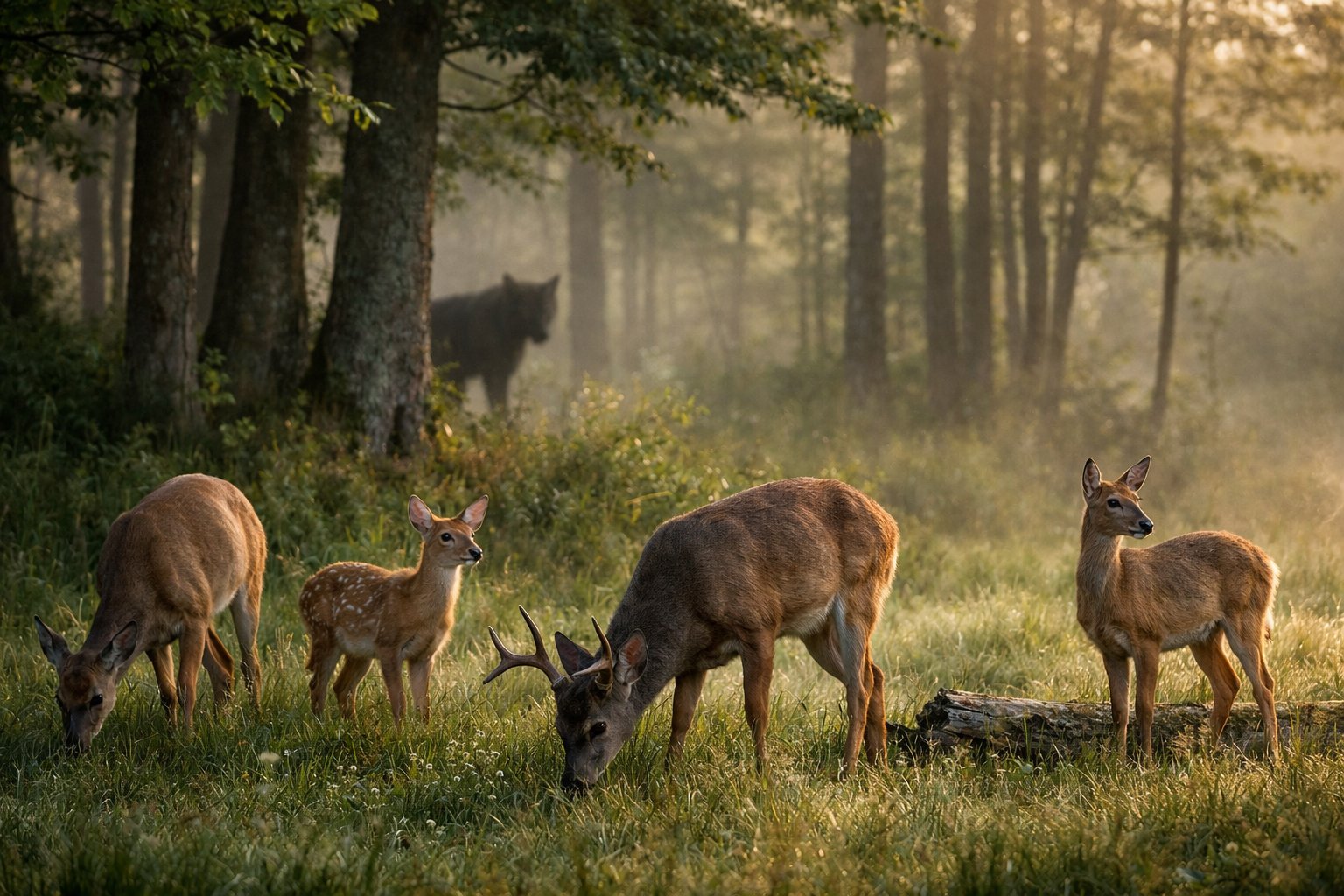
Predators mostly target fawns, which affects future herd size. Coyotes and bobcats take a lot of fawns every season.
Wolves and mountain lions can kill adult deer where they still live. Black bears and grizzlies also hunt young deer, especially in spring.
Predation really depends on the region and the type of cover. Thick brush hides fawns, but open fields leave them exposed.
Predators actually help keep deer populations healthy by taking out weaker animals. If you’re near wild areas, expect more predator activity and keep an eye out for pets and livestock.
Human-Related Mortality
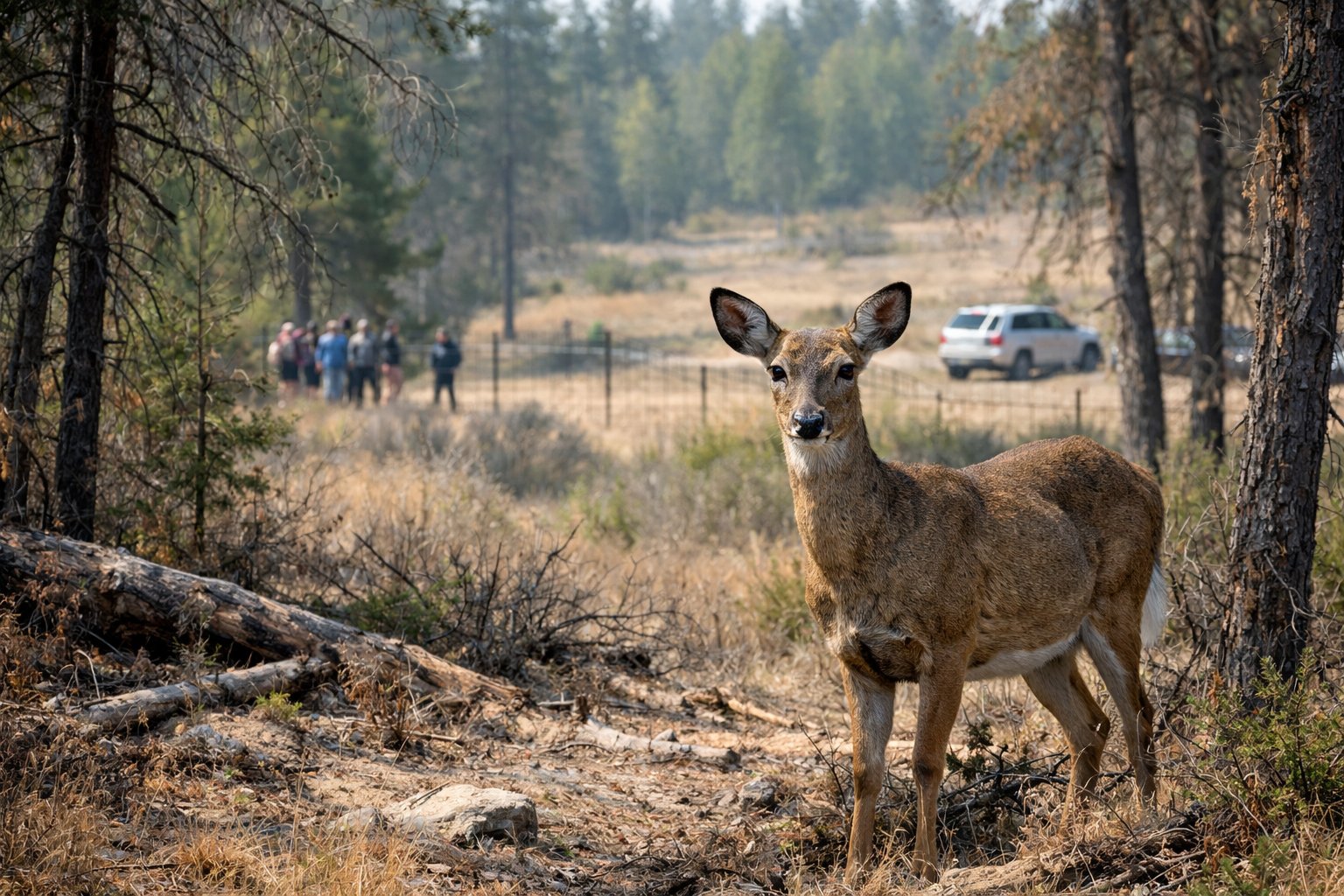
People kill deer through hunting, poaching, and car accidents. Hunting can help control deer numbers, but it gets risky if nobody regulates it or if poaching spikes.
Illegal hunting removes breeding animals and can mess up herd structure. Car collisions go up where roads cut through deer habitat or where deer cross at dusk.
That’s bad news for both deer and drivers. Urban sprawl and fragmented landscapes push deer closer to roads and yards, which increases conflict.
Things like habitat loss, pollution, and feeding deer can make diseases spread faster and change how deer act. It’s smart to follow local rules, drive carefully in deer zones, and report poaching if you want to help your local herd.
Environmental and Population Pressures
Let’s talk about how food shortages, weird weather, and too many deer can stress local forests. You’ll see what wildlife agencies, hunters, and land managers actually do in response.
Food Scarcity and Starvation
Deer rely on a mix of plants all year. In late winter and early spring, you’ll notice fewer nutritious shoots and buds, which means higher risks of malnutrition and starvation.
Fawns and older deer struggle first since they can’t compete for the last bits of good food. The quality of browse really matters.
Native plants like oak saplings and wildflowers pack in nutrition, while invasive shrubs like Japanese barberry don’t offer much. If invasives take over, both food and the insects fawns eat start disappearing.
You’ll spot the effects: thin coats, low weight, and not many fawns surviving to fall. Land managers try to fix this by planting native species and creating open areas for better food during tough seasons.
Climate Change and Severe Weather
Warmer winters and unpredictable storms throw off food timing and raise disease risks. Ticks and biting midges stick around longer, carrying Lyme disease or EHD that can weaken and kill deer.
Bad weather—late freezes, droughts, or deep snow—shrinks food supplies and forces deer into riskier spots. Harsh winters make deer burn more energy just to stay warm.
Droughts slow plant growth, so food runs short before winter even hits. Wildlife agencies keep tabs on these patterns and sometimes tweak hunting seasons or feeding policies.
You’ll probably see deer moving around more as they chase food and milder spots.
Deer Overpopulation and Forest Impact
When predators are scarce and hunting drops off, deer populations can explode past what forests can handle. You’ll notice heavy browsing that strips out young plants and blocks new trees from growing.
Without seedlings, future forest layers just vanish. Overbrowsing lets tough or invasive plants take over and cuts down on biodiversity.
For example, thick deer herds help shrubs like Japanese barberry crowd out young oaks and maples. This damages habitat for birds and other wildlife and even changes the soil and light.
Managers use controlled hunting and targeted culls to bring herd sizes down. On public lands, you might see special hunting seasons or management zones to help forests recover and protect native plants.
Conservation and Management Efforts
Conservation really mixes hands-on habitat work with things like regulated hunting and ongoing monitoring. If you want to help, you can support projects that plant native food sources, create more edge habitats, or pull out invasive plants—anything that gives deer better nutrition and shelter.
Wildlife agencies actually keep an eye on populations through surveys, roadkill numbers, and hunter reports. They set hunting rules and quotas to hit the right deer densities, which helps forests recover and keeps diseases from spreading. On city or suburban land, managers sometimes run controlled hunts or even trap and relocate deer, if the law allows it.
You can pitch in by sticking to hunting rules, letting officials know if you spot sick deer, or backing up habitat restoration on public or private land. Even small actions like these make a real difference for deer conservation in your community.


