
Did you know the old English word for deer was dēor? Back then, it meant any wild animal, not just the elegant creature we think of now.
Dēor once described any wild four-legged animal, not only the deer you picture today. That little shift in meaning says a lot about how folks named animals in the past—and how language changes with the times.
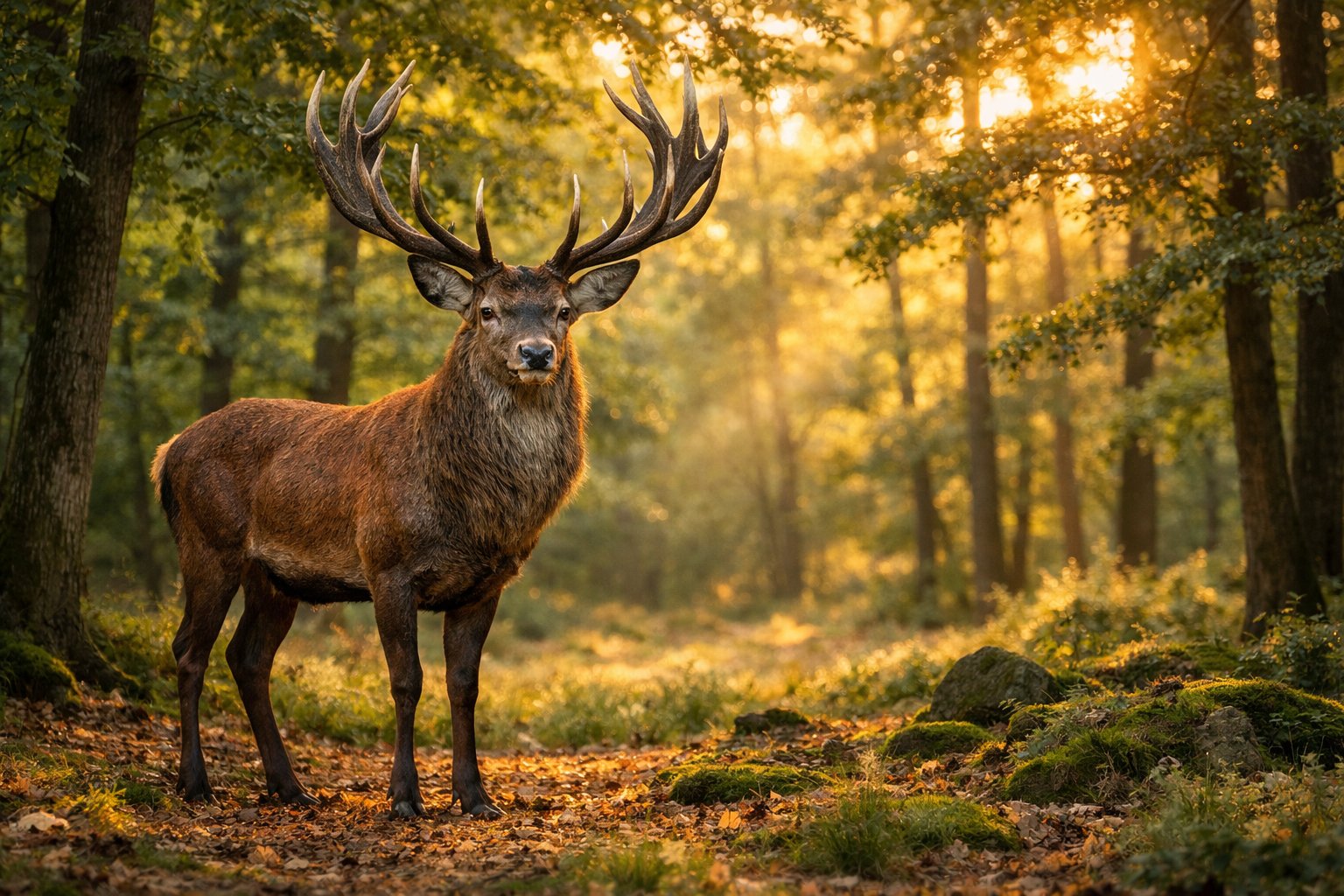
When you look into these old words, you’ll run into terms like heorot (that’s the poetic word for hart) and other Middle English versions. These hint at animals that were once everywhere and the old rhythms of hunting life.
Let’s trace how the word shrank from meaning just “wild animal” to the specific group we now call deer. It’s not just trivia—it actually matters for etymology, symbolism, and the way we use words today.
Old Terms and Historical Usage

Let’s talk about how “deer” shifted from a catch-all for animals to the name for the Cervidae family. You’ll also see a few other Old English words for the different sexes and ages of deer.
It’s interesting—German Tier and Dutch dier share roots with English, too.
Dēor: The Original Old English Word
Old English speakers used dēor for any four-legged animal, not just the deer we know. In early texts, dēor might mean wild beasts, livestock, or even mythical creatures.
The word comes from Proto-Germanic *deuzą, linking it to German Tier and Dutch dier. If you check out Old English poetry or old legal stuff, context usually tells you if dēor means “animal” or a specific game animal.
This word stuck around in Middle English as der, then changed to modern deer. The Oxford English Dictionary actually tracks these shifts and lists some older meanings that faded away.
From Beast to Specific Animal: Semantic Shift
The narrowing of meaning took centuries. Hunting culture pushed deer into the spotlight, so the general term started to focus on these animals.
By Middle English, people mostly used it for the fast, skittish creatures they hunted. New vocabulary and regional habits helped push this change along.
Words like heorot (poetic hart) and terms borrowed after the Norman Conquest made animal names more precise. Dictionaries and etymology books show the shift happened slowly, but by the 15th century, it felt pretty much settled.
Related Old English Words for Deer
Old English had a handful of words for different types, sexes, and ages of deer. You’ll see heorot (hart or stag, especially in poetry), buc (buck, the male), and hind (female deer).
Writers also used more specific words for fawns and yearlings. These terms lived alongside dēor.
When a law or a poem needed to be exact, authors picked heorot, buc, or hind. This mix of words eventually fed into Middle English, and now we have modern terms like buck and hind.
Regional and Linguistic Variations
Expect some variation by region and dialect. Old English dialects sometimes had different pronunciations or even different words.
German tior/Tier and Dutch dier show the same root, but their meanings drifted in other directions. After the Normans, English borrowed some French hunting words and blended them with the old ones.
That mix led to the set of words you’ll find in modern English dictionaries. The Oxford English Dictionary even lists old and regional meanings for deer.
Etymology, Symbolism, and Modern Connections

The old word for deer comes from roots meaning “animal” and “running.” Its story connects to names for male and female deer, and to how people pictured deer in forests and stories.
Development from Proto-Germanic and Related Languages
The Old English dēor comes from Proto-Germanic *deuzan, which meant wild animal or beast.
That root links up with other Germanic words, like German Tier.
You can spot this broad meaning in sources like the deer etymology entry. Nearby languages kept related forms. Old Norse hreinn gave us “reindeer,” which ties back to Proto-Germanic *hrainaz.
Those old roots focus on horned or running animals. That fits the Cervidae family—elk, harts, stags, does—even as the names got more specific.
Introduction of New Terms in Medieval English
After the Norman Conquest, English picked up a bunch of French words like beast and animal.
That shift let the old word shrink from “any wild quadruped” to the specific deer group we know now.
By Middle English, hart (male red deer) and hind (female) became pretty common.
Writers and hunters used stag and doe for the different sexes, and these words stuck around in law, hunting, and literature right into the Early Modern era.
Cultural Significance and Symbolism of the Deer
People often see deer as symbols of grace, beauty, and a sort of untamed wildness in art and stories.
Back in medieval times, folks used words like hart and hind to hint at nobility or purity. The stag, on the other hand, usually stood for courage or virility.
Deer play a big part in ecosystems and forest health, too.
Animals like elk and white-tailed deer actually shape how plants grow and how predators behave, so their cultural importance connects to real-world ecological impact.


