
Ever catch a glimpse of a deer on a trail or at the edge of a field and wonder how long it’s likely to stick around? Most wild deer only make it about 4 to 6 years, but if you’re talking about deer in captivity, they can sometimes reach a decade or even longer. Let’s dig into how species, record ages, and a bunch of other factors can really change those numbers.
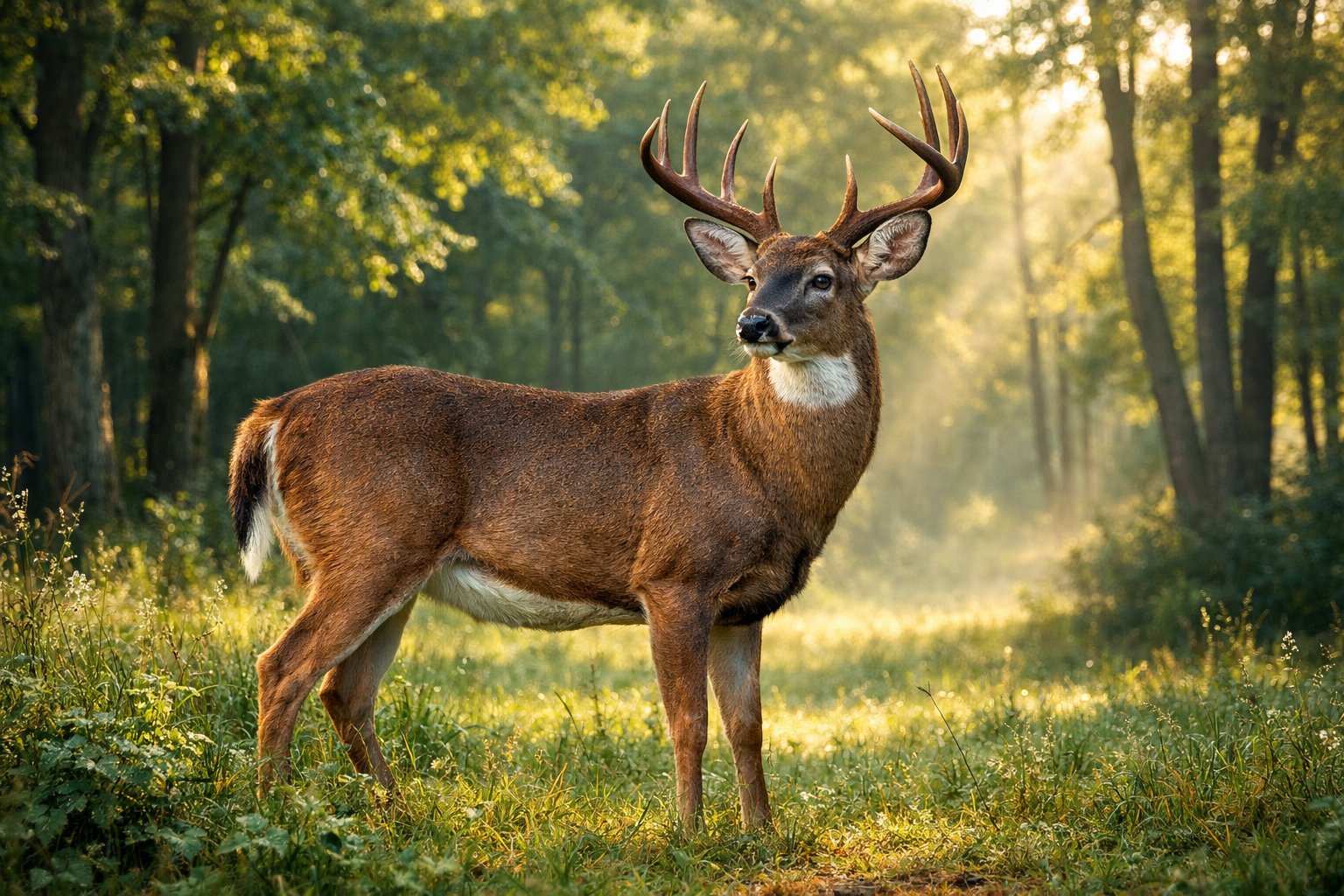
Predators, disease, hunting, and habitat all shape a deer’s lifespan. Bucks and does don’t have the same odds, either.
Here’s what you need to know about how long deer live, what usually cuts their lives short, and what can let them beat the odds.
How Long Do Deer Live: Species, Age, and Records
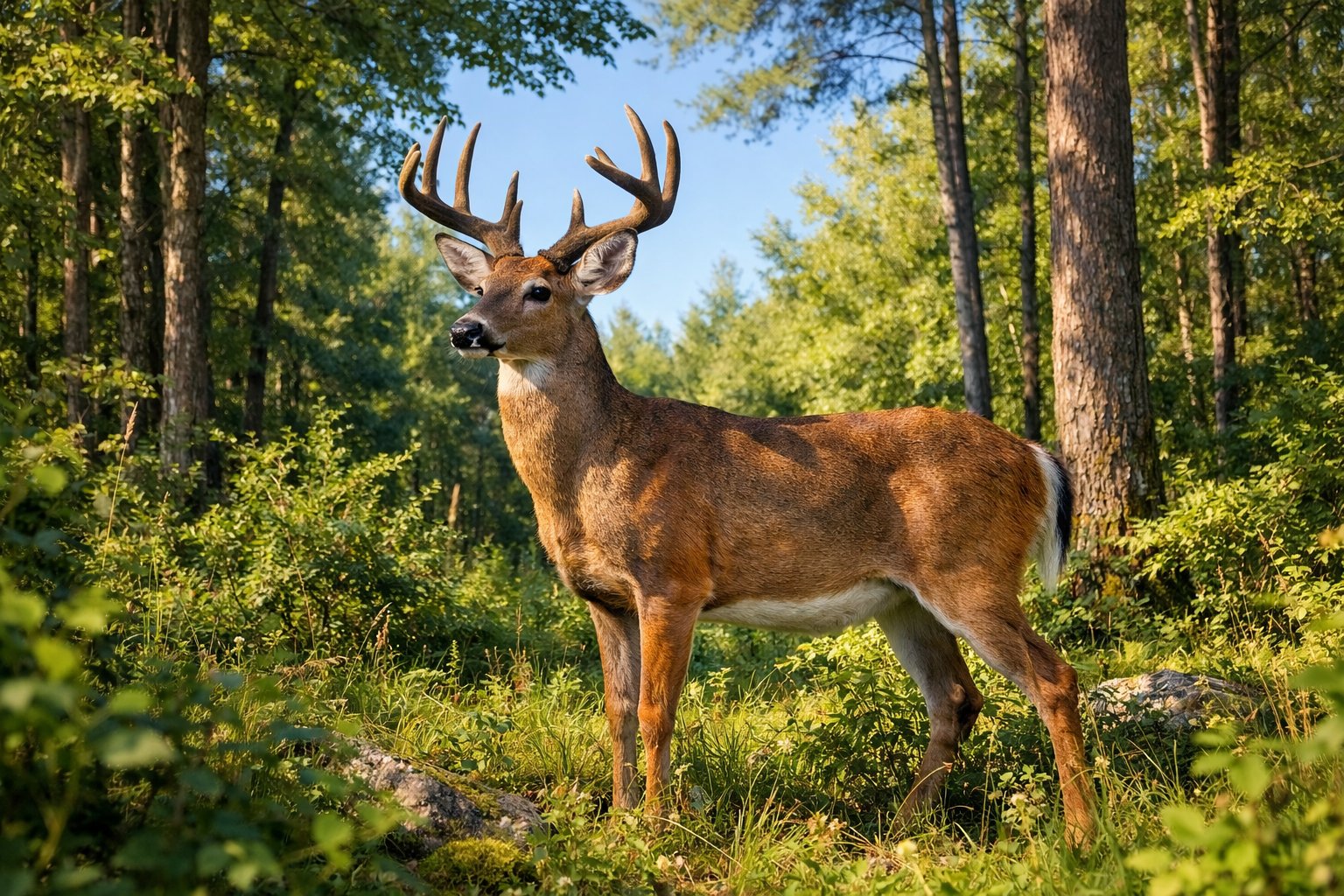
Deer lifespans depend on species, sex, and whether they live wild or in care. You’ll see typical ages for wild deer, what happens in captivity, and which deer have made it to record ages.
Average Lifespan in the Wild
Wild deer almost never make it to their biological max age. Most wild deer get about 4 to 7 years.
Hunting, cars, predators, disease, and rough winters all cut that number down. White-tailed deer in North America usually last around 4–6 years, but in places with heavy hunting, the average can drop even lower.
Fawns have it the hardest in their first year. If they survive that, their odds improve, but bucks generally die younger than does.
Rut stress, fighting, and being targeted by hunters all take a toll on bucks.
Lifespan of Captive Deer
Deer in captivity tend to live a lot longer than their wild cousins. In managed settings, many species hit 10–20 years, thanks to steady food, vet care, and no predators.
Some captive white-tailed and sika deer have even made it past 20 years.
Good care makes a big difference—think parasite control, balanced diet, and shelter from bad weather. But poor management or too much stress can still shorten their lives, so it’s not just about the species.
Age Differences Between Males and Females
Does usually outlive bucks. It’s not really a surprise—does avoid the big risks bucks face during breeding.
Bucks get into fights, hurt themselves with antlers, and burn tons of energy during the rut. All that adds up to higher mortality.
In hunted areas, bucks sometimes only average 2–4 years, while does can make it 5–7 years. Where hunting isn’t a big factor, the gap gets smaller, but the pattern sticks around in most places.
Oldest Deer on Record
A few deer have lived way beyond the average, mostly in captivity.
White-tailed and sika deer have been documented at over 20 years old in managed care. Wild deer don’t make it that long, but some do reach their teens when things go just right.
If you hear about a wild deer living past 20, be skeptical unless there’s proof—like tagging, teeth analysis, or long-term tracking. Good records matter here.
Lifespans of Specific Deer Species
- White-tailed deer: Wild ones usually live ~4–6 years; captive deer can make it to 15–20+ years. The average shifts by state and hunting pressure.
- Mule deer: Wild lifespan is often 6–11 years; in captivity, some reach 15–20 years.
- Red deer (including Scottish red deer): Wild adults often get 6–10 years; in captivity, 15–20 years isn’t rare.
- Roe deer: Wild ones live 5–7 years; captivity can stretch that to 10–16 years.
- Sika deer: Wild averages are about 10–12 years in some places; captive records go over 20 years.
You’ll see these numbers change based on where the deer live, what eats them, what they eat, and how much people interfere.
Factors That Influence Deer Lifespan
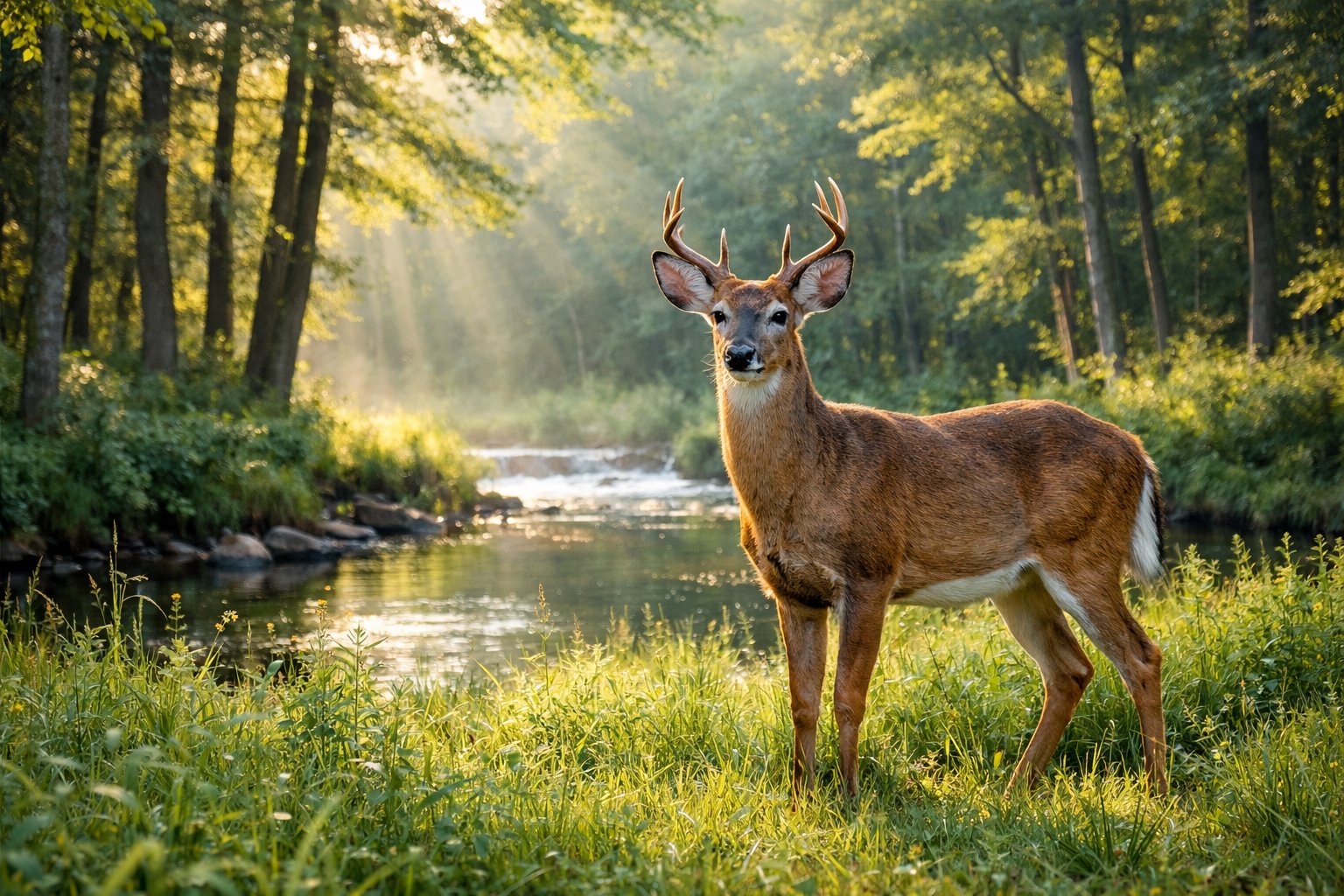
A bunch of things decide how long deer stick around. Predators and hunters take out adults and fawns.
Diseases like CWD and EHD cut survival. Food and habitat matter a lot. Accidents and weather can wipe out whole groups.
Let’s look at how each factor plays a role.
Predation and Hunting Pressure
Predators and hunters both hit deer populations, but in different ways. Mountain lions, wolves, coyotes, and bobcats go after fawns and weak adults.
In places with lots of big predators, deer try to hide in thicker cover. Coyotes can cause big losses in fawn numbers, so fewer young deer make it to adulthood.
Hunters usually take out healthy, prime-age adults. If hunters stick to bag limits and seasons, populations stay healthier.
When hunting isn’t managed, deer lifespans drop and the age and sex balance gets weird. Cars also kill tons of deer, especially near roads in farm country or suburbs.
Disease Impact and Deer Health
Disease can kill deer fast or drag them down over months. Chronic wasting disease (CWD) leads to weight loss and, honestly, a rough end—deer rarely make it once symptoms show.
EHD can cause sudden die-offs in late summer and fall. Bovine tuberculosis pops up in some places and can cause long-term drops where it takes hold.
Parasites like lice and ticks make things worse, especially in winter. Poor food, stress, and other infections pile on the risk.
You can help by not feeding deer and reporting sick animals. Wildlife managers test and track disease to keep things from spreading.
Food Availability and Nutrition
Food quality and quantity really matter for deer. They need protein and energy to grow fawns, regrow antlers, and get through winter.
In farm country, deer often find plenty to eat, which helps them stay healthy and have more young. In poor habitats, deep snow or ice blocks food and causes winter die-offs.
Does in good shape have healthier fawns that survive better. Bad acorn years or long winters drain fat reserves and boost deaths.
Habitat improvements—like adding edge cover or winter browse—can help deer stick around longer.
Human Activity and Environmental Challenges
Human changes mess with deer in a bunch of ways. Roads and neighborhoods cause more deer-vehicle crashes, which is a huge problem near cities.
Fragmented habitat forces deer into small patches, making disease spread easier and hunting less effective.
Development takes away natural wintering spots, so deer end up in worse places. You can help by backing wildlife corridors, supporting lower speed limits in deer zones, and following solid harvest plans.
Feeding deer in town raises their numbers too high, spreads disease, and can cause fights with neighbors or pets.
Weather, Accidents, and Other Risks
Rough weather and accidents can suddenly wipe out lots of deer. Deep snow and ice lead to winter kill, especially if deer can’t reach food.
Droughts mean less food and higher fawn deaths the next spring.
Besides cars, things like getting tangled in fences or wildfires can kill deer, though these usually matter more locally.
After bad weather, predators have an easier time catching weakened animals. Wildlife managers look at weather records when setting hunting seasons or population goals, hoping to avoid big losses in tough years.
Aging and Age Estimation Methods
Estimating a deer’s age helps you get a handle on population trends and decide on hunting rules. In the field, people usually check tooth wear and replacement—this method works alright for younger deer, but it gets pretty unreliable with older ones.
Wildlife biologists often pull a tooth and count cementum annuli, those growth rings. This approach actually gives the most accurate age for older deer.
Age structure can reveal if you’ve got too many young or old animals in a herd. When fawn mortality runs high or hunters take a lot of adults, you end up with a younger age structure and a shorter average lifespan.
Biologists use age data alongside survival and cause-of-death info to spot trends in deer longevity and steer management decisions.
If you want to go deeper, check out some reading on deer lifespan, hunting impacts, disease, and habitat. The Institute for Environmental Research offers an overview of deer life expectancy and threats (what is the average life expectancy of a deer?), and there’s also a practical breakdown of what affects deer lifespan (How Long do Deer Live?).


