
So, is deer meat actually healthier than chicken? Well, venison usually takes the lead for leaner protein and fewer calories. Chicken, though, can bring a slightly wider mix of vitamins and minerals, depending on the cut. If you’re after lower fat and fewer calories with lots of protein, deer meat probably wins. But if you want broader nutrients or just something easier to find, chicken might make more sense.
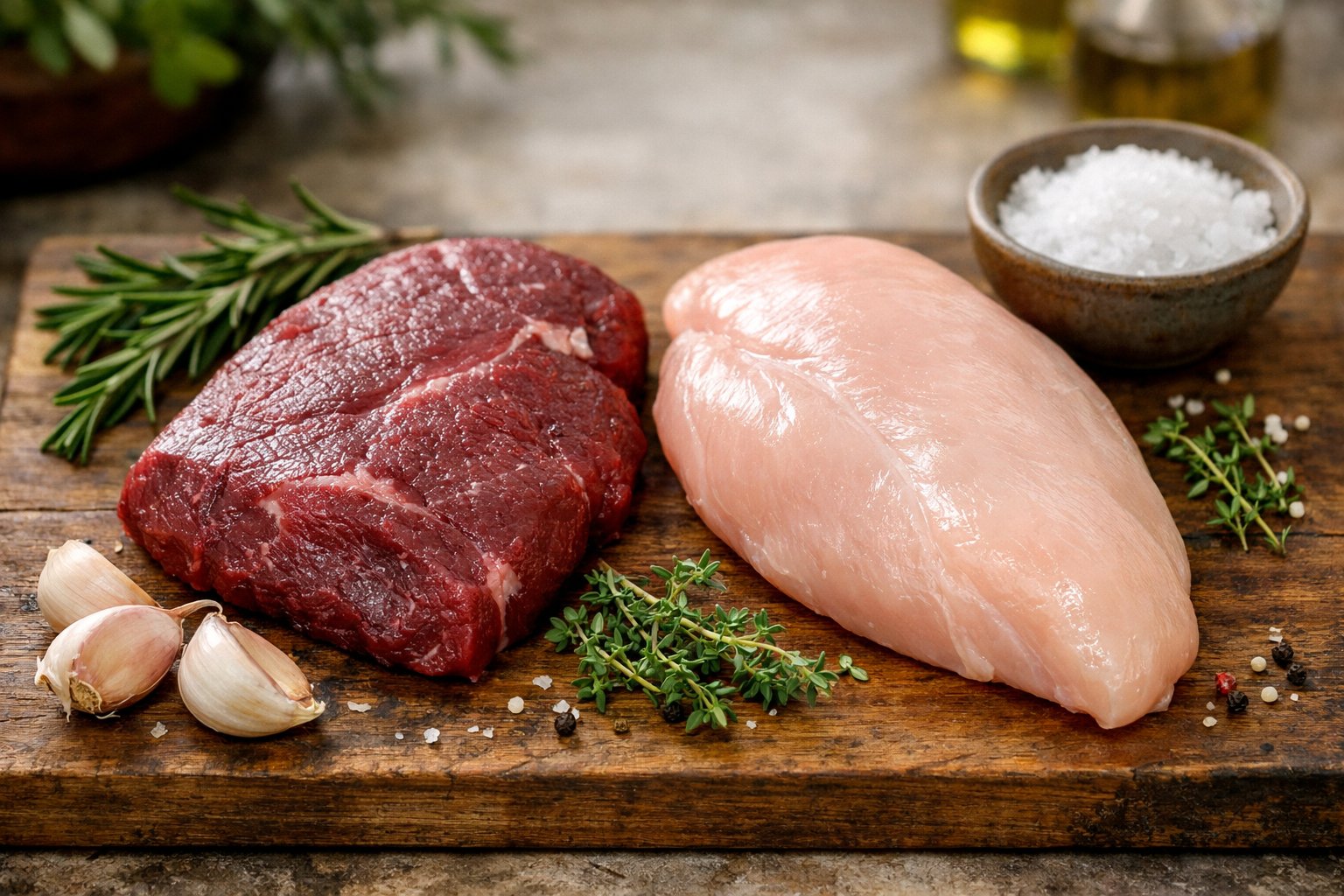
Let’s put them side by side and see what actually fits your goals—and your kitchen. You’ll get the numbers, health points, and some tips for picking and cooking each meat.
Nutritional Comparison of Deer and Chicken
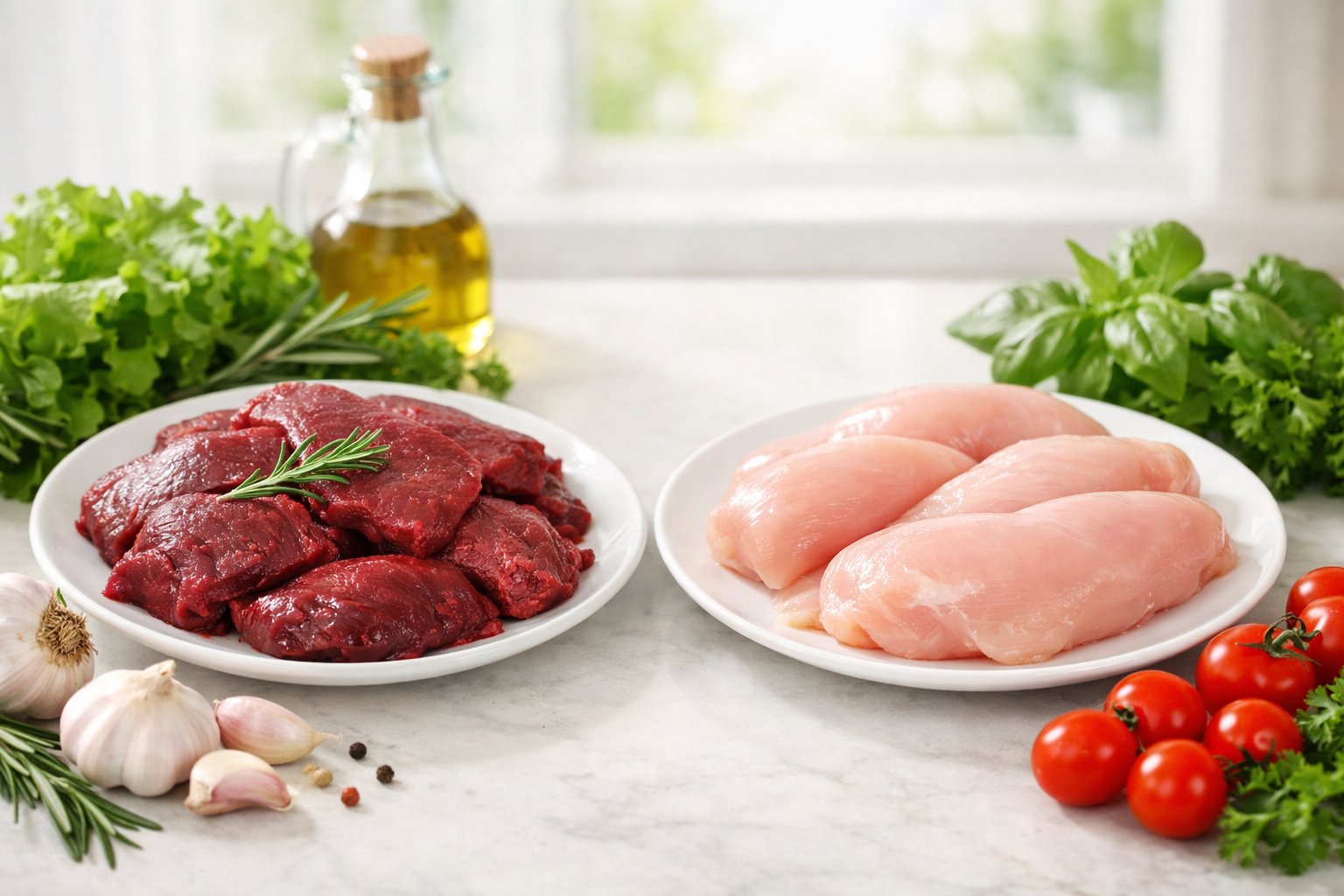
Both deer (venison) and chicken offer lean protein and almost no carbs. They differ in fat content, and in some vitamins and minerals. Venison usually has less fat and more minerals and B vitamins, while chicken often contains more unsaturated fats and selenium.
Protein Content and Quality
Venison and chicken both give you complete, high-quality protein. For every 100 grams, venison normally packs about 29–30 grams of protein, while chicken brings 25–27 grams. So, venison edges out chicken for protein by weight.
You get dense, lean protein from venison tenderloin or chicken breast. Both help build and repair muscle. The protein in both digests easily and supports your body’s needs.
If you want more protein for fewer calories, venison delivers more grams per 100 calories than chicken. That’s handy if you’re aiming for a high-protein, low-calorie meal. Chicken’s still a solid lean protein and, honestly, it’s just easier to find and cook.
Fat Content and Types
Venison is much leaner. A typical venison tenderloin has only about 2–3 grams of total fat per 100 grams. Whole cooked chicken (with skin) can have 13–14 grams or more. If you take off the skin, chicken’s fat drops way down, especially the saturated kind.
Saturated fat in venison sits around 1.1 grams per 100 grams. For chicken with skin, it’s closer to 3.8 grams. If you stick with skinless chicken breast, you cut that way down.
Chicken gives you more unsaturated fats—monounsaturated and polyunsaturated—plus a bit of omega-3 and omega-6. Venison has less unsaturated fat overall, but it still offers a good unsaturated-to-saturated ratio. If you want to lower total and saturated fat, venison fits better. If you’re after more unsaturated fat for cooking or flavor, skinless chicken or boneless thighs are a nice middle ground.
Vitamins and Minerals Breakdown
Venison usually gives you more B vitamins and minerals per 100 grams. You’ll see more vitamin B12, riboflavin (B2), thiamine (B1), and B6 in venison than in similar chicken cuts. Venison, in particular, packs a lot of vitamin B12, which helps with red blood cells and nerve health.
Venison also brings more iron, zinc, copper, and phosphorus per serving. That’s a plus if you need more iron or zinc. Chicken, on the other hand, often provides more selenium, so it’s a better choice if you want that. Potassium and magnesium vary, but venison often has more potassium.
Calorie Differences
Calories jump around depending on the cut and how you cook it. Venison tenderloin usually lands at 140–150 calories per 100 grams. Cooked chicken with skin runs about 230–240 calories. Skinless chicken breast is closer to 110–165 calories, depending on how you make it.
Since venison’s leaner, you get fewer calories per serving with similar protein. That’s helpful if you’re watching calories. Chicken thighs or fried chicken can bump up the calories fast, especially with added fats. Picking lean cuts and lighter cooking methods keeps your calorie count in check.
Health Implications and Dietary Considerations
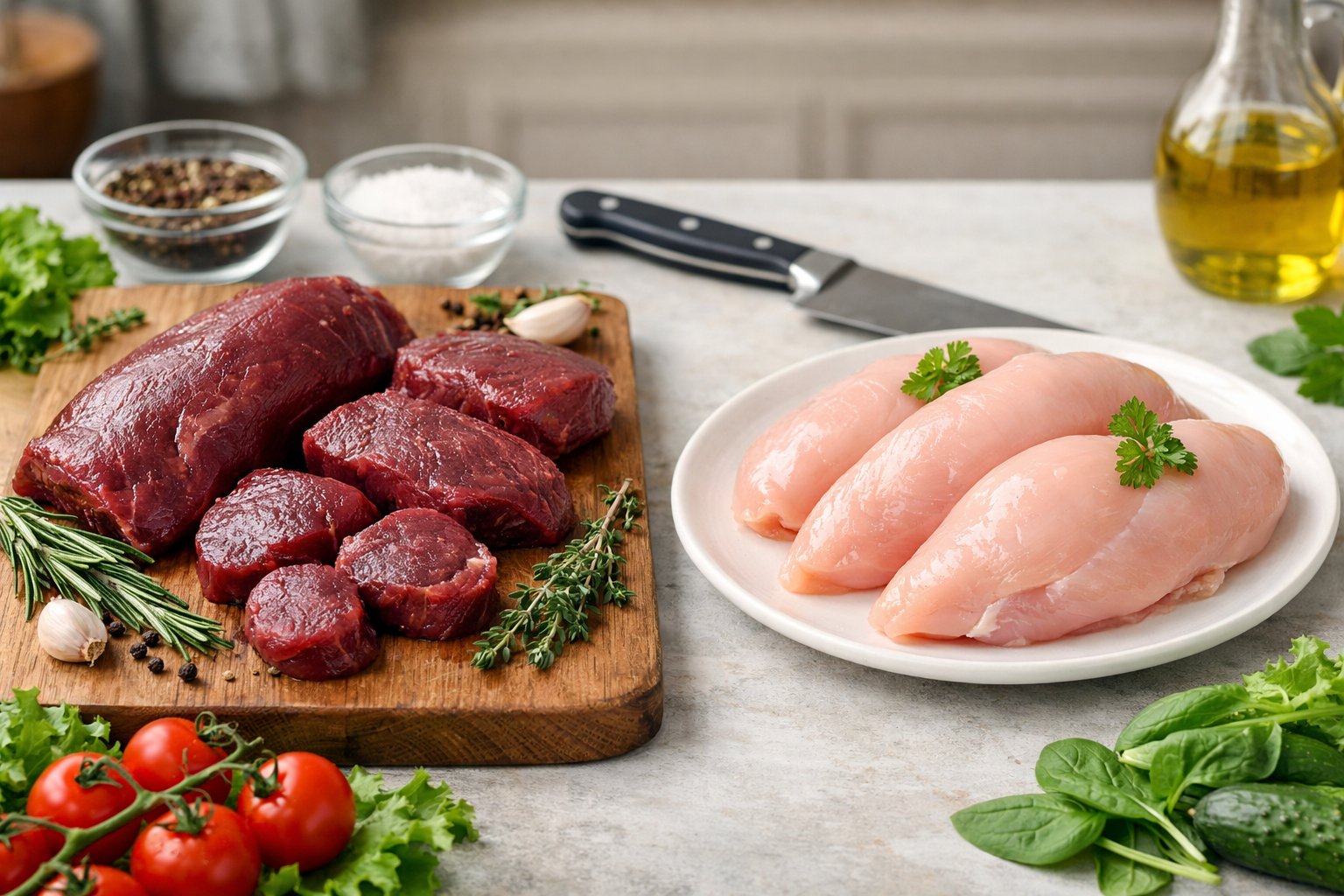
The two meats have their own pros and cons when it comes to fat, iron, and safety. Venison brings lower fat and more iron. Chicken’s got a milder flavor, is everywhere, and usually has fewer wild-animal disease risks.
Heart Health and Cholesterol Levels
Venison is leaner than most chicken cuts, especially compared to dark meat or fried chicken. You get fewer calories and less saturated fat per serving, which helps lower your saturated fat intake and can support healthier cholesterol.
Skinless chicken breast offers more monounsaturated and polyunsaturated fats, which are good for your heart. If you eat chicken with skin or fried, though, you’ll raise your saturated fat and calories, which isn’t great for blood lipids.
If you’re trying to manage heart disease or high LDL cholesterol, stick with trimmed venison or skinless chicken breast. Use low-fat cooking methods, and balance your plate with veggies, whole grains, and fiber to help your cholesterol.
Potential Health Risks and Safety
Wild venison sometimes carries risks that farmed chicken doesn’t. Wild deer can get chronic wasting disease (CWD), so don’t eat meat from deer that look sick, and follow local testing guidelines. Bad field dressing or storage can lead to foodborne illnesses like Salmonella or E. coli.
Farmed venison lowers some risks but may still have issues if farmers use antibiotics. Chicken, especially from large farms, can also carry antibiotic-resistant bacteria and common pathogens if undercooked.
Cook both meats to safe internal temps—165°F (74°C) for chicken, 145°F (63°C) for whole cuts of venison, plus a rest time. Handle meat safely to avoid cross-contamination. Freezing, proper testing, and buying from trusted sources all help lower your risk of pathogens and CWD.
Dietary Needs and Suitability
If you struggle with iron deficiency anemia, venison gives you more heme iron per serving than chicken. Your body absorbs that iron pretty well, especially if you eat it with foods rich in vitamin C.
Athletes or folks with higher protein needs might like venison’s slightly higher protein per ounce in certain cuts. It’s a small difference, but sometimes that matters.
If you’re on a strict budget, need something quick, or just want a milder flavor, chicken probably fits your routine better. Both meats offer protein for muscle repair and metabolic health, yet venison’s extra zinc and iron give it a slight edge for immune support.
Try mixing things up: rotate your meats, eat plenty of plant foods, and keep an eye on portion sizes. Go for wild or farmed venison depending on local testing and handling, and pick pasture-raised or well-regulated chicken if you want fewer worries about antibiotics and food safety.


