
You’ll spot deer feeding most often at dawn and dusk, with their activity really picking up in those in-between hours. If you want to catch deer while they’re eating, aim for just before sunrise and right after sunset.
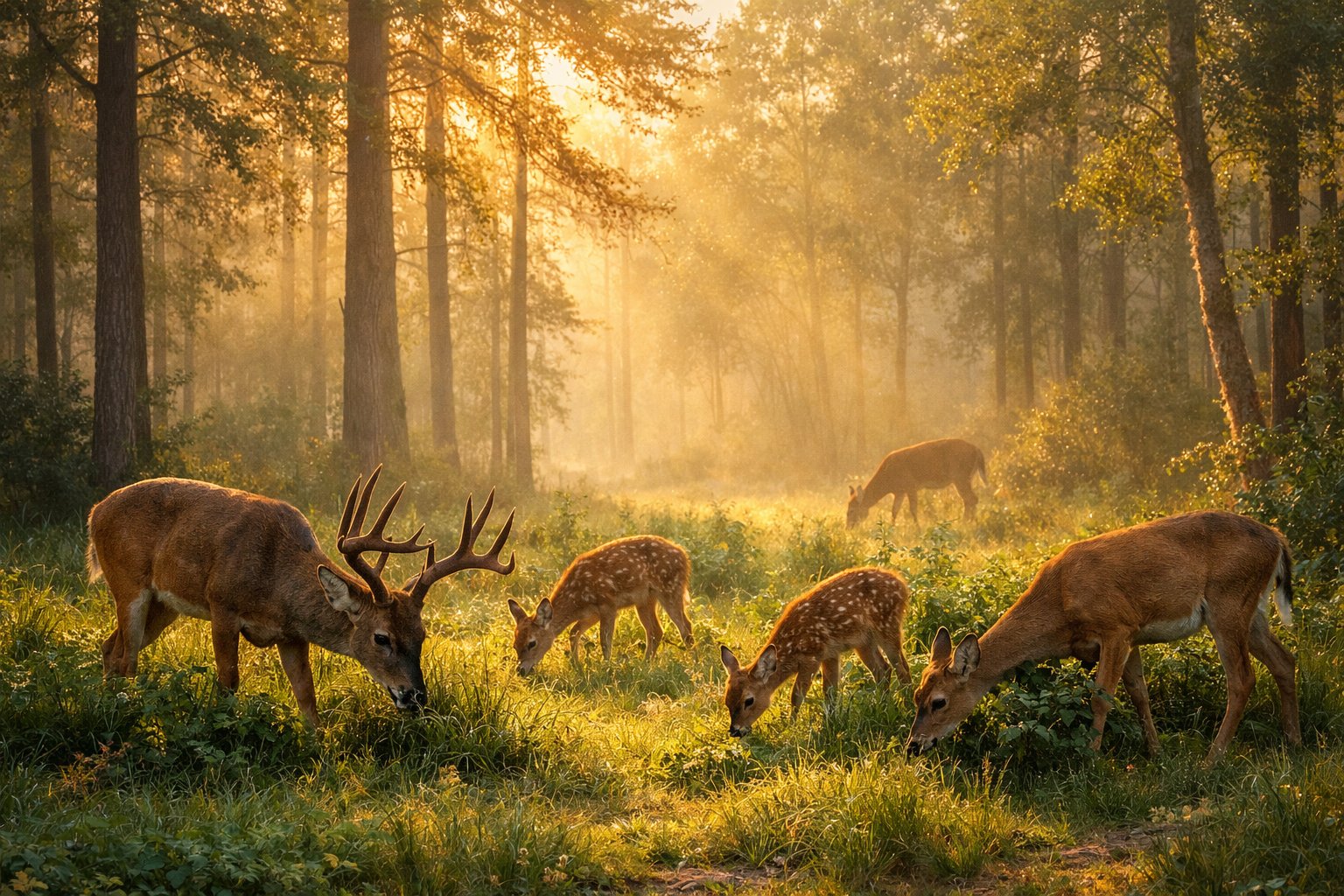
Weather, season, and human activity can nudge deer to eat at other times—sometimes at night or even midday. You can start picking up on those shifts if you pay attention.
This article will help you figure out when deer stick to their usual crepuscular routine and when they mix things up.
Use these tips to line up your schedule with deer behavior. That way, you’ll have a much better shot at spotting or hunting them when they’re actually out eating.
Deer Feeding Times: When Are Deer Most Active?

Deer usually feed when the light is low, but they’ll shift their schedule depending on safety, weather, and where they can find food. You’ll see the most obvious patterns at dawn and dusk.
Daytime or nighttime activity depends on things like moonlight and changing conditions.
Dawn and Dusk: The Prime Feeding Windows
Dawn and dusk are when deer really get moving to eat. You’ll probably notice them leaving their bedding spots just before sunrise or right after sunset.
These times give them enough light to spot food, but there’s still enough cover to keep them hidden from predators—and people.
Try scouting or hunting about an hour before and after sunrise or sunset. You’ll often catch deer traveling from their beds to feeding areas then.
In spring and summer, deer make quick feeding trips. In fall, especially during the rut, bucks move more and spread out their activity.
Daytime and Nocturnal Feeding Activity
Deer sometimes feed during the day and at night, especially if something pushes them to do it. If you’re in a quiet area without much human activity, you might catch deer eating midday near thick cover.
When hunters or people are around, deer tend to wait until night to feed. Nocturnal feeding ramps up in the hotter months or when food is tough to find.
Try using trail cameras at night, or set up thermal and infrared gear to spot these patterns. You’ll notice more nighttime movement where people or predators are common.
Influence of Moon Phases and Weather
Bright moon phases usually mean more nighttime feeding—deer can see better with extra light. If you’re tracking deer, watch for full or bright waxing moons; they often push feeding into the night.
When the moon is darker, more movement happens at dawn and dusk. Weather changes things too.
Deer often eat more before storms roll in, but they’ll move less if it’s pouring rain, snowing hard, or the wind’s howling. Cold snaps can get deer feeding in the daytime since they need extra calories.
Keep an eye on barometric swings and sudden temperature drops. Those can shake up deer movement pretty quickly.
For more about twilight feeding and how the seasons affect things, check out this overview of deer feeding times and daily patterns.
Factors Affecting Deer Feeding Patterns

Deer change up when and where they eat depending on daylight, weather, how much food is around, and what kind of risks they face. Hunters and predators can really throw off their routines.
You’ll see how the seasons affect feeding, why bedding areas and food plots matter, and how outside pressure makes deer adjust their patterns.
Seasonal Changes in Feeding Habits
In spring and summer, deer go for high-protein leaves and new plant growth. You’ll spot more daytime feeding when nights are short and the weather’s mild.
Fawns need richer food, so does and bucks in velvet hit fields and edges near cover, feeding a few times a day. In fall, bucks move more during the rut and sometimes feed at weird hours while chasing does.
As days get shorter, deer stretch out their twilight feeding. Winter’s a different story—deer need to save energy, so they stick to woody browse and mast like acorns, stay near bedding, and avoid long walks to keep warm.
Hot summers push deer to feed at night when it’s cooler. Snow and ice make food harder to reach and force deer into more predictable feeding spots.
Role of Bedding Areas and Food Plots
Bedding areas are where deer feel safe and rest. Most of the time, you’ll find them feeding within 100–300 yards of these beds.
Thick brush, conifers, or steep hills give them cover and protection from the wind. Deer tend to make short, frequent trips to nearby food from these spots.
Food plots are reliable feeding sites you can actually manage. If you plant clover, chicory, brassicas, or winter rye, you’ll attract deer year-round.
You’ll notice stronger deer patterns when plots sit close to bedding and travel routes. Deer use these plots at dawn and dusk, or at night if they feel pressured.
Try putting plots downwind of bedding areas and leave some escape cover in between. This setup encourages deer to use them regularly and keeps their feeding times pretty predictable.
Impact of Hunting Pressure and Predator Presence
Hunting pressure really pushes deer to become more nocturnal. When hunters spend a lot of time on a property, deer just start feeding at night to dodge people.
You’ll probably notice fewer deer out during the day in these high-pressure times. Instead, your trail cameras will pick up more movement after dark.
Predators like coyotes also shake up how deer act, especially when it comes to fawns and does. In areas with a lot of predators, deer choose thicker bedding spots and keep their feeding trips short.
They also seem to prefer feeding when predators aren’t as active. When you add in human activity, deer will bed even closer to dense cover and only hit up food plots for quick snacks.
If you want to figure out when deer are feeding, pay attention to local hunting schedules, your trail camera footage, and signs of predators. All those little clues can help you guess whether deer will stick to dawn and dusk or sneak out at odd hours.


