
Ever imagine a tiny deer straight out of a storybook? That little deer is called a pudu — officially the world’s smallest true deer, and it lives in parts of South America.
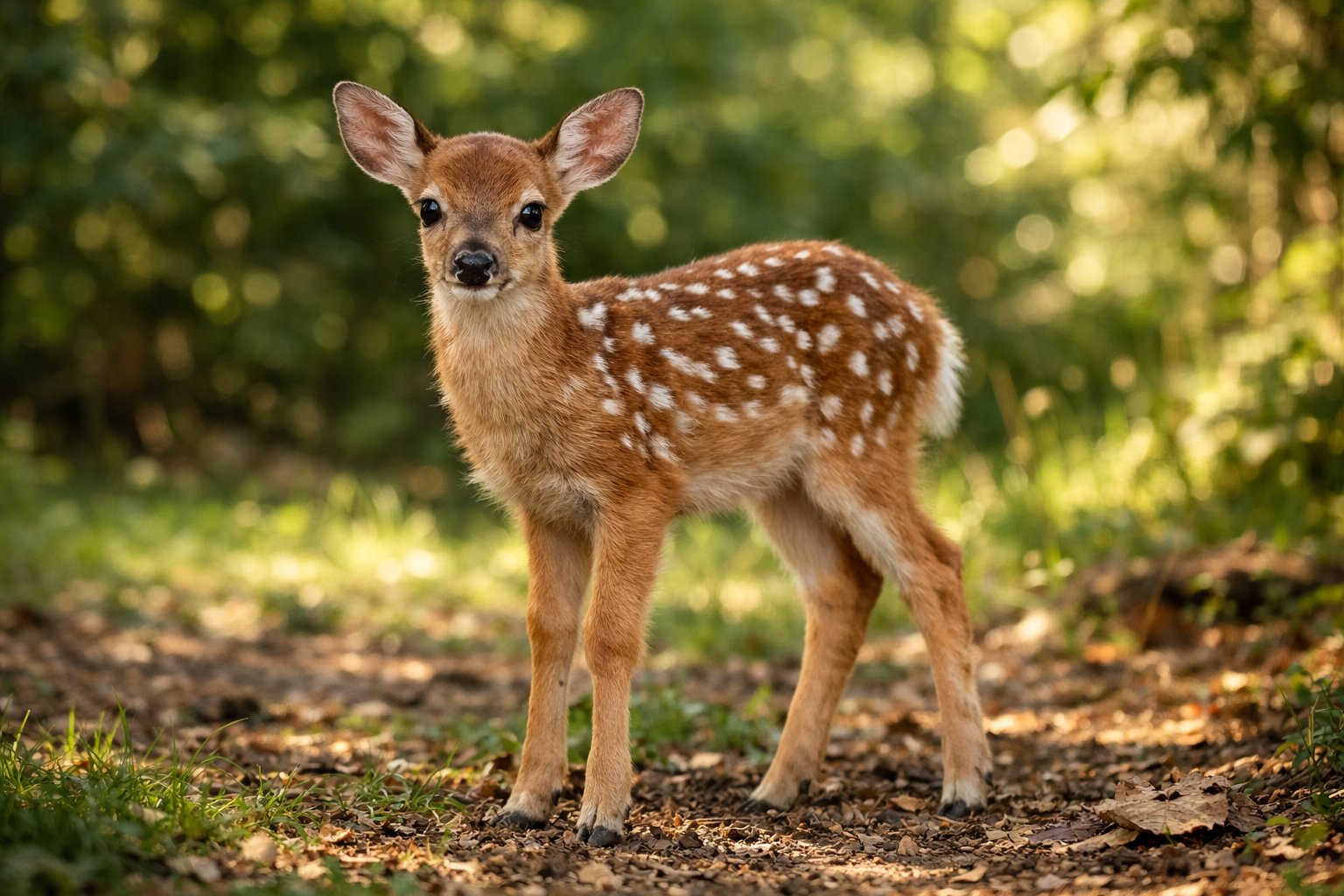
Let’s take a look at how pudus live, where they hide out, and why folks care about saving them. You’ll get some simple facts about their size, their quirky habits, and the threats they face—just enough to see what makes them so special.
Why do these little deer grab so much attention? And what are people actually doing to help them stick around?
What Is a Small Deer Called?
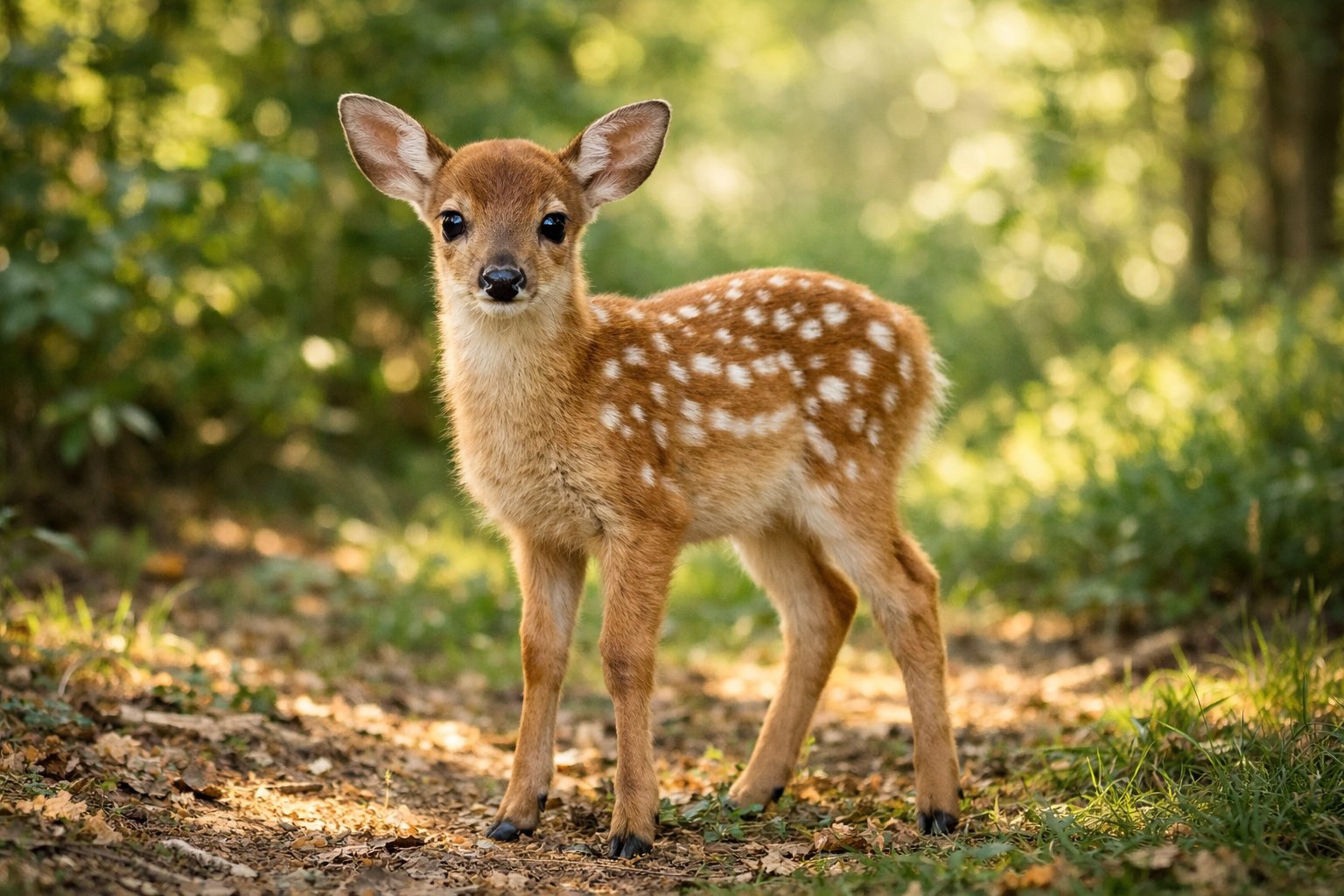
When someone mentions a small deer, they might mean the tiniest species or just a young deer of a bigger kind. Let’s figure out which species really count as miniature and how the names change depending on age, sex, or even region.
Pudu: The Smallest Deer Species
Pudus hold the title as the world’s smallest true deer. You’ll spot two species in South America: the Southern Pudu in Chile and Argentina, and the Northern Pudu up in Ecuador, Peru, and Colombia.
Adults stand only about 12–14 inches (30–40 cm) at the shoulder and weigh somewhere between 14–30 pounds (6–14 kg). Their coats lean reddish-brown, and males grow these tiny, simple antlers.
These deer stick to dense temperate rainforests and hide deep in the underbrush. They munch on leaves, shoots, fruit, and bark.
Males and females tend to keep to themselves. Habitat loss and roaming dogs really hurt their numbers, so conservation groups have started protecting forest patches and trying to keep threats at bay.
Other Notably Small Deer Species
A handful of other deer come in small packages too. Muntjacs—sometimes called barking deer—are little Asian deer, around 16–26 inches tall. Males sport short antlers and even little canine tusks.
The Visayan spotted deer from the Philippines is both compact and endangered. Indian hog deer and Chinese water deer are short and stocky; Chinese water deer stand out because males skip the antlers and show off tusk-like teeth instead.
Chevrotains, or mouse-deer, don’t actually belong to the deer family, but they’re tiny, rabbit-sized ruminants found in Asia and Africa. They measure under 18 inches and weigh just 4–6 kg.
Roe deer and some small subspecies of white-tailed deer or chital (axis deer) also count as smaller members of the deer family in certain spots.
Naming Conventions for Small and Baby Deer
Names change with age, sex, and species. Most folks call a baby deer a fawn, though in some places or species you might hear calf or kid.
Adult males go by buck, stag, bull, or hart, depending on the species and their size. Adult females are usually called doe, hind, or cow.
People sometimes say “miniature deer” or “small deer” for the tiniest species, but scientists stick to the official names.
When you talk to others, just use simple words: “fawn” for most babies, “buck” for small males, and “doe” for females. If you want to get specific, say the species too—like “pudu fawn,” “muntjac buck,” or “Visayan spotted deer doe”—so there’s no mix-up.
Pudu: Habitat, Behavior, and Conservation

Pudus are tiny deer living in dense mountain and coastal forests in South America. Let’s dig into where they roam, what they do, what’s on their menu, and why they need a hand.
Native Range and Preferred Environment
Pudus stick mostly to the Andes and temperate rainforests. The southern pudu (Pudu puda) calls southern Chile and southwest Argentina home, from sea level up to about 2,000 meters.
Northern pudus (Pudu mephistophiles) show up in Colombia, Venezuela, Ecuador, and Peru, usually at higher elevations—think 2,000–4,000 meters.
They like thick understory, bamboo patches, and spots with lots of ferns and shrubs to keep them hidden. You’ll find them weaving through dense vegetation and hopping over fallen logs, using narrow paths as their trails.
Many pudus also hang out on islands or in protected valleys where the weather stays cool, wet, and rainy.
Physical and Behavioral Traits
Pudus are seriously tiny—just about 32–45 cm tall and weighing 3–13 kg, depending on age and species. Their coats are reddish-brown, sometimes darker in winter, and their ears are small and rounded.
Males grow short, unbranched antlers, while females don’t get any.
These deer act pretty shy and prefer to be alone. They mark territory with dung piles and scent glands on their faces.
You’ll catch them being most active at dawn and dusk, moving cautiously, and freezing or barking if something scares them. Mothers hide their fawns deep in the brush; the babies have spotted coats for camouflage and grow up fast.
Diet and Feeding Habits
Pudus eat mostly low plants. Their menu includes leaves, shrubs, vines, ferns, bark, fallen fruit, berries, and even fungi.
They browse close to the ground but sometimes stand on their hind legs or push down saplings to snag higher leaves.
You’ll see pudus shift their diet with the seasons. In wet forests, they get a lot of water from juicy plants and fruit, so they don’t need to drink as often.
In captivity or conservation centers, keepers feed them a mix of browse, fruits, and special pellets to mimic what they’d eat in the wild.
Threats and Conservation Efforts
Pudus deal with habitat loss as people clear land, cut down forests, and fragment their homes across Chile, Argentina, and parts of the northern Andes. Hunters and both introduced and native predators make things even tougher for them.
The IUCN Red List marks the southern pudu as Near Threatened. The northern pudu? There just isn’t enough data yet, so researchers really need to dig deeper.
Conservation groups have set up protected areas and started captive breeding and reintroduction programs. Universities and zoos actually run these breeding efforts and use radio-tracking to follow released pudus in the wild.
If you want to help, you can support protected-area enforcement or join up with habitat restoration projects. Every bit helps pudu populations bounce back, even if progress feels slow sometimes.
Curious about their biology or where they live? Check out the Pudu Wikipedia page for all the details.


