
You spot deer near your yard or on a trail and probably wonder if they actually get along with people. Most deer want nothing to do with you, but in places where they see people and food a lot, they sometimes get weirdly calm and might even come closer.
Let’s dig into when deer keep their distance and when they don’t. That way, you’ll know what to expect and how to act if one wanders nearby.
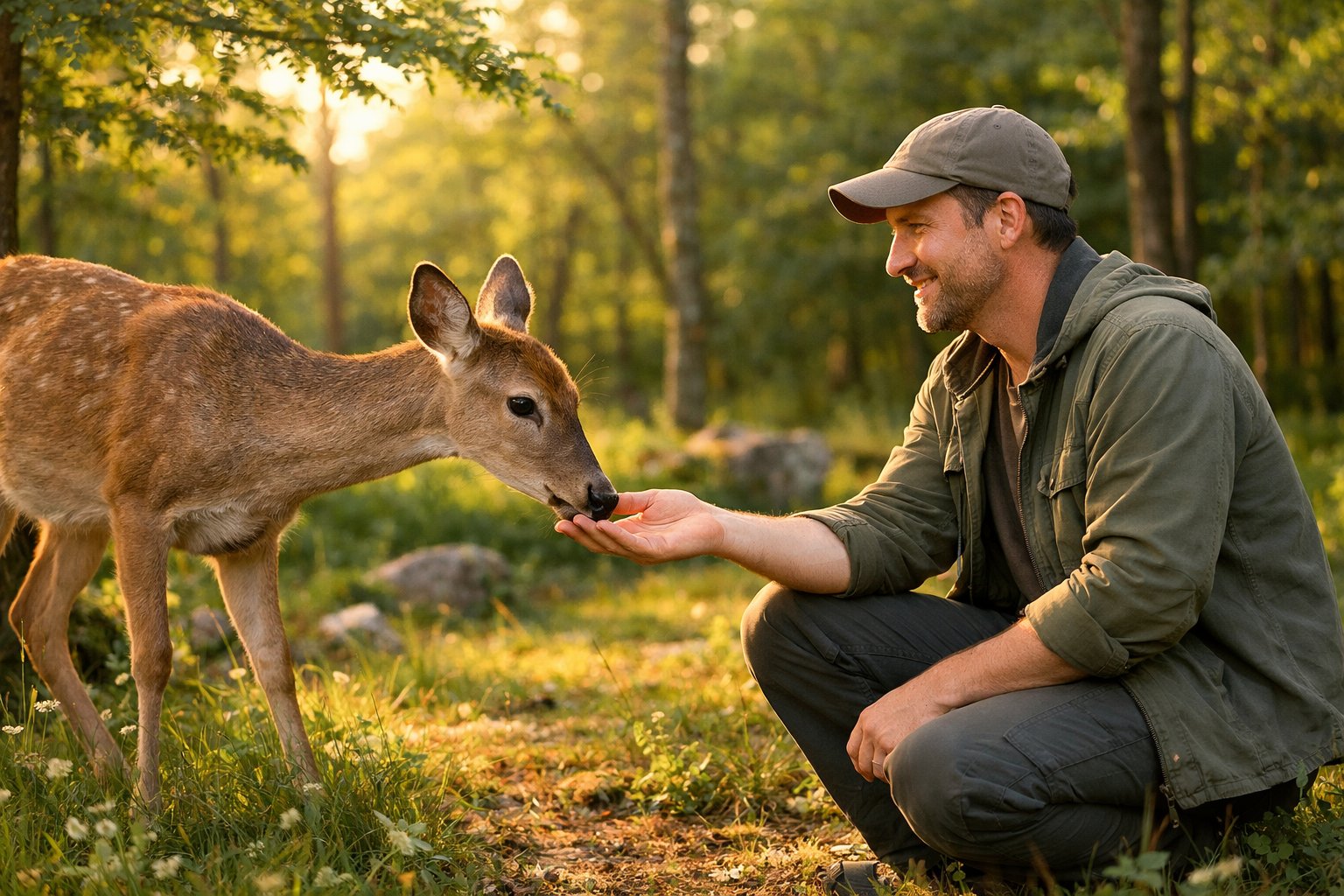
You’ll get a sense of why deer act so differently around people—things like losing their fear from being fed, changes in their habitat, and even the time of year. I’ll walk you through real situations where deer act tame or stay wild.
That context should help you decide how to protect your garden, keep pets safe, and enjoy wildlife without causing headaches.
Key Factors Influencing Deer and Human Relationships
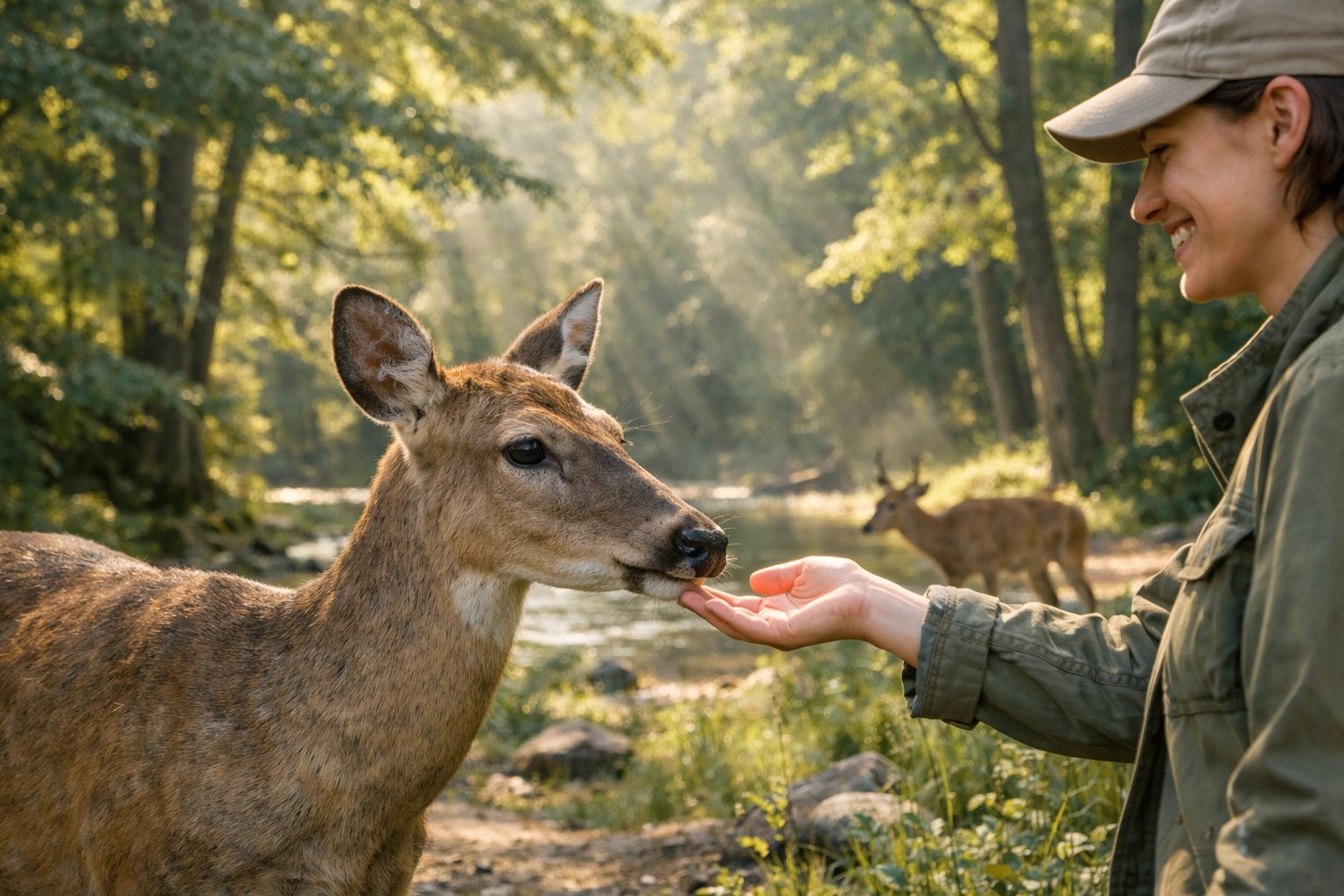
Deer usually want to avoid people. How they act around you depends on their instincts, whether someone’s fed them before, and if they live wild or in captivity.
These things also affect risks like car crashes, tick-borne diseases, and aggressive behavior during the rut.
Natural Deer Behavior Toward Humans
Deer act as prey animals and rely on a strong flight response. When you see a deer freeze, stare, or suddenly bolt, it’s just trying to figure out if you’re dangerous.
Does with fawns will defend their territory and can get aggressive if you get too close to their young.
Deer move around most at dawn and dusk, so you’re more likely to spot them on roads then. Urban deer might let people get closer because they have to navigate neighborhoods, but that doesn’t mean they’re friendly.
If a deer comes toward you, just back away slowly and give it space.
Deer carry ticks that can spread Lyme disease. Lower your risk by avoiding tall grass, checking your clothes and skin after being outside, and not handling deer or carcasses without protection.
Role of Habituation and Feeding
When you feed deer, they start to connect people with food. This habit makes them lose their fear and can lead them to act bold around yards or roads.
Deer that get used to people often damage gardens, raid bird feeders, and cause car accidents.
Handouts also mess with their diet and health. Food from people usually isn’t as good as what they’d find naturally, and it can spread disease when deer gather in groups.
A lot of places ban feeding deer for these reasons, so check your local rules before putting out food.
To stop deer from getting used to people, remove things that attract them: lock up garbage, bring in pet food, and don’t feed them on purpose.
Try planting deer-resistant plants and using repellents to protect your landscape instead of leaving out food.
Differences Between Wild and Captive Deer
Wild deer live in changing environments. Predators, seasons, and food all shape how they act.
You’ll notice wild deer act wary, show aggression during the rut, and fiercely protect their young. Their movements help spread out the population and keep disease risk lower.
Captive deer, like those on farms or in urban pens, deal with different problems. They have less space, which means more contact and a higher chance of diseases like chronic wasting disease (CWD).
Captive deer often lose their natural fear of people and depend on the food provided.
If you run into captive deer, treat them as unpredictable. They might seem tame, but they can react suddenly.
For their health, don’t feed or try to catch captive deer—call wildlife or facility managers instead.
Risks and Safety in Deer-Human Encounters
You face a few risks: car crashes, bites or kicks, and tick-borne illnesses. Most injuries happen when deer feel trapped, during the rut, or when people try to touch or feed them.
Keep your distance, especially from bucks in rut and does with fawns.
Protect your yard and pets with sturdy fences and by removing food attractants. When you’re driving, slow down in deer-heavy areas at dawn and dusk.
If you spot a deer that’s hurt or acting strangely, report it to wildlife officials instead of trying to handle it yourself. That way, you avoid disease exposure and possible injury.
If you hunt or handle deer meat, follow local guidelines for CWD testing and use gloves when field-dressing. These steps help protect you and the deer population.
Notable Examples and Special Circumstances
Let’s look at where deer tolerate people, when they become tame, and what happens if someone tries to keep a deer.
These situations highlight risks, legal issues, and some real-life examples you might find familiar.
Deer Behavior in Urban and Park Settings
In cities and suburbs, white-tailed deer and fallow deer use gardens, greenways, and small wooded areas for food and shelter.
You’ll spot them near roads early in the morning or late in the evening. Wildlife experts warn that when deer lose their fear of people because they find food, the risk of car collisions goes up and deer change where they roam.
Public parks attract deer too. In places like Nara Park, sika deer act extremely tame and will walk right up to visitors for food.
That kind of tameness came from years of feeding and cultural habits. If you live near deer, get rid of attractants, drive slowly in deer areas, and follow the local rules about feeding to avoid problems.
Taming, Keeping, and Petting Deer
Petting or feeding wild deer leads to trouble pretty fast. A fed deer will keep coming back and might get bold around people and pets.
Does with fawns can get defensive if you approach, and bucks during rut can act aggressive. Wildlife experts say you shouldn’t try to touch deer to avoid bites, kicks, and tick exposure.
If you see tame deer, keep your distance and stop feeding them. Use fences to protect your garden.
Teach kids not to run at or chase deer; chasing can make deer act defensively. Local laws often ban feeding in parks or neighborhoods, so check the rules before you do anything.
Deer as Pets and Domesticated Deer
Honestly, keeping deer as pets isn’t as simple as just bringing one home. Rules vary a lot—some places let people keep domesticated deer with permits, but others say no way.
If you’re thinking about animals like elk, moose, or red deer, you’ll need a ton of space and a really big enclosure. Their diets aren’t straightforward either, and finding a vet who actually knows what they’re doing? That’s another hurdle.
You’ll probably have to deal with strict fencing rules and sometimes even disease testing, depending on where you live. The costs can add up fast, and the legal hoops aren’t exactly fun.
Even if you manage to get a domesticated deer, they still act wild more often than not. They get stressed out easily, too.
It’s a good idea to reach out to local wildlife agencies and talk with a licensed vet before you try keeping any kind of deer.


