When a deer starts following you, it can feel weird—maybe even a bit unsettling. But you can handle it. Try to keep your voice gentle, avoid locking eyes, and back away slowly while glancing around for easy exits.
If the deer keeps coming, put more space between you and it. Get help from others nearby or reach out to park staff if you can.
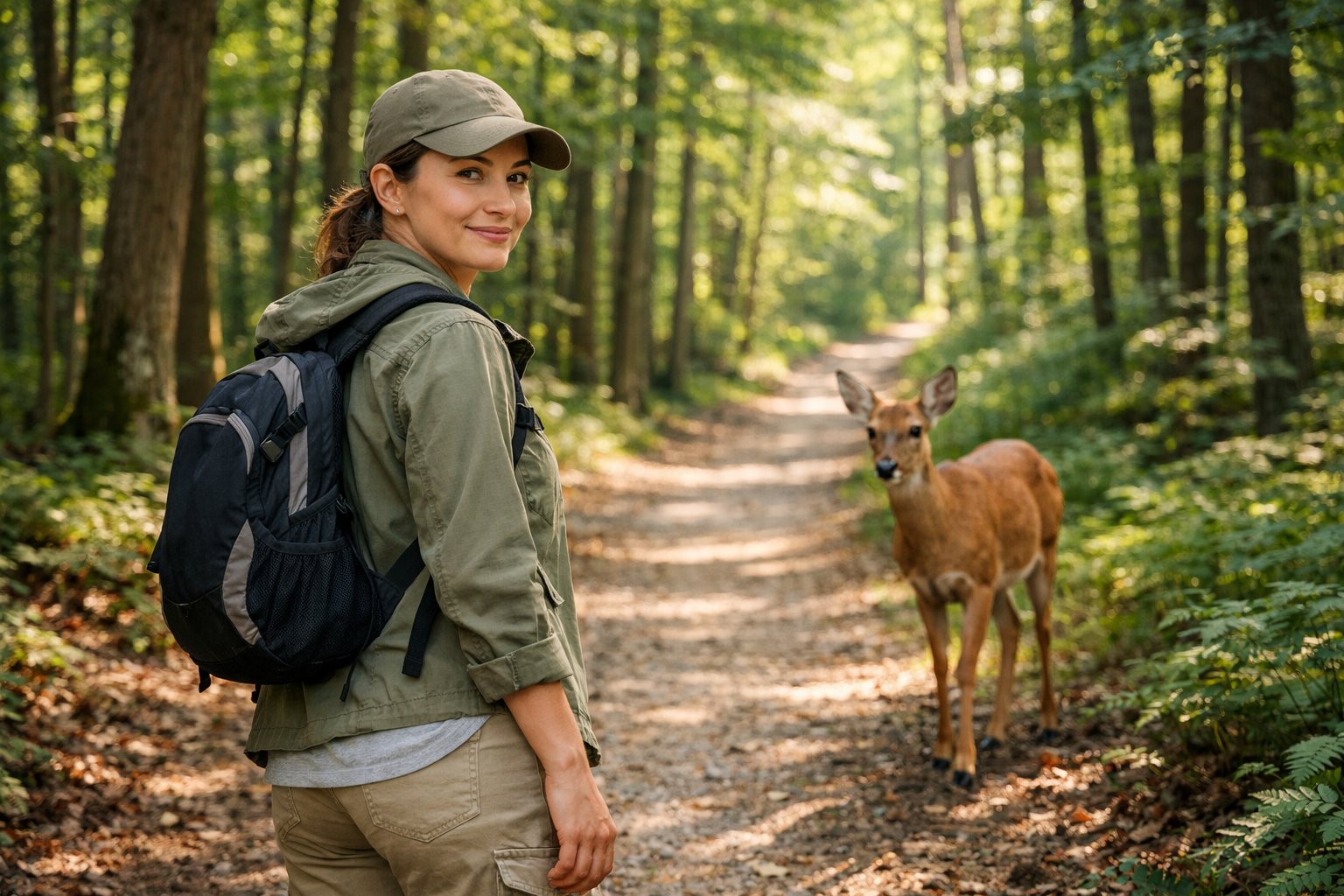
This post gives you straightforward steps to keep yourself (and your pets) safe if a deer won’t leave you alone. You’ll also see what to do if the deer is acting protective, like a doe with fawns, or if it suddenly gets aggressive.
Key Actions to Take When a Deer Follows You

Try to stay calm. Move slowly and keep putting distance between you and the deer.
Pay attention to how the deer stands or moves, and avoid staring right at it.
Stay Calm and Avoid Sudden Movements
If a deer follows you, just stop for a second and breathe. Fast movements or loud sounds could startle it or make it act out.
Keep your hands low and your body loose. If you need to speak, use a soft, steady voice.
Don’t wave your arms or run. Those things might make the deer even more curious or nervous.
If you have a dog, keep it close and calm on a short leash. Dogs sometimes rile up deer, especially if there’s a fawn or it’s mating season.
Back Away Slowly and Increase Distance
Turn a bit to the side and step back, but keep facing the deer. Don’t run—running could make the deer chase you or react in ways you can’t predict.
Try to get at least 20–50 meters away if you can. Pick a path that’s clear and safe, without roots or rocks that could trip you.
If you see other people, buildings, or a car, head in that direction. Deer usually lose interest when you’re near a group or out of the open.
If the deer keeps following, change your direction slowly or pause for a moment. Most of the time, if you keep moving away steadily, the deer will give up.
Observe Body Language and Avoid Eye Contact
Watch the deer’s ears, tail, and head. If its ears go back, tail goes up, or it stomps, that’s a warning sign.
If you notice antlers and the deer lowers its head, that’s a big red flag—move away faster and look for help.
Don’t stare into its eyes. Wildlife can take that as a threat. Just keep the deer in the corner of your eye so you know where it is.
If you spot a fawn, expect the mother to be extra protective. Give them a wide space and move off calmly.
If the deer seems relaxed—soft ears, easy posture—it’s probably just curious. Either way, keep moving away until it loses interest.
Special Situations and Getting Help
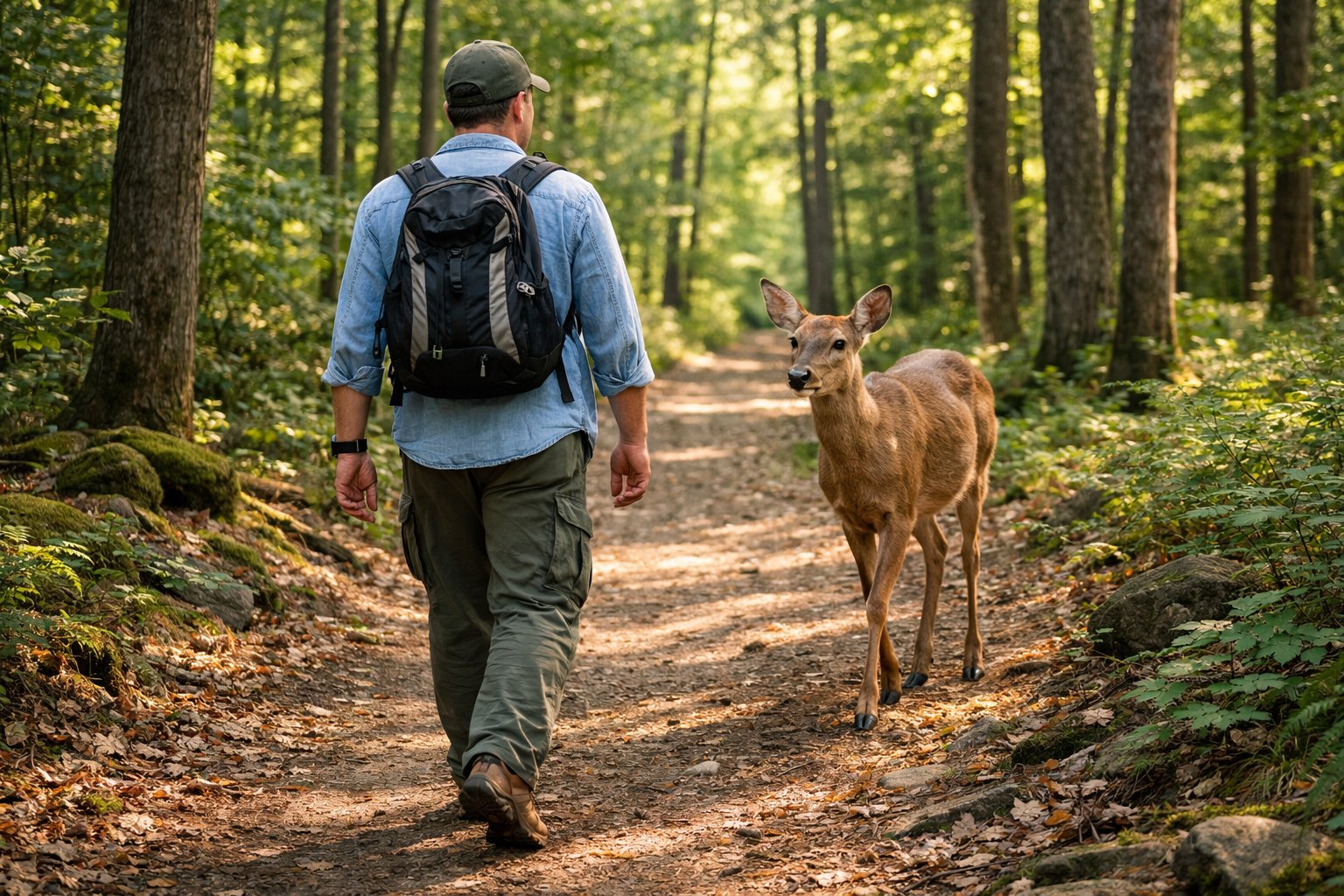
Stay calm and keep your distance. Sometimes, you’ll need to call for help—especially if the deer looks sick, hurt, or is a fawn all alone.
When to Contact Wildlife Authorities or Rehabilitators
Call your local wildlife agency if the deer looks injured (like bleeding, limping, or can’t stand) or acts aggressive during rut. Give them the exact spot, a quick description of what’s wrong, and let them know if people or pets are nearby.
Don’t try to move or catch the deer yourself. That can make things worse or hurt the animal more.
If the deer is near traffic or in a busy area, call non-emergency police or animal control too. If you need a wildlife rehabilitator, ask the agency for someone nearby who can help.
Encounters with Fawns or Injured Deer
If you find a fawn alone, wait and watch from a distance for at least an hour. The mom usually comes back after foraging.
Only call for help if the fawn looks hurt, cold, cries non-stop, or is in obvious danger like near traffic or pets.
For hurt deer, keep everyone away and mark the spot so rescuers can find it easily. Snapping a photo from a distance can help authorities figure out what’s going on.
Skip giving it food or water. The best thing you can do is contact a wildlife rehabilitator or local wildlife authority right away. That gives the animal its best shot at safe care.
Avoid Feeding or Touching Wild Deer
Don’t feed deer, even if they look tame or hungry. When people feed them, deer start losing their natural fear of humans, and that can get dangerous down the road.
Never try to hand-feed a fawn or an adult. If you make a sudden move, you might get bitten or kicked.
It’s best not to touch wild deer at all. That way, you avoid getting hurt or spreading disease.
If you spot a fawn that really seems to need help, pause and wait for advice from a wildlife rehabilitator or local wildlife authority. Some places even fine people for feeding or interfering with wild animals, so it’s smart to check the rules.
Wildlife professionals know the safest, legal steps to take. When in doubt, let them guide you.


