
You might want a straight answer here, but honestly, the truth is tangled up with nature, culture, and a bit of wonder. People often call deer the “king of the forest” in stories and traditions because of their size, antlers, and that striking presence—but in reality, they share that power with predators, trees, and even the seasons.
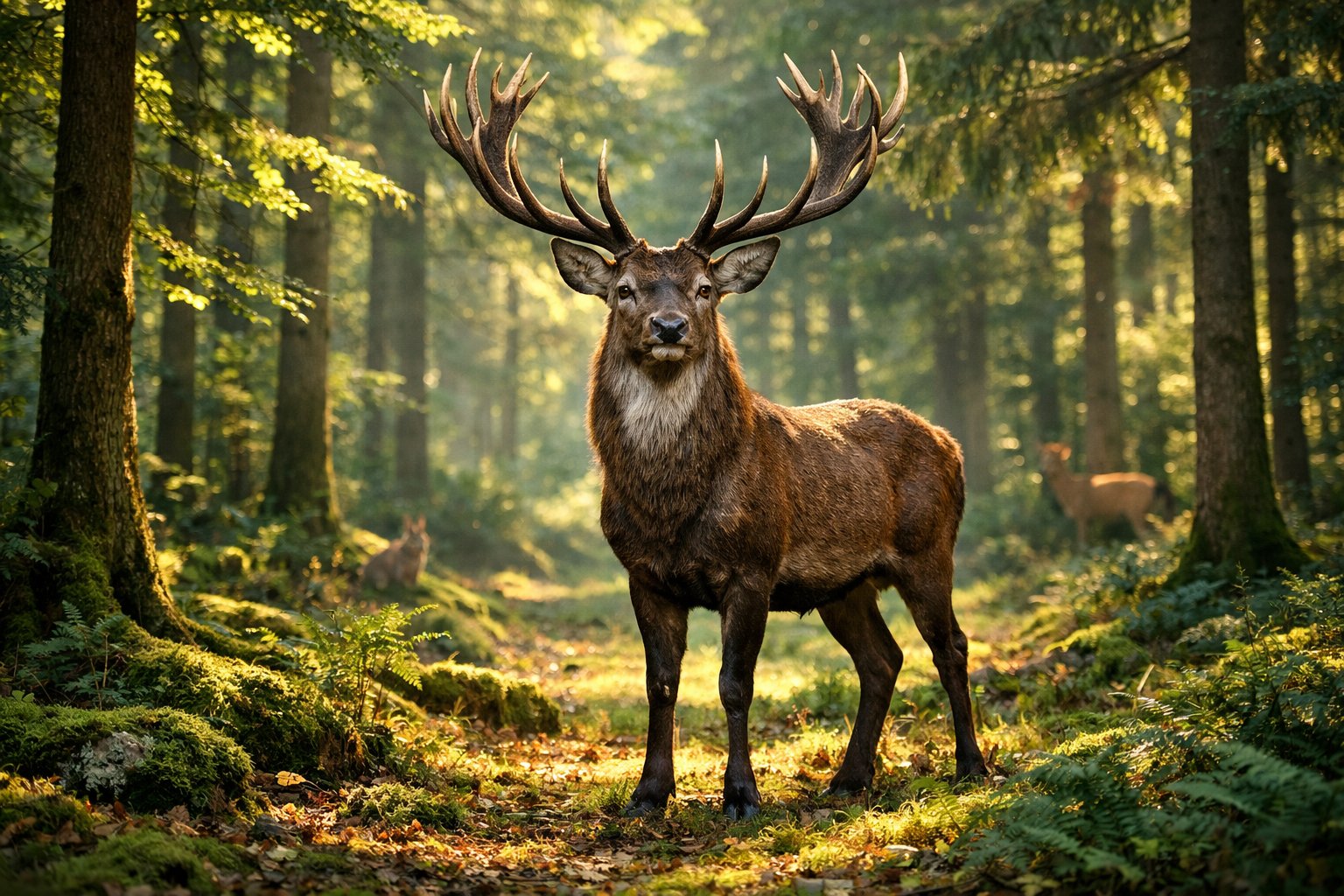
Let’s walk with a little curiosity. Why did people crown deer in myths, art, and local stories? Does that idea match up with the animal’s real life?
You’ll get a sense of where the title fits, where it just doesn’t, and why the idea still matters for conservation and culture.
Exploring Deer as the King of the Forest

Let’s dig into why people call deer the “king of the forest,” how the red stag built that reputation, and why antlers matter so much for status and renewal.
Why Are Deer Called the King of the Forest?
People call deer the “king of the forest” because stags are so visible and central in woodland life. You’ll see them lead mating groups, defend territories, and shape plant growth just by grazing.
That kind of presence makes them a symbol of wild places.
Cultural stories really boost deer to royal status. In Celtic and other traditions, a noble stag often appears as a leader or a messenger for the gods.
You’ll spot this theme in art, old tales, and even modern writing that links stags to strength and grace.
Ecology gives that title some practical weight. Red deer, as large herbivores, change how vegetation grows, which in turn affects birds, insects, and new trees.
When you see a red deer in a clearing at dawn, you’re looking at an animal that both shapes and represents its habitat.
Red Deer and the Legacy of the Stag
The red stag (Cervus elaphus) usually carries the “king” image. You’ll find red deer across Europe, parts of Asia, and even New Zealand, where people introduced them.
They’re big, and their rutting calls echo through the woods.
During the rut, stags gather harems and fight for mates.
You’ll hear those deep roars and see antlers clash as males compete.
These displays really cement the stag’s role in culture and ecology—they’re loud, public proof of fitness and dominance.
People hunt and manage red deer for meat and conservation, shaping how stags live near humans.
When you read about red deer in myths or see them in parks, remember their real-life role: a big herbivore with a visible, lasting place in forest life.
Antlers: Symbols of Power and Renewal
Antlers make stags look like they’re wearing crowns, driving the whole “king” metaphor.
You’ll notice antlers grow each spring, reach full size by late summer, and then stags shed them after winter.
That cycle ties antlers to both strength and renewal.
Antlers have a job, too—you’ll watch stags use them in fights and display them to attract hinds.
Bigger antlers usually mean better nutrition and genes, so they’re honest signals during mate choice.
Antlers also matter for the forest itself.
When stags rub and scrape trees, they leave marks that other animals use as signals.
Shed antlers feed small mammals and insects.
So antlers work as tools, displays, and even as part of the forest’s nutrient cycle.
Symbolism and Cultural Significance of Deer
Deer often stand for gentle strength and spiritual connection in cultures all over the world.
They show up in stories and rituals as symbols of renewal, guidance, and sometimes moral virtue.
Deer in Mythology and Folklore
You’ll meet deer in plenty of old tales as strong, specific figures.
In Celtic myths, the horned god Cernunnos links deer to fertility, the forest, and the cycle of life through antler renewal.
Japanese and European folktales often make a white deer a sacred or prophetic animal, leading hunters to new paths.
These stories tie deer to devotion and natural law.
Their changing antlers signal seasonal rebirth, so people used deer as signs of harvest, mating seasons, and clan luck.
Deer images show up in ritual masks, carved stones, and even old songs.
You can trace the same themes—renewal, innocence, harmony—in different regions, even if the details shift a bit.
Deer as Messengers and Guides
You’ll find deer cast as messengers between worlds, carrying warnings or invites to change.
Many Native American traditions see deer as intermediaries, bringing peace and teaching intuition and gentleness.
In Buddhist and other Eastern art, deer sometimes appear near the Wheel of Dharma, nudging you to follow compassion and balance.
Deer guide characters in myths toward moral choices or new life directions.
Their quiet movement and alert senses make them natural symbols of awareness.
When a deer shows up in a story, it’s often a call to listen, slow down, and follow a subtler kind of guidance.
Virtue, Purity, and Spiritual Meaning
Deer stand for calm moral qualities you might want to follow: compassion, grace, and innocence.
Writers and teachers often point to their gentle steps and peaceful nature as symbols of virtue.
White deer, especially, seem to carry a sense of purity and rare spiritual favor.
In both Christian and Pagan stories, a white stag sometimes signals a sacred spot or a personal challenge.
Artists and poets love using deer to express ideas about inner renewal and peaceful living.
You might notice they show up alongside themes like renewal, harmony, and gentleness—maybe as a gentle nudge that strength and kindness can actually go hand in hand.


