
You probably picture deer munching on leaves and acorns, right? That’s mostly spot on, but every now and then, deer will eat meat if the opportunity pops up.
Deer sometimes eat meat—usually scavenged carcasses, eggs, or small animals—not because they’re hunters, but because they need extra calories or minerals.
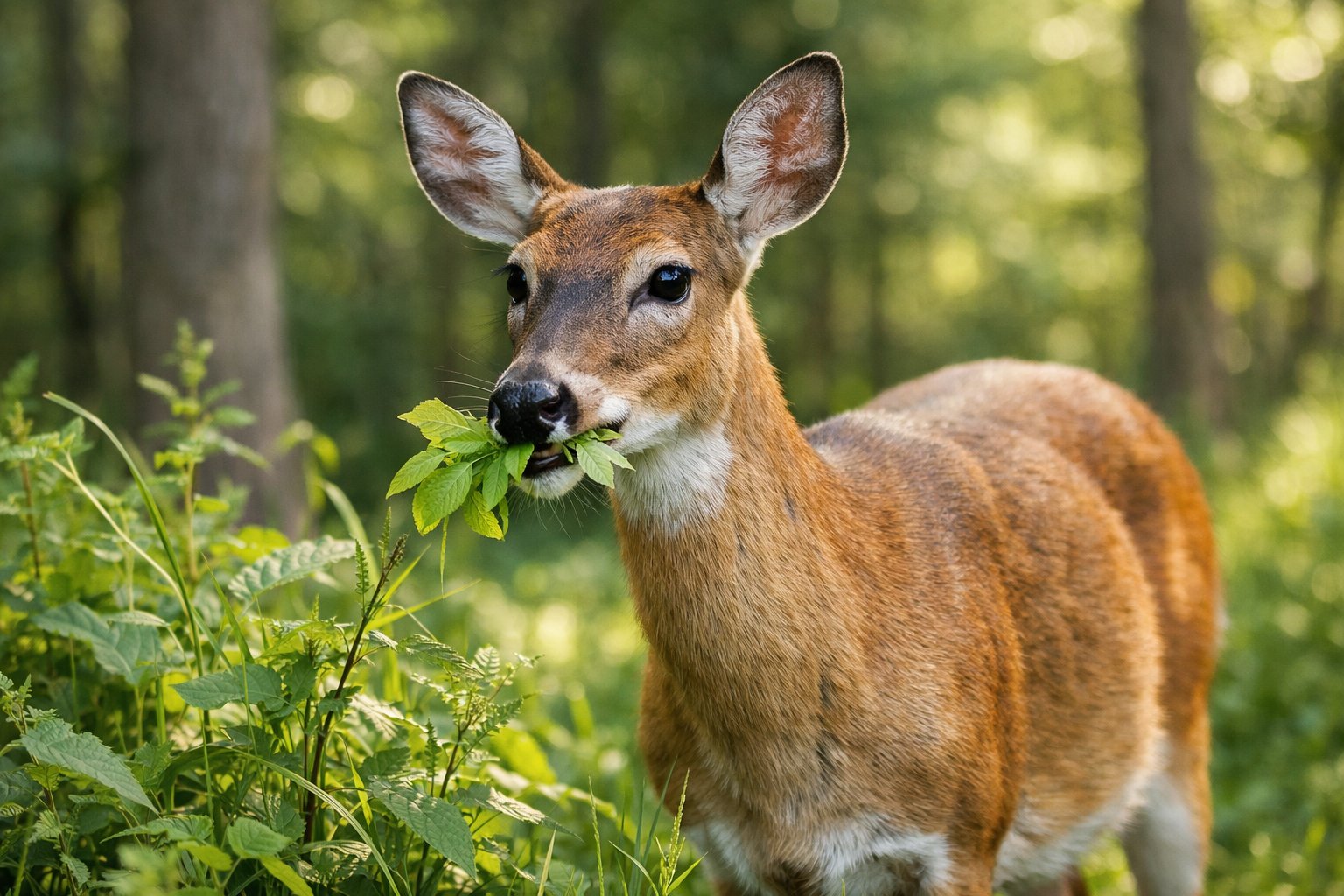
There are some surprising real cases out there, and honestly, the reasons behind this odd behavior aren’t that complicated. When deer eat meat, it’s usually tied to environmental stress or seasonal needs.
If you’re curious about clear examples and simple reasons, you’re in the right place.
Do Deer Ever Eat Meat? Unusual Behaviors and Real-Life Examples

Deer eat plants most of the time, but sometimes they’ll go for animal matter, especially if they need certain nutrients or food runs low.
People have spotted deer scavenging, chewing on bones, and even eating small animals or carrion now and then.
Documented Cases of Deer Eating Meat
Field cameras and reports have caught white-tailed deer and elk eating meat or carcasses. Trail cameras have picked up whitetail deer at deer carcasses, dead rabbits, and even squirrels.
Some hunters and biologists have filmed deer nibbling on fish or bird remains near water. Researchers at universities and wildlife groups have seen deer chewing bones or antlers—osteophagia—to get calcium and phosphorus.
Forensic Anthropology Research Facilities have noted deer at human remains in a handful of rare forensic cases. Usually, these things happen because of nutrition or scarcity, not because it’s normal for deer.
Species Most Commonly Observed Eating Meat
White-tailed deer top the list when it comes to eating meat or bones. Elk and mule deer show similar behavior, especially in places with rough winters.
Fawns and pregnant or lactating females sometimes do this more often since they need extra minerals. You’ll rarely see smaller or strictly forest-dwelling deer eating meat.
Most reports of this come from North America, probably because trail cameras and hunters are everywhere. National deer groups and wildlife biologists keep saying these events are rare exceptions, not a sign that deer are turning carnivorous.
What Types of Meat Do Deer Eat?
Deer usually eat carrion—roadkill deer, dead rabbits, squirrels, and fish. They’ll also take eggs or nestling birds if the chance comes up.
Some stomach-content studies have found insects and small vertebrates like snakes or mice, but that’s rare. Bone and antler chewing happens a lot; deer gnaw on shed antlers or carcass bones for minerals.
Deer almost never kill live prey; most of the time, they just scavenge. Human remains have turned up in a few forensic cases, but that’s not typical deer behavior.
How and Why Deer Occasionally Scavenge
Deer scavenge when their plant diet doesn’t have what they need or when food gets scarce. Males growing antlers need extra calcium and phosphorus, so they chew bones or antlers.
Females—especially when pregnant or lactating—might look for richer nutrients too. If a carcass or fish is easy to get, a deer might try it.
Their digestive system works best with plants, so they don’t eat meat often. Trail-camera studies and wildlife research point out that scavenging is just a survival tactic, not a regular habit.
Why Do Deer Eat Meat? Nutritional and Environmental Factors

Deer stick to plants for the most part, but sometimes they’ll eat animal matter for extra minerals or protein, or when their usual food is hard to find.
Let’s get into the nutrition side, how their guts handle meat (spoiler: not well), and when stress pushes them to eat weird stuff.
Nutritional Deficiencies and Survival Needs
You might spot deer chewing bones, antlers, or small pieces of carrion to get calcium and phosphorus. These minerals matter most during antler growth in bucks and when does are lactating.
Deer with access to crops or rich browse usually get enough minerals from plants. But if the soil’s missing key nutrients, plants just don’t cut it.
Deer have a four-chambered stomach, and the rumen ferments fibrous plant matter. That system doesn’t handle meat well, so animal protein isn’t a regular part of their diet.
When deer gnaw bones or eat eggs, they’re after specific nutrients, not really calories. If you see deer at mineral licks or picking through gut piles, they’re just trying to fill in what plants can’t provide.
It’s a quick fix for a nutritional gap, not a sign they’re turning into omnivores.
Dietary Flexibility and Adaptation
Deer adapt their eating habits when food options shift. Their usual diet covers leaves, twigs, grasses, fruits, and crops.
That variety gives them most of what they need, but they’ll go for alternative foods if they’re easy to get and not risky. Opportunistic eating—like scavenging dead fish, eggs, or small carcasses—happens when the reward outweighs the digestive hassle.
Deer don’t become real omnivores; they stay herbivores who sometimes supplement. Their teeth and digestive system are made for grinding plants, not tearing meat.
Managers and hunters sometimes see deer eating hunter gut piles. That’s just deer adapting to what’s around.
You can cut down on this by removing carcass remains or putting out mineral blocks where it’s allowed.
Impact of Scarcity and Seasonal Changes
Seasonal shifts really shake up what deer can eat. In spring and summer, they find plenty of fresh forage packed with proteins and minerals.
But come late winter, snow and frozen ground make it tough for them to reach fresh browse. That means fewer nutrients and some pretty odd menu choices.
When food gets scarce, deer start nibbling on bark, buds, or whatever’s left in the fields. Sometimes, if that’s not enough, they’ll even gnaw on antlers or check out carrion. You’ll see this more in harsh climates or where the habitat’s just not great.
If you’re watching deer, you’ll notice that meat-eating because of scarcity hardly ever happens and usually stays pretty local. It usually points to ecosystem stress—think poor soil, too many deer, or wrecked habitat—not some big change in what deer actually are.


