
You’ll see deer hanging around the same spots if those places offer food, cover, water, or just feel safe from people and predators. Deer usually stick to a home range and come back to familiar bedding or feeding areas, so if your land checks those boxes, you’ll probably spot them again.
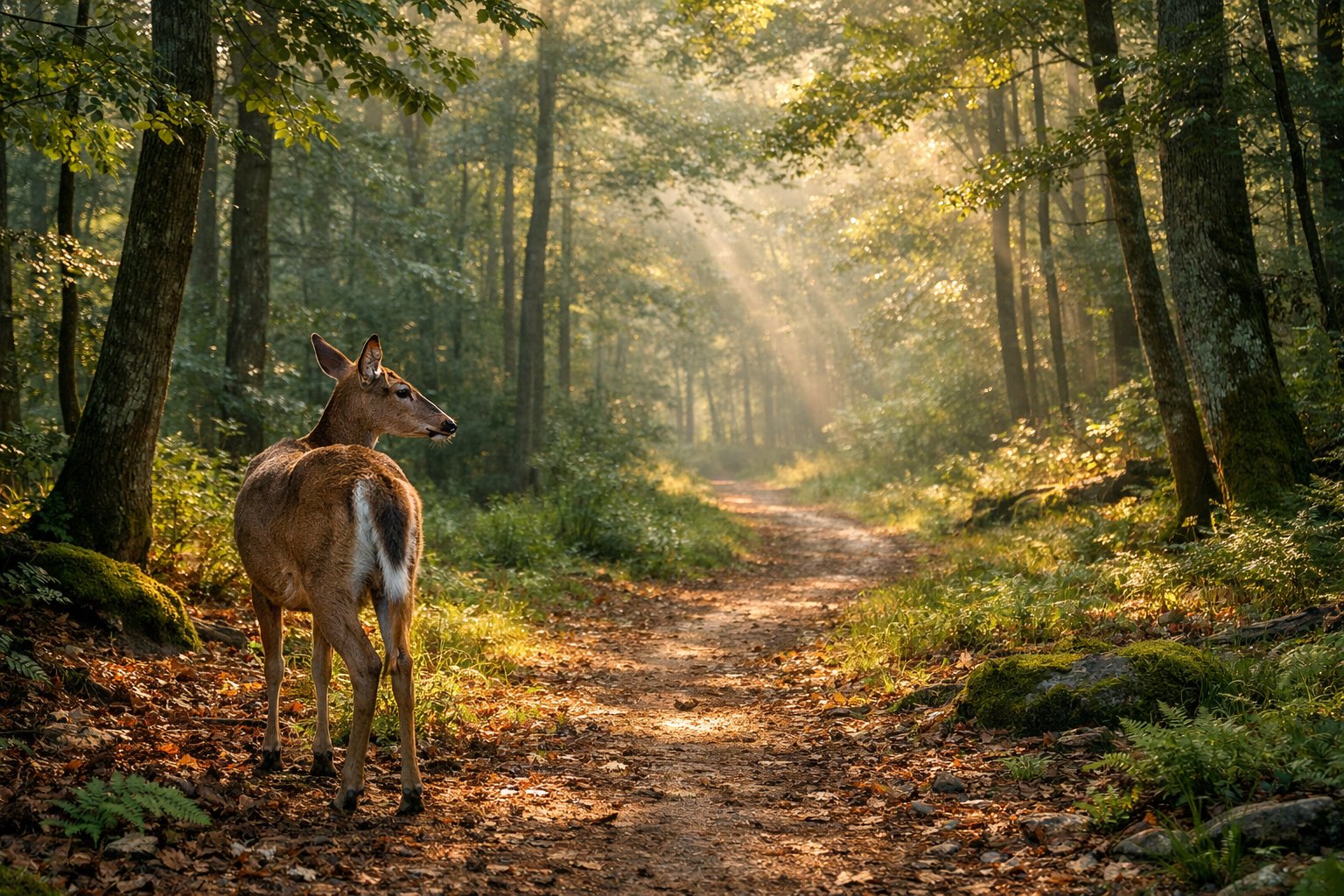
Figuring out why deer revisit certain areas helps you predict where they’ll show up—and maybe avoid issues like garden damage or awkward run-ins. Let’s break down how deer pick spots, what keeps them coming back, and what you can actually do to change their behavior around your place.
Why and How Deer Return to the Same Place

Deer come back to spots that meet their needs: food, cover, water, and a sense of safety. You’ll notice patterns in where deer bed, feed, and travel, and these can shift with the seasons.
Home Range and Site Fidelity
Deer live within a home range, which is just the area they use regularly all year. A whitetail’s core area is usually much smaller than its whole range.
That core area usually has the best feeding spots, bedding cover, and water nearby. If your land keeps food, security, and cover pretty stable, deer will probably stick to the same core area.
Big changes like cutting down woods or heavy hunting pressure might push them to shift their range. Watch for signs in your property’s main zones—consistent trails, rubs, and feeding marks tell you where deer feel comfortable.
If you manage those spots, you can influence whether deer keep coming back.
Deer Movement Patterns and Path Variation
Deer don’t walk the same trail every day, but they do follow regular movement patterns. You’ll see them move between bedding and feeding areas, mainly at dawn and dusk.
Those routes change depending on weather, food, and what people are up to nearby. Path variation lets deer dodge predators and humans.
One day, they might take a steep, brushy trail. Another day, they’ll swing wide to stay hidden. Seasonal changes matter, too—spring and summer are all about fawns and new growth, while fall brings more movement around feeding spots and rut activity.
If you link bedding cover to food sources, you can map likely travel corridors. Set up trail cameras along those paths to see when and how deer move.
Differences Between Mature Bucks, Young Bucks, and Does
Mature bucks usually hold bigger, more predictable home ranges during the rut. They’ll travel farther, revisit scrapes, and stick to rub lines as they look for does and defend their territory.
Young bucks wander more. They leave their birth areas to find new ground, so you’ll spot them making longer trips and not sticking to a routine.
Does focus on stable core areas with good cover for fawns and reliable food. If your land has safe bedding and steady browse, does will keep coming back along the same daily routes.
Key Factors Affecting If and When Deer Come Back
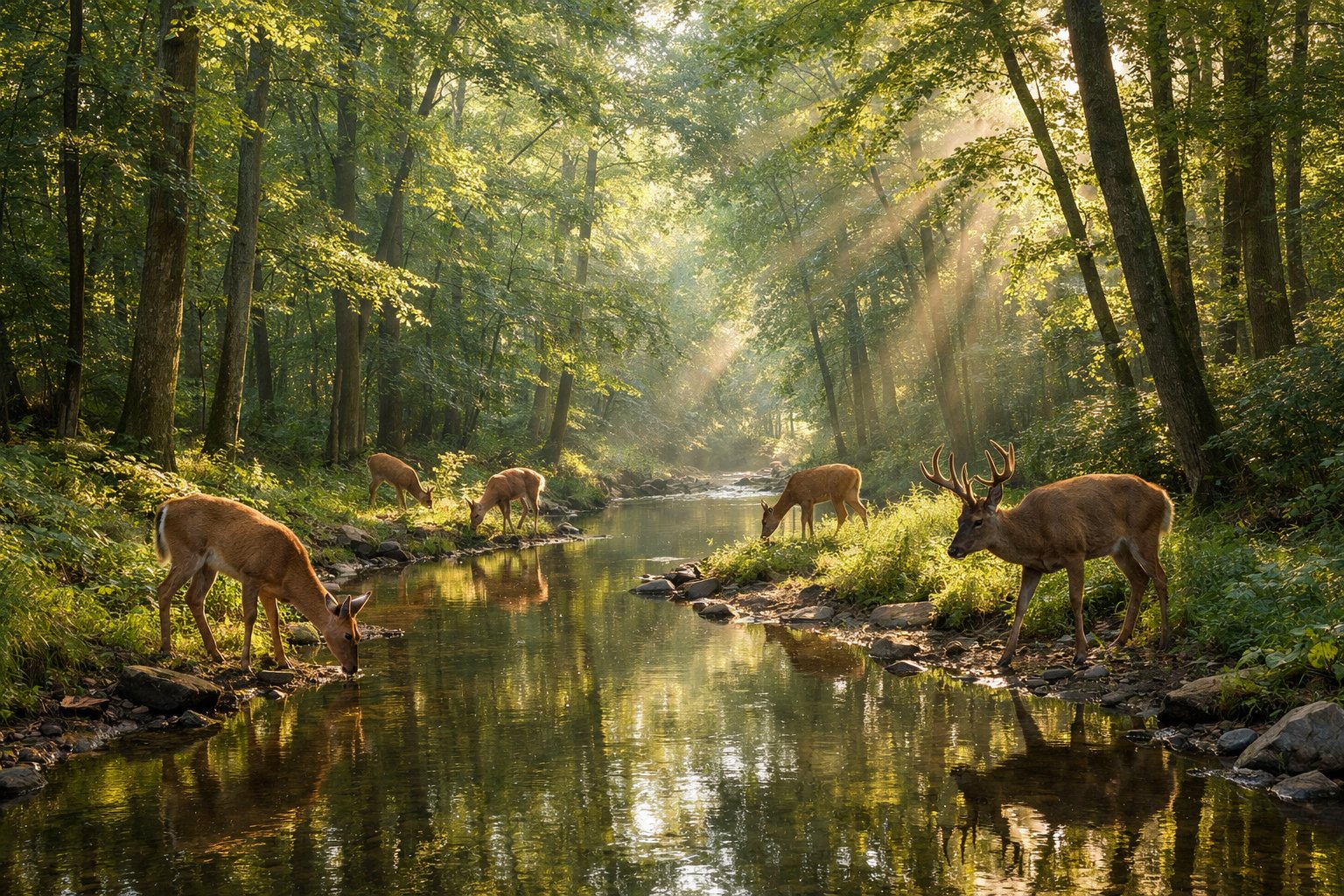
Deer return to places that offer food, cover, and a sense of safety. You’ll predict visits better when you watch for steady food sources, low disturbance, and seasonal habits.
Food Availability and Habitat Quality
Food drives most of what deer do. If you’ve got oak trees, cornfields, clover plots, or a steady deer feeder, they’ll keep coming back.
Does with fawns and older bucks stick to areas with dense browse and bedding cover nearby. Quality matters—a small patch of good forage attracts deer more than a big area with junky plants.
Food within 100–300 yards of safe bedding gets the most repeat use. Manage habitat to shape visits—thin out overgrown brush to encourage new growth, or plant mast trees and native forbs.
A trail camera can show you which food patches get the most action and when deer show up.
Impact of Hunting Pressure and Human Activity
Hunting changes how deer act, fast. When hunters walk through an area a lot, deer might avoid it for days or just leave.
That “seven day rule” you hear about—waiting a week after hunting before checking a stand—comes from how deer shift their patterns after being disturbed. Roads, pets, and lots of people walking around also push deer to quieter spots.
During the rut, bucks sometimes risk busier areas to find does, but they still prefer safe routes. You can keep deer coming by reducing disturbance—use scent control, limit trips, and set stands along travel corridors you’ve spotted with a trail camera.
If hunting pressure gets heavy, expect deer to move farther and stick to thicker cover.
Influence of Weather and Seasonal Changes
Weather and changing seasons really shake up what deer need and how they move. When cold snaps hit or snow piles up, deer head for lower ground and gather in wintering spots where they can still find something to eat.
During warm, dry spells, they go looking for water a lot more often.
The rut? That’s when bucks roam farther than usual and basically ignore their normal bedding routines just to find does.
When it’s fawning season, does pick out hidden bedding areas. They want to stay close to food but far from anything that might bother them.
Try using a trail camera to keep tabs on seasonal movement patterns. You’ll probably notice deer moving most at dawn and dusk, although during pre-rut or rut, they might be up and about even in the middle of the day.
If you know when deer are most active, you can set up food plots, feeders, and stands in the best spots.


