
You see deer almost every day, but their lives usually end much sooner than you’d think. Predators, disease, brutal weather, and human threats—like cars and hunting—cut deer lives short. All those pressures shape how long most wild deer actually survive.
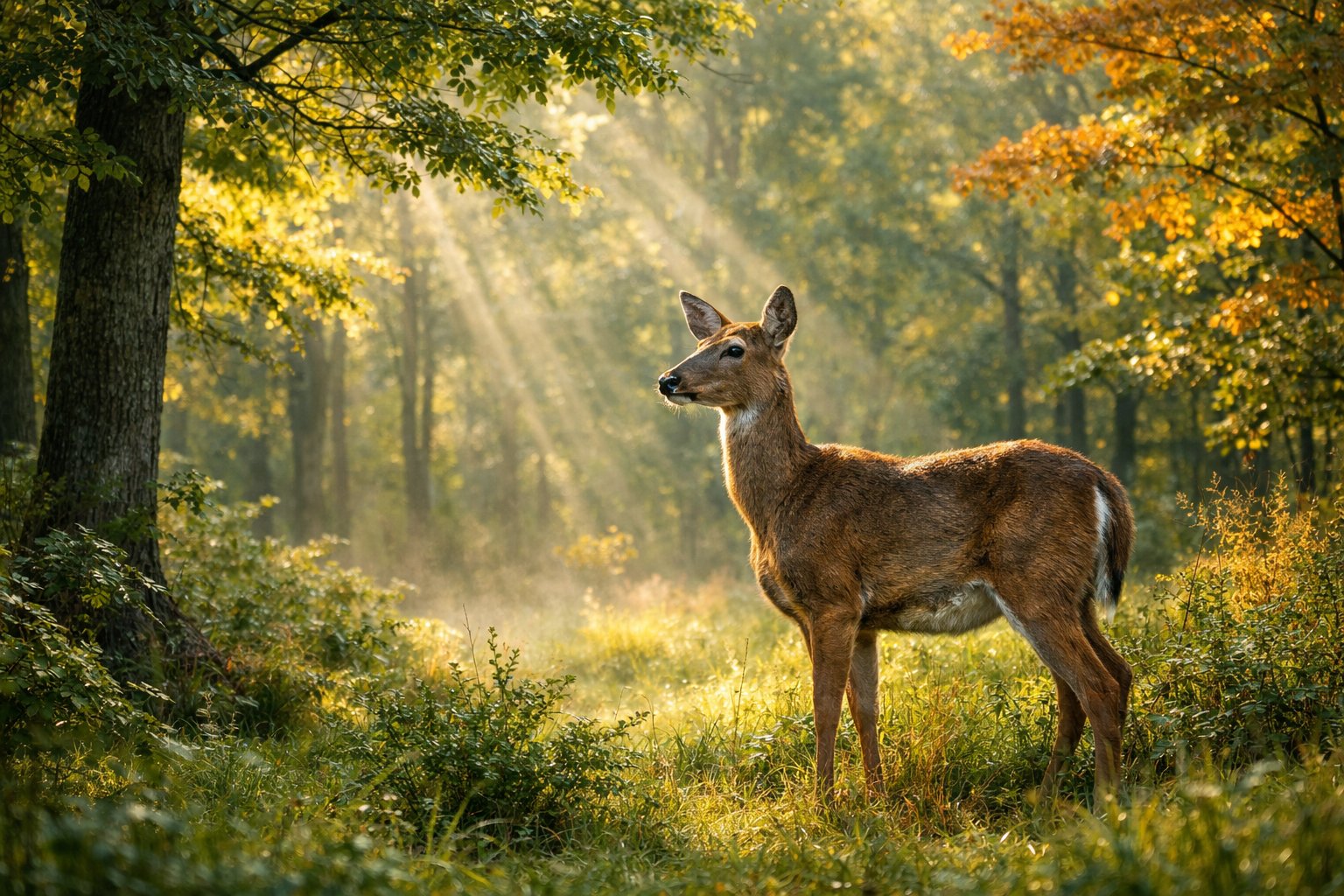
In the wild, deer often live only a few years because constant threats and changing habitats keep most from reaching their biological maximum. This article digs into how predators, illness, habitat loss, and species differences impact deer lifespan. It also explores why some deer can live much longer in captivity.
Curious about which factors matter most? Or how different species stack up? Let’s get into what helps or hurts deer chances of living longer.
Why Deer Have Such Short Lifespans in the Wild

Deer deal with a mix of fast dangers and slow problems that keep lives short. Predators, disease, hunters, harsh weather, and cars all lower survival—especially for fawns and older bucks.
Predation and Natural Threats
Predators kill most deer before they get old. Mountain lions and wolves hunt healthy adults, sometimes in packs or by ambush.
Coyotes and bobcats usually go after fawns. That raises fawn mortality and means fewer survive their first year.
Bears eat fawns too, and sometimes adult deer if they get the chance.
Predators change how deer behave. You’ll notice deer feeding less openly and sticking to thick cover, which can cut down on nutrition.
That lowers the herd’s survival over time. Predators also remove weak or sick animals, which shifts the age structure of the whole population.
Impact of Disease and Parasites
Diseases can spread quickly and kill off lots of deer. Chronic wasting disease (CWD) slowly destroys deer and always ends in death.
Epizootic hemorrhagic disease (EHD) can wipe out herds in late summer and fall. In some regions, bovine tuberculosis weakens deer over months or even years.
Parasites—ticks and internal worms—drain strength and make deer easier targets for predators or harsh weather. Crowded feeding sites and high populations raise disease risk.
Wildlife managers keep an eye out for outbreaks. Disease-driven deaths can force changes in how they manage deer.
Role of Hunting Pressure
Hunting removes plenty of adult deer every year. Hunters often target mature bucks during hunting season, so you’ll see fewer older males around.
Regulated hunting tries to balance herd size with habitat, but heavy hunting cuts down average lifespan.
Timing and intensity of hunting seasons matter. Big harvests in fall can remove breeding-age bucks and shift population dynamics.
Illegal poaching adds even more loss. Wildlife managers use harvest limits and season dates to soften the blow, but hunting still stands as a major cause of deer deaths across North America.
Environmental Stresses and Accidents
Weather and random accidents end deer lives quickly. Brutal winters cause starvation and make deer easy prey.
Drought lowers food quality and weakens deer, increasing deaths from disease and predators. Vehicle collisions kill thousands each year, especially where roads slice through habitat.
Habitat loss and fragmentation squeeze deer into smaller spaces and force more road crossings. That bumps up the chances you’ll see a deer-vehicle crash and also raises disease spread.
Human changes to the landscape and wild weather events together drag deer survival rates down.
Deer Lifespan: Species Differences and Captivity
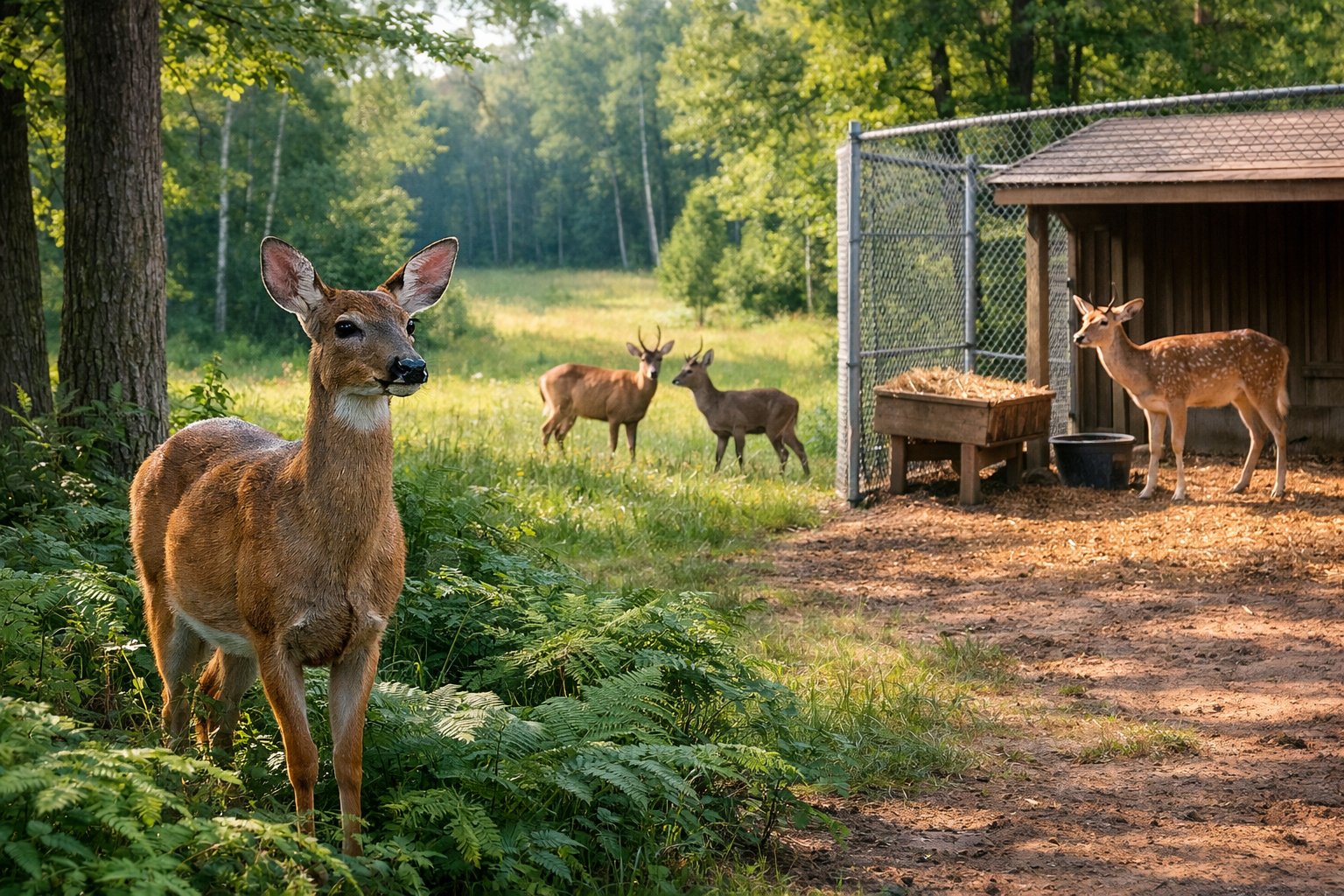
Deer species really do differ in how long they live, what usually kills them, and how things change under human care.
You’ll find numbers for common species, see what happens in captivity, learn how biologists figure out deer age, and spot the main factors that push lifespans up or down.
Average and Record Lifespans by Species
Whitetail deer usually live 2–5 years in the wild, though some make it to 10 or more if they dodge disease, predators, and hunters.
Mule deer tend to have similar lifespans but can live longer in areas with fewer predators.
Roe deer often reach 5–8 years in the wild, with rare cases reported up to 16–20 years. Red deer sometimes beat them all, living past 15 years when habitat is good.
People usually record the oldest deer in captivity or in well-monitored areas like state wildlife refuges. Trail camera studies and long-term monitoring at places like the Kerr Wildlife Management Area confirm individual ages and rare old-timers.
Keep in mind, “oldest deer” claims usually mean deer in captivity or heavily managed herds.
Wild vs. Captive Deer: Lifespan Comparison
In the wild, predators, hunting, disease, and rough winters keep lifespans short. Most whitetail deer and other cervids average 2–8 years, depending on region and species.
In captivity, deer regularly live 10–20 years thanks to steady food, vet care, and no predators.
Captive herds—zoos, sanctuaries, or private collections—see higher survival for both adults and fawns. That bumps up the average and produces most of those “oldest deer on record” stories.
Groups like the National Deer Association track these differences to help guide management. Of course, captivity changes behavior and health risks, so longer lives don’t always mean healthier or more natural deer.
How Deer Age is Determined
Biologists usually age deer by looking at teeth and bones. In the field, they use tooth wear, body size, and antler growth for a quick guess.
For more accuracy, labs count growth layers in teeth—cementum annuli—kind of like tree rings. Matson’s Laboratory, for example, specializes in this method and gives age estimates from extracted teeth.
Researchers check jawbones and tooth replacement patterns for younger deer. Trail cameras and long-term tagging let them follow known individuals and confirm ages.
If you want reliable data for models or records, cementum annuli from a tooth is the gold standard.
Nutrition, Genetics, and Population Factors
Nutrition has a huge impact on how long whitetail and mule deer live. When deer have to deal with poor forage, drought, or just too much competition, their bodies struggle, and a tough winter or disease can finish them off.
But if they find good habitat with plenty of browse and food that changes with the seasons, they tend to stick around longer and raise more fawns.
Genetics play a role too. Some herds just seem to have better luck with longevity or fighting off disease.
Disease outbreaks—stuff like CWD, EHD, or a big parasite problem—can suddenly drop the average lifespan in a herd.
When there are too many deer packed into one area, you mostly see young ones and not many older survivors.
Wildlife managers, and groups like the National Deer Association, often step in with regulated hunting or habitat projects to help. These actions can thin out the population or boost nutrition, which changes how many deer make it through each year.


