
You might think deer would pick a favorite spot to sleep and stick with it, but that’s not really how it works. Deer usually switch up their bedding spots, though they’ll often stay in a familiar area if there’s plenty of food and good cover.
This habit helps them dodge predators and adapt to changing weather or food sources.
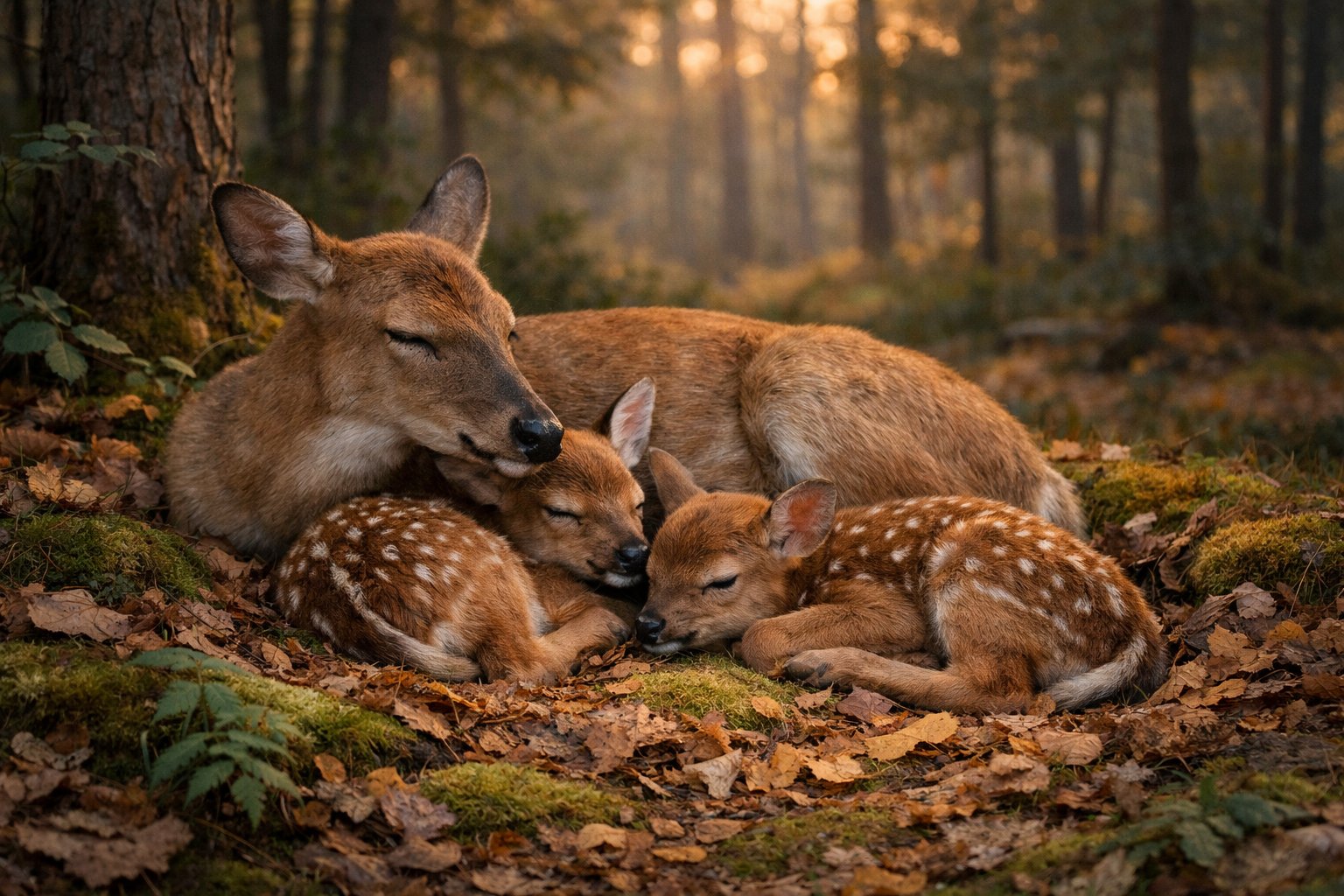
As you read on, you’ll see how deer pick where to bed down, how long they rest, and what signs to look for if you want to spot their bedding areas. Knowing these details can help you understand deer behavior without bothering them.
Do Deer Sleep in the Same Bed Every Night?

Deer don’t usually sleep in the exact same spot every night. Instead, they rotate between a handful of nearby bedding areas.
They move around when they sense risk or when the weather and food situation changes. They pick spots that offer cover, good sightlines, and an easy escape if trouble shows up.
How Often Deer Return to the Same Bed
Sometimes, deer will use the same bedding area for a few nights, especially if it feels safe and food is close by. Does with fawns often stick to a secure bed while their fawn is tiny.
Bucks might return to a favorite spot during calmer times, as long as nobody bothers them.
You can spot a reused bed by looking for:
- Fresh flattened grass or leaves and clear hoof marks.
- Several oval depressions close to each other.
- Droppings or bits of hair left behind.
If hunters, predators, or people show up more often, deer usually move on after a few nights.
Factors Influencing Bedding Location
You’d probably want a comfy, hidden spot to sleep, right? Deer do too.
They go for tall grass, thick brush, evergreen thickets, or the edge of a field, depending on what’s around.
Here’s what matters most:
- Cover: Cedar and pine help keep them warm in winter. Tall grass or CRP fields offer summer shade.
- Distance to food: Beds usually sit within a few hundred yards of where they eat.
- Wind and scent: Deer often bed facing into the wind to sniff out danger.
- Escape routes: They pick beds near trails or hillsides so they can bolt fast if needed.
If a bed doesn’t check these boxes, deer might just use it once and move on.
Role of Predator Avoidance
Predators really influence where deer decide to sleep. If coyotes, bobcats, or people get too close, deer just pick a new spot.
You’ll notice deer:
- Switch up beds often so nothing can track them easily.
- Group up—especially does—so they have more eyes and ears on alert.
- Bucks usually bed alone in hidden places to avoid being spotted.
Aerial predators are a thing, too. Deer like beds with cover that hides their outline at dawn and dusk, when they’re most vulnerable.
Impact of Weather and Season
Weather and the time of year change how deer pick their beds. When it’s cold, deer seek out sunny slopes or thick evergreens to stay warm.
In hot weather, they look for shade and a cool breeze.
Seasonal shifts you might notice:
- Winter: Beds sit closer to food and out of the wind.
- Spring/fawning: Does hide in thick, low plants to keep fawns safe.
- Fall (rut): Bucks may bed farther from food and closer to where does travel.
- Rain or snow: Deer pick drier, sheltered spots like leeward hollows.
A bed that works great in one season might not get used at all the next.
Deer Sleep Habits and Behaviors

Deer don’t sleep all at once—they rest in short bursts, always picking hidden places and staying alert. Here’s what you might want to know: how they sleep, if they stand up or keep their eyes open, how long they rest, and whether they bed alone or in groups.
How Deer Sleep and Stay Alert
Most of the time, deer take light naps so they can wake up fast. They curl up in a small hollow, called a form, to hide their bodies and keep their scent low.
They use tall grass, brush, or pine boughs for extra cover.
Even while resting, a deer will keep one ear moving and can snap their head up in a second. Their sleep includes light dozing and short, deeper rests.
This lets them stay active at dawn and dusk. Sleep patterns vary by species and by how much danger they sense.
Do Deer Sleep Standing Up or With Eyes Open?
Deer almost never sleep standing up. You might spot one dozing on its feet, but real sleep happens when they lie down and tuck their legs under.
Fawns spend more time lying down and can sleep a bit deeper since they’re hidden.
Deer don’t sleep with their eyes wide open. They might keep their eyes half-closed or blink slowly to stay aware. This lets them notice movement or sounds and jump up if something’s wrong.
When and How Long Do Deer Sleep?
Deer live on a crepuscular schedule—they’re most active at dawn and dusk—but they nap off and on, day and night.
They take several short naps that add up to a few hours of light sleep, with a few quick deep rests mixed in. The total sleep time depends on the season, food, and how many predators are around.
In rough winters, deer rest more to save energy and pick sheltered beds to keep warm. During fawning season, does change their sleep patterns to protect their young and may feed more at night.
Habits also shift if people show up more or if food is hard to find.
Do Deer Sleep Alone or Together?
Deer sometimes bed alone, and sometimes they stick together. It really depends on their age, sex, and how safe they feel.
Does with fawns usually bed together. The mother wants to keep a close eye on her young.
Bucks often bed alone during the day. They try to avoid giving away their scent to rivals, especially when it’s not mating season.
Grouping up gives deer more eyes and ears to spot danger. If predators are around, you’ll notice deer bedding closer together, or at least in nearby spots, so one can alert the rest.
Sometimes, deer choose to bed alone when food is hard to find, or when the terrain lets them hide better in separate places.


