
You’re driving down a rural road at dusk and suddenly spot a deer. What should you do? Most of the time, you’ll want to slow down in a controlled way—don’t swerve wildly. Your safety and everyone else’s comes first, not just dodging the animal. Slowing down gives you the best shot at stopping or at least reducing the force of a collision while you keep control of your car.
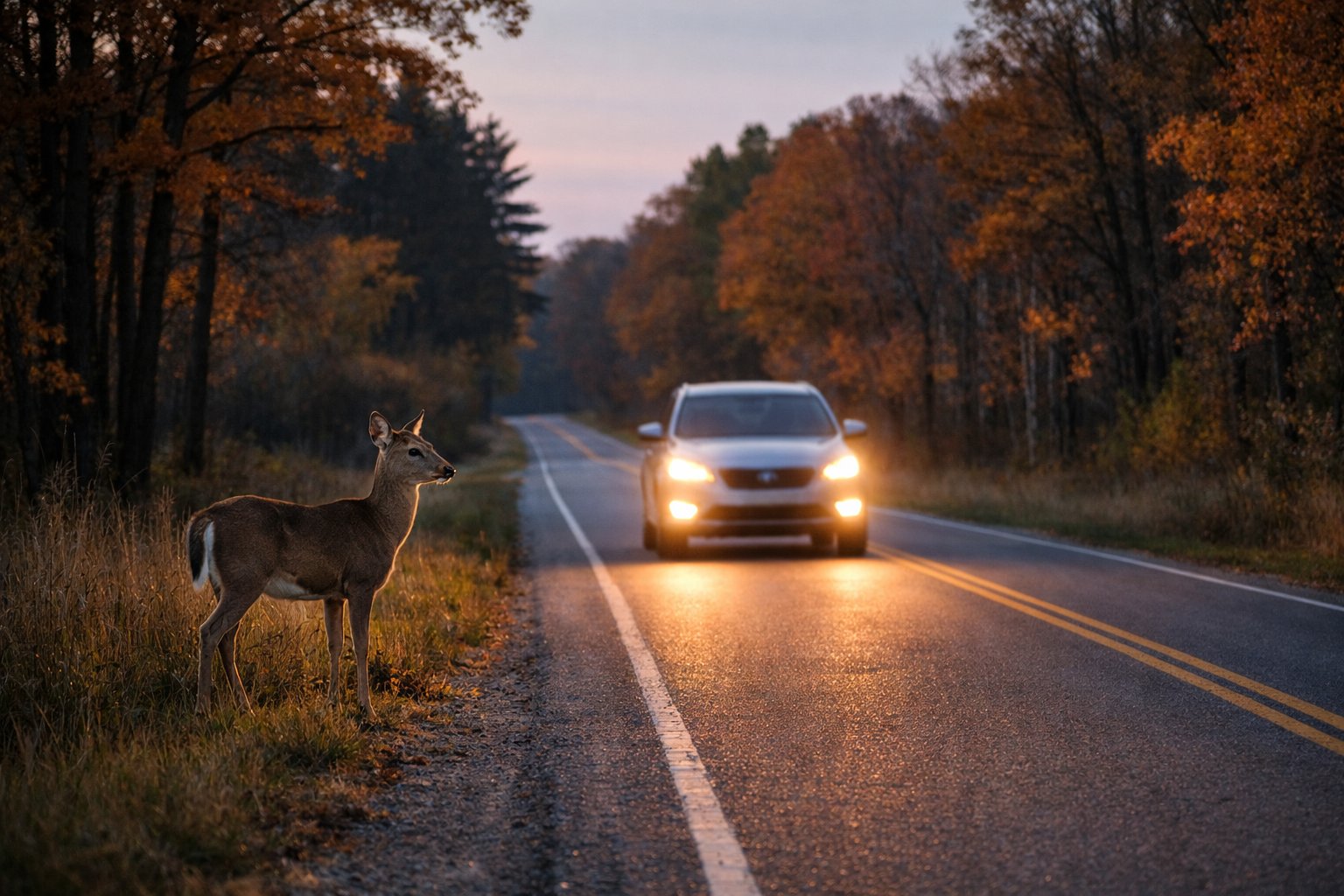
Try to stay calm. Scan for more deer, check traffic behind you, and pay attention to the road’s surface.
Let’s dig into what you should actually do the moment you spot a deer, why hard braking or swerving can backfire, and a few habits that help cut your risk on deer-heavy roads.
Immediate Actions When You See a Deer
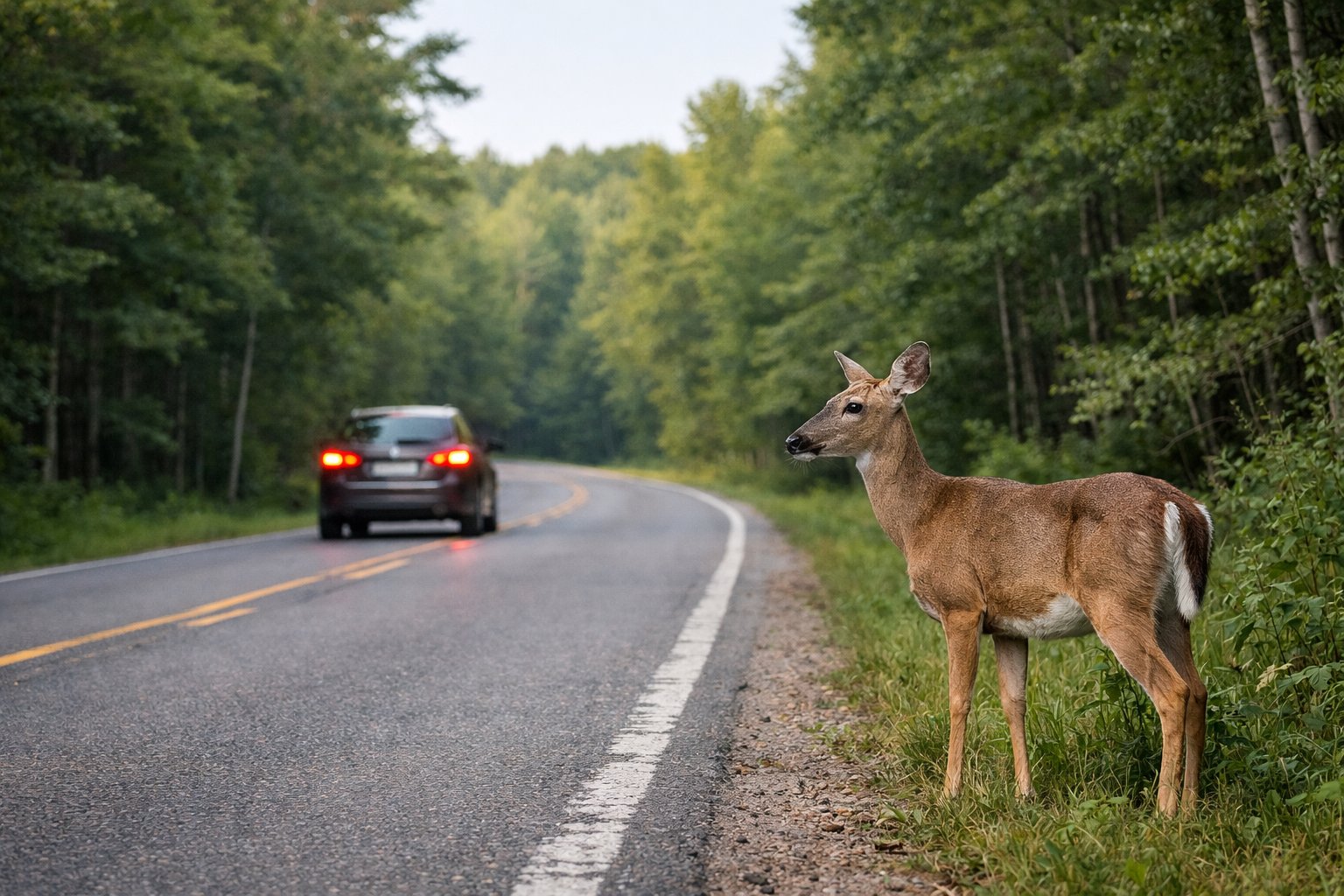
Ease off the gas, put both hands on the wheel, and glance around for other deer. Your main job is to keep the car under control and watch your surroundings so you can react safely.
Assessing Distance and Speed
Try to quickly judge how far away the deer is and how fast you’re going. If the deer is over 100 feet away and you’re under 45 mph, you usually have time to slow down gradually.
If the deer is within 50 feet or you’re driving faster than 50 mph, be ready for it to dart out. Look at the deer’s body language and direction. A deer that’s frozen could bolt at any second, and one facing the road might step out.
Before you hit the brakes, check your mirrors. You don’t want to cause a rear-end crash.
Here’s a quick mental checklist:
- Distance: far / near / immediate
- Speed: slow / moderate / fast
- Traffic: clear / close / tailgated
This helps you choose a safe move in a hurry.
When and How to Brake Safely
Brake firmly but not in a panic—don’t slam the pedal to the floor. Controlled braking helps you keep traction, and drivers behind can react better if you stop smoothly.
If you don’t have ABS and the road is slick, pump the brakes gently. With ABS, just press down and hold steady.
As you brake, steer gently to keep your car in your lane. Flash your headlights or give the horn a quick tap to warn the deer.
Keep an eye on the roadside. Deer can move in bursts, and sometimes another one follows right behind.
If you can’t stop in time, aim to hit the deer at an angle instead of head-on. That might sound odd, but it can lower the risk of the animal coming through your windshield.
Dangers of Swerving
Swerving is usually a bad idea. If you swerve, you could lose control, run off the road, hit a tree, or end up in oncoming traffic.
If there’s a car next to you, swerving could cause a collision or a pile-up. Never jerk the wheel at high speed.
If you absolutely have to swerve, keep your steering inputs small and try to keep the car upright. Staying in your lane and stopping safely beats risking everything to dodge the deer.
Handling Multiple Deer Situations
See one deer? There’s probably more. Deer travel in groups, especially at dawn and dusk.
If you can, slow almost to a stop and wait a bit—sometimes a whole group crosses in a wave. Turn on your hazard lights so drivers behind you get the hint.
Scan both sides of the road for movement. Listen for hooves in the brush.
When the road finally looks clear, crawl forward for another 200 yards or so. Another deer might pop out.
If you hit a deer, pull over safely, turn on your hazards, and take photos for insurance.
Best Practices for Preventing Deer Collisions

There are a few simple things you can do right away: watch for signs, adjust your headlights, and slow down when deer are most active. These steps give you more time to react and cut your risk.
Recognizing Deer Crossing Signs
Deer crossing signs pop up where deer cross most often. When you see one, drop your speed by 10–15 mph below the limit.
That extra time can be a lifesaver. Watch the edges of the road and tree lines near the sign.
Deer love to move along those borders and can leap out without warning. If you see one, assume more are nearby and slow down, especially if you can’t see well.
Keep in mind, not every crossing gets a sign. Rural roads, wooded suburbs, or farm fields might have deer even if there’s no warning posted.
Stay alert in those areas. For more details on local hotspots and timing, check traffic alerts or state wildlife sites like the National Safety Council guidance.
Driving at Night and Using Headlights
At night, use your high beams if there’s no oncoming traffic. High beams can reflect in a deer’s eyes and give you a few extra seconds to react.
Scan ahead and along the shoulders in quick sweeps. Look for movement or eye shine.
Slow down in dark areas—even at 55 mph, your stopping distance is longer than you think. Don’t count on deer whistles or gadgets; honestly, the science is iffy.
Focus on your speed and lane position. If a deer is on the road, brake in a straight line.
Don’t swerve into another lane or off the road. After braking, check your mirrors for traffic before you steer away or come to a full stop.
Staying Alert During Deer Mating Season
Deer mating season really ramps up the risk on the roads. From October through December, bucks wander more and dart across roads at weird hours.
You’ll want to slow down and brace yourself for some unpredictable deer moves. Early morning and evening? That’s when they’re most active, so drive with extra caution then.
Keep your eyes moving—scan both sides of the road for any sign of deer. Sometimes, you’ll spot a pair or even a group, since deer usually travel together. Notice one? There’s probably another right behind it.
If you can, plan your routes to steer clear of known deer hotspots during those peak weeks. Sometimes, though, you just have to drive through. In that case, give yourself more space from the car in front of you so you’ve got time to react.
Always buckle up and stash your phone. You never know when you’ll need to make a split-second decision.
Want more details for your area? Check out local wildlife safety updates, like the Outdoor Nebraska warning about fall activity (https://outdoornebraska.gov/about/press-events/news/motorists-should-use-caution-to-avoid-collisions-with-deer-3/).


