
Ever found mysterious bite marks on your garden veggies and wondered if deer did it? Deer usually steer clear of cucumbers because of their texture and bitter peel, but if they get hungry enough, they’ll eat them. So, yeah, cucumbers aren’t exactly at the top of their menu, but you can’t count them out—especially during tough seasons.
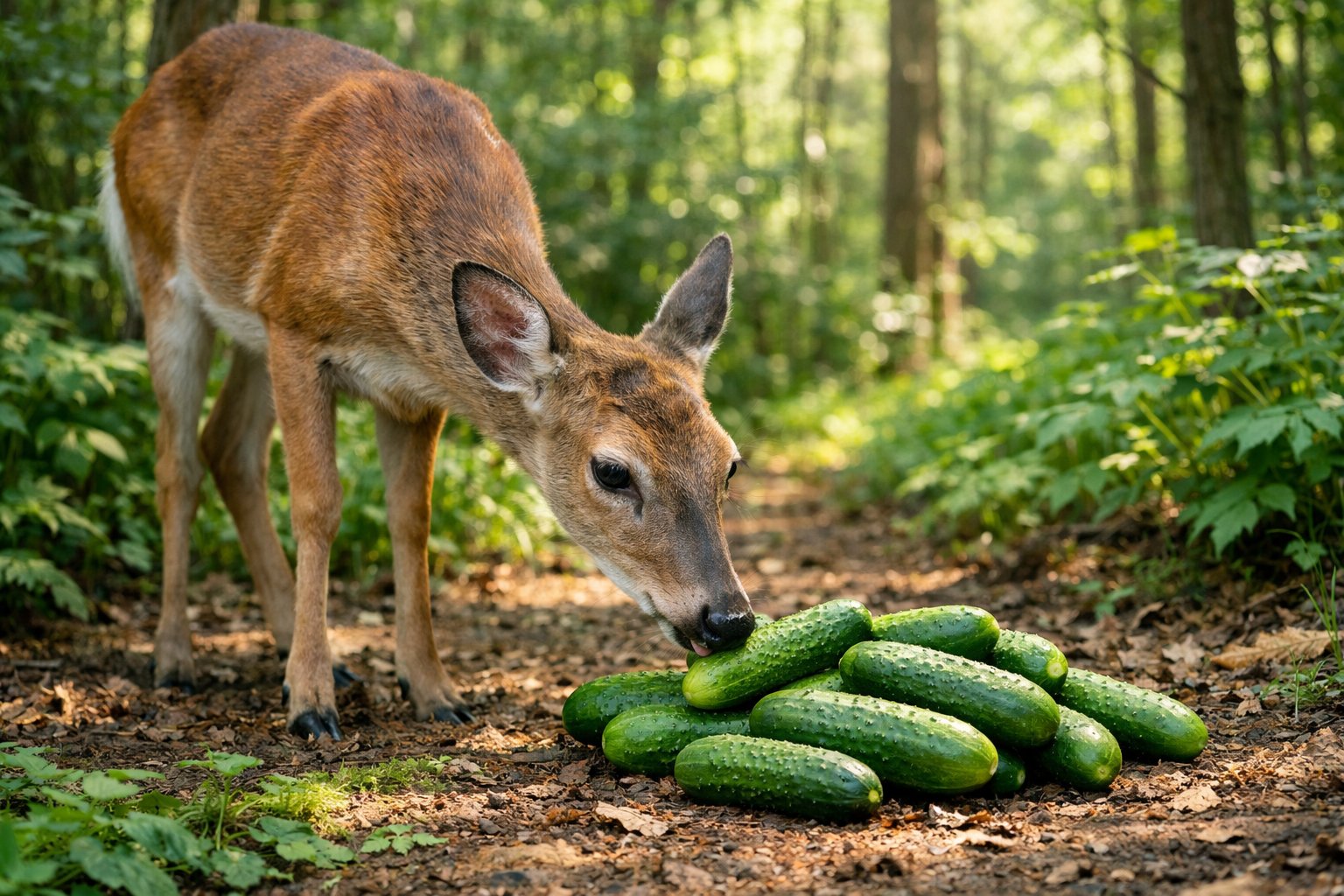
Let’s dig into how deer pick their snacks and which parts of the cucumber plant they might actually munch on.
You’ll get a sense of why cucumbers don’t usually attract deer and find a few tricks to keep your vines safe—because who wants to lose their harvest to some midnight snacking?
Do Deer Like Cucumbers?

Deer typically avoid cucumbers due to their texture and taste, but when food gets scarce, they’ll go for them. It’s worth knowing what makes cucumbers unappealing, when deer might change their minds, and how they decide what to eat in your garden.
Why Deer Sometimes Avoid Cucumbers
Cucumbers have rough, hairy vines and a bitter peel that deer just don’t enjoy chewing. Those tiny hairs on the leaves and stems can really bother a deer’s mouth, so they’ll go for softer, smoother plants first.
Deer like plants with more energy and sugar, and cucumbers mostly contain water—so not much of a meal, honestly.
If you grow smooth-skinned or mild-flavored cucumbers, deer might find them more tempting than the spiky ones. It depends on the variety.
Circumstances When Deer Eat Cucumbers
Deer act as opportunistic feeders, so when their usual food runs out, they’ll eat cucumbers. Drought, a tough winter, or a lack of other plants can push deer to try things they normally ignore.
You’ll probably see them nibble on the plant tips or young shoots first since those are softer. If you leave ripe cucumbers out in the open, a hungry deer might eat the fruit instead of the tougher leaves.
Are Cucumbers Toxic or Safe for Deer
Cucumbers won’t poison deer—they’re totally safe to eat. They give deer some water and a few vitamins, but not much energy.
If deer eat a lot of any one crop, though, it could upset their digestion. Try not to leave big piles of cut produce around, since that can attract not just deer but other critters too.
Deer Preferences in the Garden
Deer pick plants by smell, texture, and how much energy they can get from them. They usually go for tender, sweet, high-calorie stuff, and avoid prickly or bitter plants if they have better options.
They love flowers, new shoots, and soft fruits way more than rough vines. To keep cucumbers safe, you can use tall fences, netting, or even plant borders that deer don’t like.
Watching how local deer behave can help you figure out if your cucumbers are in danger or if they’ll get left alone.
How Deer Interact With Cucumber Plants

Deer usually ignore cucumbers when tastier options are around, but if they’re hungry, they’ll eat almost any part of the plant. You’ll notice they go for tender shoots first, then fruit, and the damage usually shows up overnight.
Do Deer Eat Cucumber Plants and Vines
Deer eat cucumber plants and vines if food gets scarce or if they’re easy to reach. They seem to prefer new growth, so vine tips and young shoots often get hit first.
If your cucumbers climb a trellis, deer might bite through the lower vines just to pull down the fruit. Some smooth-skinned cucumber varieties or ones with less prickly leaves attract deer more.
Pickling cucumbers with spiky skins usually get left alone. You can help by not planting super tasty stuff right next to your cucumbers.
Deer Damage and Signs to Look For
Check for ragged leaf edges and torn vine tips in the morning—deer tend to feed at dusk or overnight. Tracks, droppings, and trails through your garden mean they’re coming back regularly.
If you spot fruit with clean, rounded bite marks or missing ends, that’s probably deer, not rodents. Also, look for stripped stems or plants yanked from the ground.
Deer bites leave big, uneven tears and sometimes whole fruits disappear. If multiple plants get damaged in a similar way, deer are probably your problem.
What Parts of the Plant Deer Eat
Deer eat cucumber leaves, tender shoots, flowers, and fruit. They mostly avoid the rough, hairy leaves and prickly stems—unless they’re really desperate.
They go for soft, sweet parts first: young leaves, vine tips, and the middle of cucumbers. Smooth-skinned cucumber peels get eaten more than the thick, bitter ones.
Deer will even nibble flowers, which can mess with your fruit set. If they strip a lot of foliage, the plant can’t make enough food and it’ll struggle.
Deer Impact on Harvest
Deer love to munch on cucumbers, and honestly, they can wreck both the quantity and quality of your crop. When they eat flowers and young fruit, your yield for the season drops fast.
If deer take partial bites out of fruit, those cucumbers usually end up unsellable or just not great for fresh eating. Nobody wants to bite into that.
When deer keep coming back and browsing, the plants get weaker and stop setting new fruit. Sometimes, you’ll even lose entire plants if deer trample or yank up the vines while they’re feeding.
It’s best to protect your plants early on—right when the vines are short and flowers start popping up. That’s probably your best shot at saving the harvest.
If you want more info about whether deer eat cucumbers or how to keep your garden safe, check out this guide on deer and cucumber plants.


