
Ever spot a deer poking around your garden and wonder if carrots are on its snack list? Yep, deer will absolutely eat carrots if they find them. But honestly, feeding them carrots regularly can cause health and behavioral problems. Let’s look at when carrots might be okay and when they’re a bad idea, so you can decide what’s best for your yard.
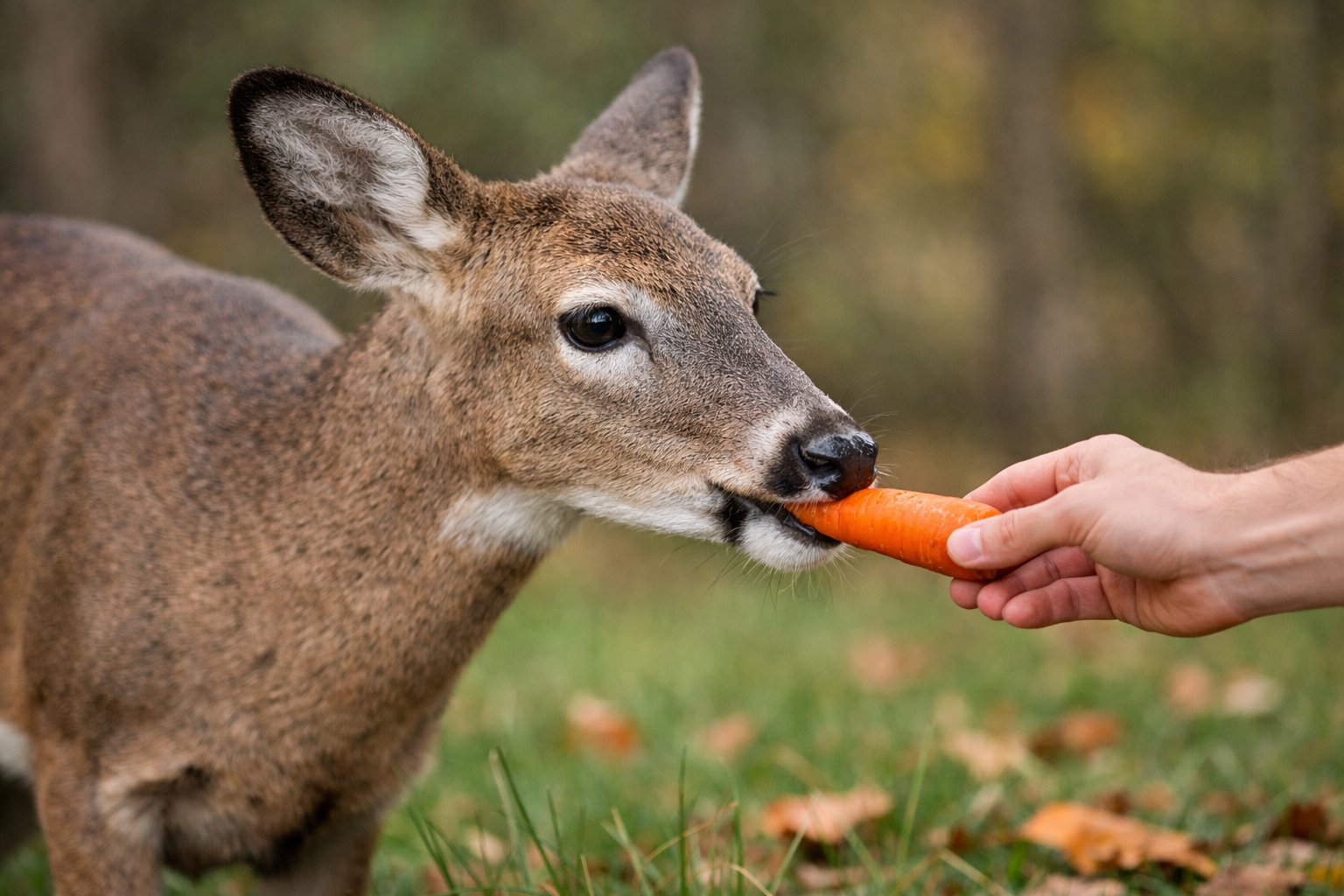
We’ll dig into why carrots seem so tempting to deer, how they fit (or don’t fit) in a deer’s natural diet, and what health issues pop up from too many sweet, starchy snacks. Stick around for some simple steps to protect your garden and the deer who wander by.
Will Deer Eat Carrots?

Deer eat carrots when they find them. They munch on both the orange root and the green tops.
Usually, they grab carrots when other food is hard to come by or just easy to reach.
Why Deer Are Attracted to Carrots
Carrots taste sweet and have a lot of water. You’ll see deer go for them fast, especially in late fall and winter when fresh food is tough to find.
Carrots give them some quick calories and vitamins, like beta-carotene. If you leave carrots exposed in your garden, deer often dig or nibble to get both the roots and the leafy tops.
Even the smell of freshly dug soil can pull them in to newly planted or unearthed carrots.
If you keep leaving carrots out, deer will remember and come back. That spot turns into a regular hangout, so expect more visits once they know there’s an easy meal.
Wild vs. Garden-Grown Carrots
Wild carrots (Daucus carota) look smaller, feel woodier, and don’t taste as sweet as the garden ones. Deer usually skip wild carrots and go straight for the softer, sweeter garden varieties.
Garden-grown carrots are bigger, juicier, and much easier to eat. In gardens, deer sometimes pull up plants or dig around for the roots.
They’ll eat the greens too since those are tender and tasty.
If you’re growing carrots, expect more damage in your beds. Fencing or using deterrents helps, since deer treat garden carrots like a gourmet treat compared to wild ones.
Deer Eating Carrots: Behavior and Frequency
Deer don’t hunt for carrots all day. They usually sneak into gardens at dawn or dusk and grab a few carrots at a time.
They might come back over several nights, especially if they find an easy meal.
Their behavior changes with the season and what food is around. In winter and early spring, carrots can make up more of their diet because there’s not much else.
In summer, they’d rather munch on fresh leaves and forbs, ignoring carrots unless they’re desperate.
If you feed carrots often, deer will get used to it and show up more. That can lead to more garden damage and bolder deer hanging around your place.
If that’s not what you want, stop feeding them and put up some barriers.
- Garden tip: Use fencing at least 8 feet high or try double-row fencing to keep deer from jumping in.
- Feeding note: Skip processed or canned carrots; if you must, only offer fresh roots.
You can check out more about deer and carrots at the Institute for Environmental Research, which goes into detail about why deer like them.
Health Implications of Feeding Deer Carrots
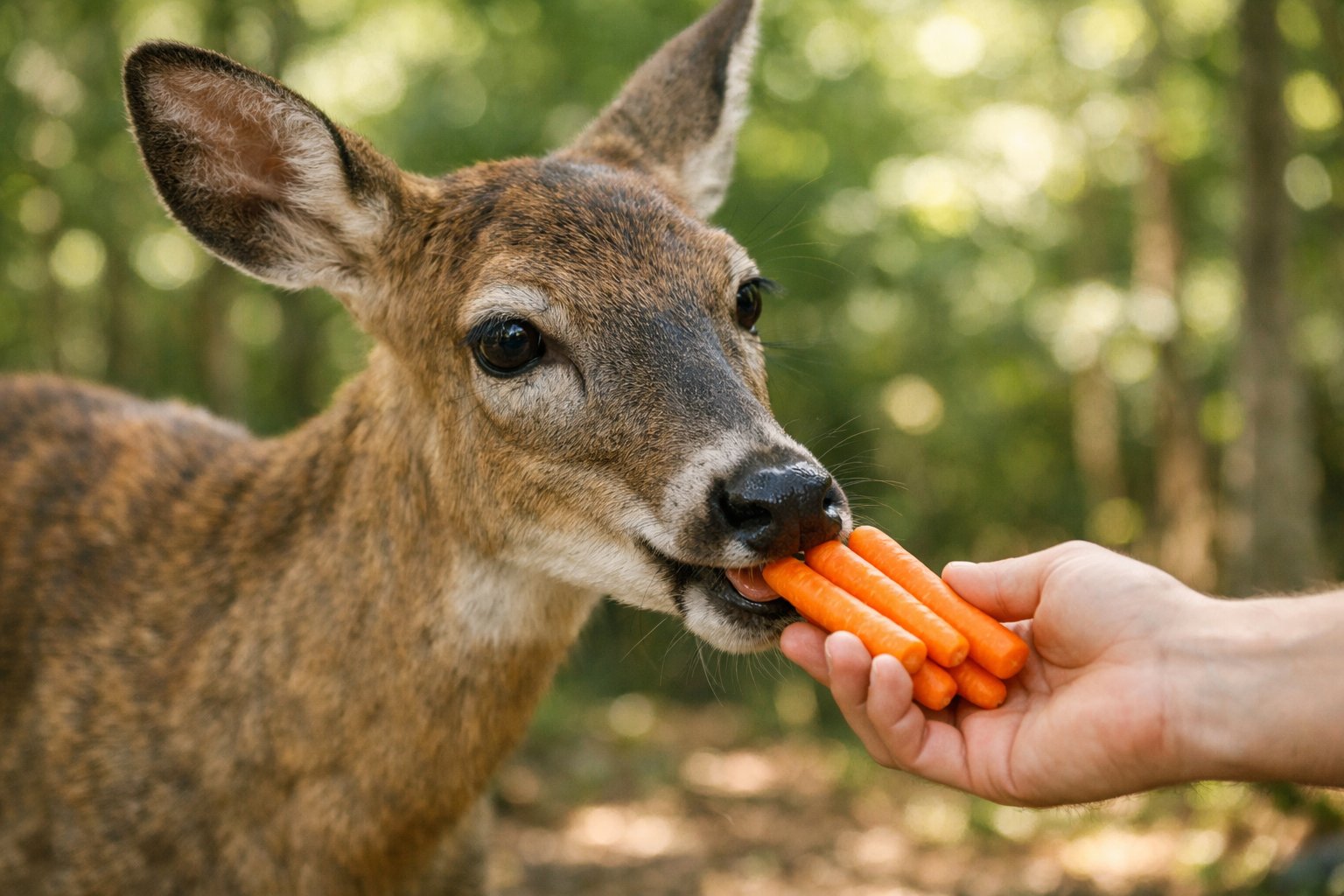
Feeding carrots gives deer a quick burst of energy and some vitamins. But it can also mess with their digestion and change how they act.
Here’s what’s actually helpful, what’s risky, and how to offer carrots safely if you really feel you have to.
Nutritional Value of Carrots for Deer
Carrots give simple carbs, water, and some vitamin A (beta-carotene). A 100 g raw carrot is mostly water and sugar, so it’s quick energy but not much fiber or protein compared to what deer eat in the wild.
That’s important because deer are ruminants. Their four-chambered stomachs need high fiber and a stable gut to break down food.
Carrots have a bit of potassium, vitamin C, and antioxidants. These help vision and immune function in small amounts.
But carrots don’t have the fiber and protein deer need for rumen health, antler growth, or long-term energy.
Benefits of Carrots for Deer
You might use carrots in a pinch to help deer bounce back from short-term energy loss. In rough winters when food is buried, a few raw carrots can give them a quick boost.
Wildlife rehab folks sometimes add carrots to a balanced diet for orphaned or injured deer.
Carrots also work as bait if you need to monitor deer or move them for treatment. Beta-carotene helps with eyesight and skin health, but only if you use carrots rarely.
If you’re going to feed them, do it as an occasional treat and pair with higher-fiber feed, preferably under a professional’s supervision.
Risks of Feeding Deer Carrots
Feeding too many carrots can mess up a deer’s stomach. High sugar levels throw off their gut microbes and can cause rumen acidosis.
You might notice diarrhea, lethargy, or a drop in appetite. Over time, too many carrots can lead to poor nutrition, worn teeth, obesity, and higher disease risk when deer gather in groups.
When you attract deer with carrots, you also raise the risk of spreading diseases like chronic wasting disease and parasites. It can make deer rely on people for food and change their natural movement.
Carrots just don’t have enough fiber or protein for healthy antler growth or for does that are nursing. Relying on them isn’t good for the herd’s health.
How to Feed Carrots Safely
If you want to give deer carrots, keep the portions small and don’t offer them often. That way, the deer won’t end up eating too much sugar.
Only hand out carrots in emergencies, or if a wildlife professional or licensed rehabilitator tells you to. If you’ve started feeding them, try to cut back slowly over several weeks. You really don’t want to surprise deer that have gotten used to you.
Don’t just toss carrots in one spot where a bunch of deer might crowd together. Spread out small piles—this helps lower the risk of disease and keeps things calmer.
Skip mixing lots of carrots with high-starch feeds like corn. That combo isn’t great for deer.
If you’re thinking about regular supplementation, you might want to use deer pellets. These usually have a better balance of fiber and protein than carrots.
And before you do anything, check your local rules. Some places don’t allow feeding at all, just to keep deer populations healthy.


