
Here are five surprising facts about deer that shed light on how they live, move, and survive. Deer can grow antlers that are the fastest-growing living tissue, some species have unusual teeth instead of antlers, and many rely on sharp smell and sight to escape danger. Let’s dig into these facts and see what makes deer behavior and diversity so interesting.
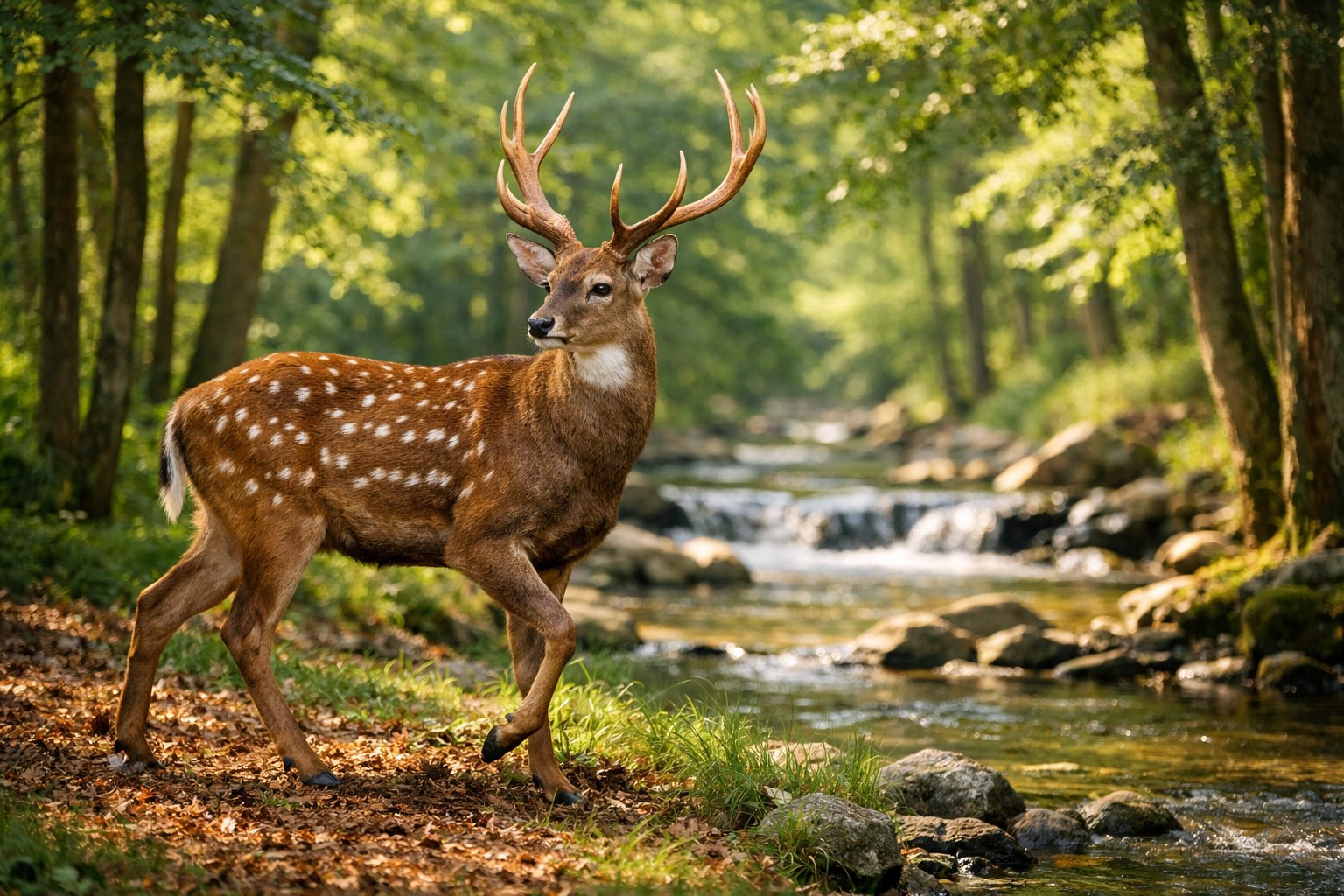
As you scroll, you’ll find quick, easy-to-read info about deer biology, behavior, and what sets different species apart. Each fact connects to how deer adapt to forests, fields, or even your backyard — so you can spot what makes each species unique.
Five Fascinating Facts About Deer

You’ll see how deer use antlers, why fawns have spots, how their stomachs handle plants, how sharp their senses are, and how they move through tough places. These facts reveal how deer survive, find food, and dodge danger.
Antlers: Fast-Growing and Unique to Most Males
Most male deer, or bucks, grow antlers from their skulls each year. They start as soft, velvet-covered tissue that’s full of blood and nutrients.
Antlers can shoot up fast — sometimes over an inch a day in spring and summer. They help bucks attract mates and fight off rivals. Bigger antlers usually mean a stronger, healthier buck during mating season.
After breeding, bucks drop their antlers and start growing new ones. Not every deer follows this pattern, though. Female caribou (reindeer) also grow antlers. Some species, like the Chinese water deer, skip antlers altogether and grow tusk-like teeth for fighting.
Fawns Have Spots for Camouflage
When deer are born, we call them fawns. They usually have white spots scattered on a brown coat. The spots break up their outline and help them blend into the dappled light on the forest floor.
This camouflage keeps them hidden from predators during those risky first weeks. Mothers leave fawns tucked away while they go off to feed. The fawn stays still, and the mom might even lick away scents or eat droppings to hide their smell.
Fawns can stand and walk within minutes, but they still depend on hiding and mom’s care for a while. As the fawn grows and gets better at running, the spots fade. Once it can keep up with the herd, speed and sticking together matter more than blending in.
Deer Have a Four-Chambered Stomach
Deer are herbivores and ruminants, munching on grasses, leaves, twigs, acorns, and fruit. Their four-chambered stomach helps them pull nutrients from tough plant fibers that most animals can’t handle.
Food lands first in the rumen, where microbes get to work breaking it down. Deer then bring up cud and chew it again to make it smaller. The other chambers — reticulum, omasum, and abomasum — finish digesting food and soaking up nutrients.
This system lets deer survive in places with poor-quality plants and make it through winter by eating woody twigs. If their diet changes too quickly, though, their stomachs can get upset since digestion depends on gut microbes.
Exceptional Senses: Smell, Hearing, and Vision
If you’ve ever tried to sneak up on a deer, you know they almost always spot you first. Deer have a sharp sense of smell, using it to sniff out predators, find food, and communicate with scent marks.
Their noses can pick up scents from far away, making smell one of their best defenses. Their hearing is pretty incredible too. Deer swivel their big, cup-shaped ears to catch the faintest sounds, like a twig snapping or another deer calling.
Their eyes adapt well to low light. With eyes on the sides of their head, deer get almost a 300-degree field of view in some species. Many have a tapetum lucidum, a shiny layer behind the retina that boosts night vision.
They don’t see colors the way we do, but they’re great at spotting movement and contrasts. That’s probably why they seem to vanish before you even realize they’re there.
Deer Are Skilled Jumpers and Swimmers
Deer use strong legs to escape danger. Many can sprint up to 30–40 miles per hour for short bursts. They jump high, often clearing fences and obstacles thanks to powerful hind legs and flexible spines.
Jumping lets deer dodge predators or move through rough ground. You might see a deer leap over a 6–10 foot barrier, depending on the species and situation.
They’re also pretty good swimmers. Deer use steady strokes to cross rivers and lakes when they have to. Swimming helps them get away from threats, reach new feeding spots, or migrate to new areas.
These skills, paired with sharp senses and camouflage, give deer a real shot at survival.
Diversity and Behavior Across Deer Species

Deer come in all shapes and sizes. You’ll find everything from tiny pudus to massive moose, each with their own diets, social habits, and roles in the wild.
Types of Deer and Global Distribution
Deer belong to the Cervidae family, which includes about 43 true species. In North America, you’ll spot white-tailed deer, mule deer, elk (wapiti), and moose. Europe and Asia have roe deer, red deer, sika deer, and the now-extinct Irish elk, famous for its huge antlers.
Reindeer (caribou) live in Arctic and subarctic regions and can be semi-domesticated. Some of the smallest species, like the pudu and southern pudu, live in South America. Hog deer show up in parts of Asia, while the Chinese water deer stands out for its tusks instead of antlers.
A lot of deer species adapt to human spaces. White-tailed deer thrive in suburbs, which sometimes leads to more deer-vehicle collisions. Other species stick to forests, mountains, or wetlands.
Range size really matters. Some deer are everywhere, but others—especially those on islands or in swamps—face local declines.
Communication and Social Structure
Deer communicate with sound, scent, and body language. You might hear grunts, bleats, or alarm snorts during mating season or when danger’s close. Scent glands on their legs and forehead mark territory and show reproductive status.
Social life changes by species and season. Some deer form small, steady family groups of does and fawns. Others, like elk and reindeer, gather in big herds that move with the seasons.
Males usually go solo outside of mating season, then compete during the rut using antlers or tusks. Antlers grow fast every year and show off a male’s fitness. With reindeer, females also grow antlers, which isn’t the norm for most deer.
Deer’s Role in Ecosystems and Relation to Predators
Deer shape plant communities as selective browsers. They usually go for nutrient-rich shoots, buds, and fruit instead of coarse grasses.
When deer numbers get high, they can make it tough for forests to regenerate. This change also affects habitats for lots of other species.
Wolves, cougars, and bears keep deer populations in check where they still roam. But in places without those predators, people and cars end up causing most deer deaths.
The size of your local deer population changes how predators behave, shifts plant diversity, and might even affect disease risk. Managing deer numbers can help balance ecosystems, lower car accidents with deer, and keep young trees safe for other wildlife.
If you want to dig deeper, check out some reading on deer characteristics and global species differences—like this detailed overview of deer traits and distribution (Encyclopaedia entry on deer).


