
You’ve probably heard all sorts of names for deer in casual chats or around hunting camps. The most common slang you’ll bump into are simple words like “doe” for a female, “buck” for a male, and playful nicknames like “rack” or “swamp donkey” that hunters toss around. Let’s check out the familiar slang and some of the weirder nicknames people use in different places.
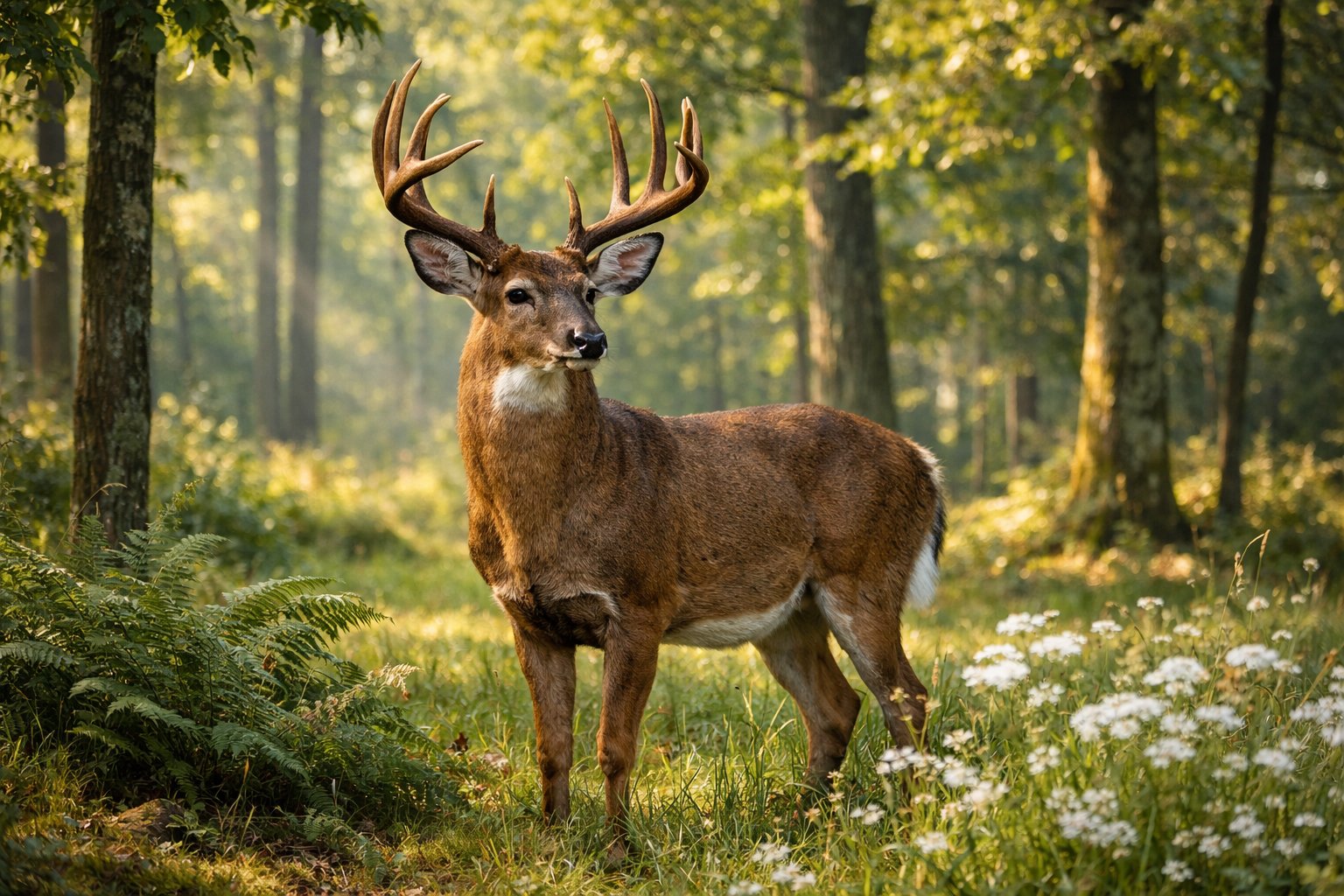
Some of these terms come straight from hunting culture, while others pop up in movies or local stories. Slang changes a lot depending on where you are and who you’re with.
Keep reading to spot the words that really matter and figure out when to use them.
Most Popular Slang Names for a Deer
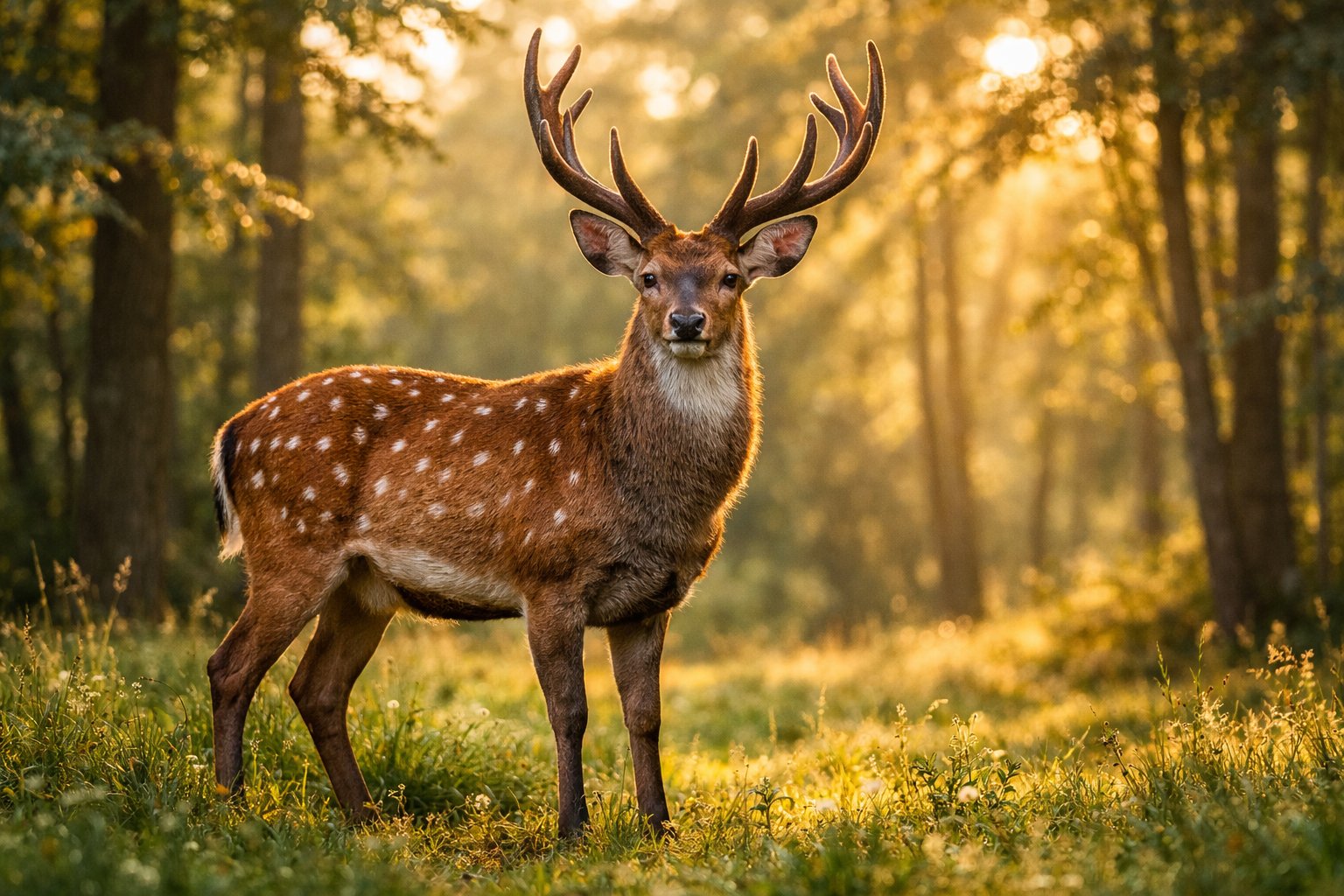
Let’s jump into the two-word labels and fun nicknames hunters and outdoorsy folks use. I’ll keep the explanations short and tell you where these names come from and when people usually drop them into conversation.
Buck and Doe: Classic Deer Slang
You’ll hear “buck” for a male and “doe” for a female just about everywhere. “Buck” works for whitetail and mule deer; it shows the sex and sometimes hints at age when people add words like “stag” or “hart.”
Hunters in some spots call antlerless deer “baldies” or “hinds.” It’s rare, but older does might get called “hind.” If a buck keeps showing up on your trail camera, you might call it a “resident buck.”
Whitetail Nicknames and Their Origins
Whitetail deer get all sorts of nicknames based on antlers, size, or even camera sightings. You might hear “old long nose” for a mature buck with a long face, or “quarter pounder” when someone spots a heavy deer.
People who use trail cameras often give bucks short, catchy names to keep their records straight.
Young deer go by “fawn,” and they keep their spots while sticking close to their moms. Hunters and photographers come up with nicknames based on what a deer does—a curious buck might get called a “shooter” if it’s a good target.
If you want to browse a pile of creative deer nicknames, check out this deer nicknames collection.
Colorful and Creative Deer Nicknames
Some folks love tossing out quirky names like “swamp donkey” or “pretzel head.” “Swamp donkey” usually means a big, tough buck that hangs out in marshes.
” Pretzel head” points to deer with twisted, odd-looking antlers that grab your attention.
Groups of deer sometimes get funny labels, too. People might call a feeding group a “pumpkin patch.” Friends joke around with slang like “stooopid,” and you’ll see long lists of goofy names for bucks caught on camera.
Regional and Hunting Slang for Deer
Hunting communities like to keep things short and sweet. Bowhunters might call their bow an “axe.” You’ll see texts with “BBD” (Big Buck Down) right after a successful hunt.
If a deer drops its antlers, hunters say it’s a “slick head” or mention a “shed hunting line.”
Species-specific words pop up too: “whitetail” for Odocoileus virginianus, “mule deer” for Odocoileus hemionus. In the UK, people say “brocket” or “stag” more than “buck.”
It’s not a bad idea to keep a quick list on your phone so you don’t sound out of place with your hunting buddies.
Slang in Deer Hunting & Culture
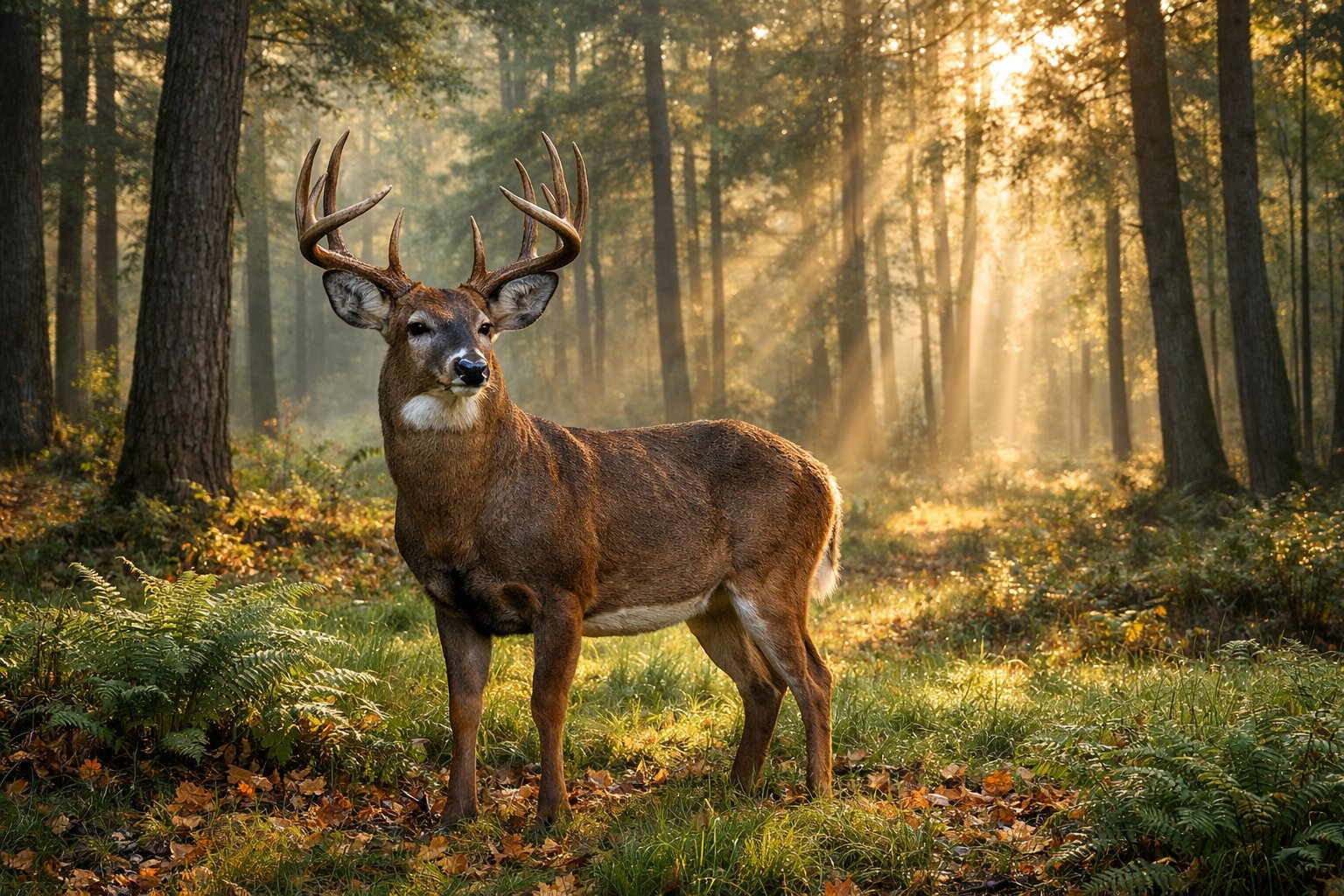
Hunters toss around slang for deer, gear, hunting seasons, and even deer behavior. These words come from time spent in the field, trail cameras, and online lists.
They help you share quick stories and info with other hunters.
Hunting Jargon and Deer Behavior
Hunters use short words to talk about deer and what they’re doing during hunting season. You’ll hear “doe” for a female, “buck” or “stag” for males, but also slang like baldies or slick heads for deer that lost their antlers.
If someone says a buck has a great rack or calls it a wall hanger, they mean the antlers are trophy-worthy.
Gear gets its own nicknames. Archers might call a bow an axe or stick-n-string, and the noise it makes is string music. Run-n-gun describes a style where hunters move fast and don’t sit still.
You might hear about a shed hunting line—a group sweeping a field for antlers after winter.
Trail cameras bring their own slang. If your buddy’s camera shows off some huge bucks, you might get a bit of SD card envy—who wouldn’t?
Modern Slang Sources and Online Tools
Most new slang pops up online or in hunting forums. There are sites that list hunting lingo like axe, run-n-gun, and baldies.
Urban slang collections and community glossaries help track how words change over time.
Some hobbyists use open-source projects and APIs to build tools that gather terms from trail cam captions and hunter posts. Those tools make it easy to look up words in the field.
Social media, podcasts, and trail cam groups spread new slang super quickly these days.
How Slang Reflects Deer Traits and Behavior
Slang usually highlights what stands out about deer—traits or behaviors you just can’t miss. For example, people use velvet to talk about that fuzzy growth stage on antlers.
When someone says fawn, they’re just pointing out a young deer. If you hear someone call a deer naive or use the phrase “deer in headlights,” they’re probably talking about how a deer freezes up around hunters or cars.
Hunters love naming animals by where they hang out or what they do. A resident buck sticks to one area, and oddly enough, pumpkin patch sometimes means a whole group of deer.
Sometimes the slang gets playful or even a little self-deprecating. Phrases like chronic phone display-aphilia or calling someone gullible poke fun at how obsessed or competitive hunting culture can get.


