
Ever watched your dog take off after a deer and wondered if it might actually catch up? Most of the time, deer will leave dogs in the dust, but breed, health, and even the ground under their feet can change things.
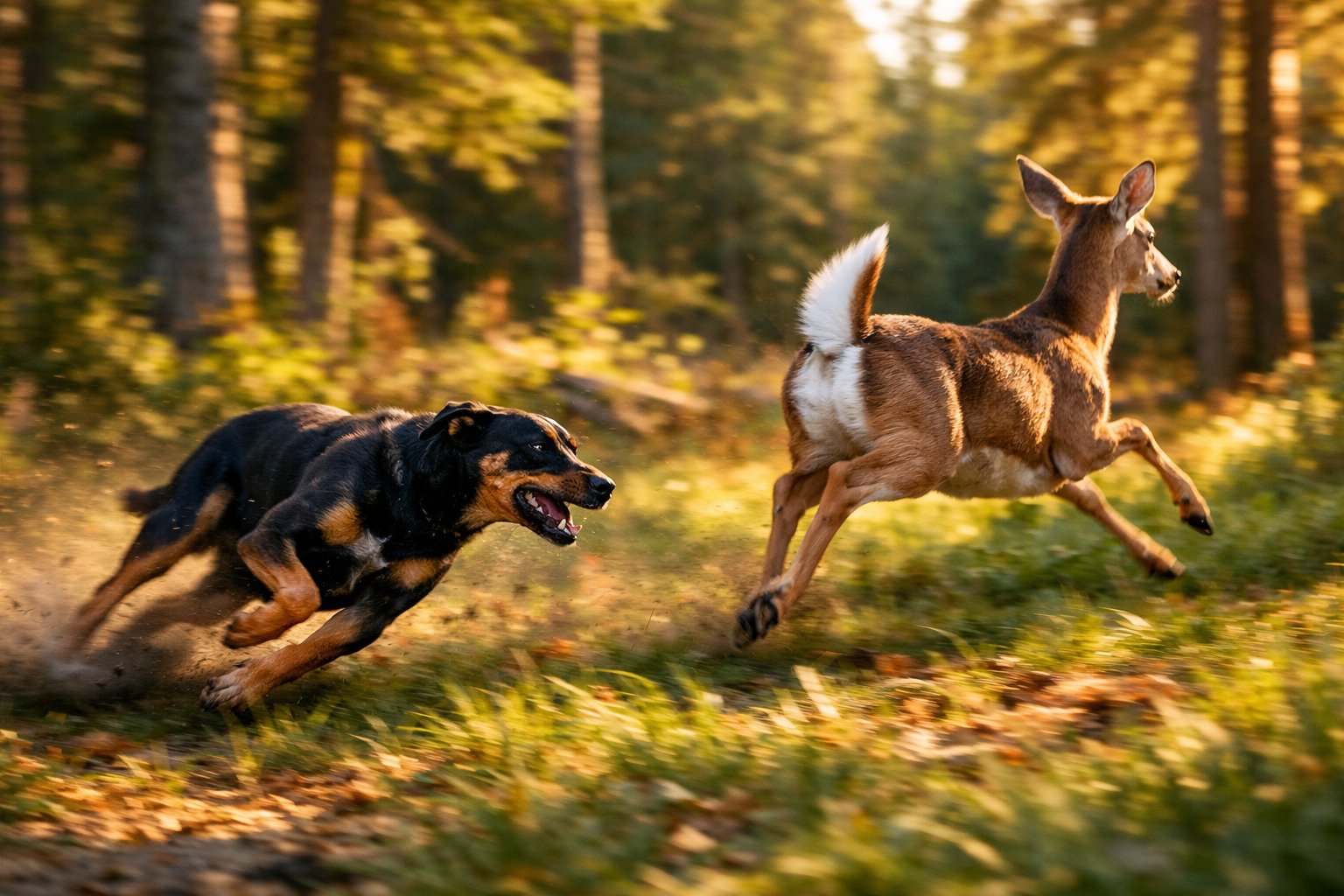
Let’s dig into how speed, stamina, and pure instinct play into these wild chases. I’ll share some tips to keep your dog safe—and keep deer out of trouble too.
Can Dogs Outrun Deer? Exploring the Key Differences

You’re about to find out which animal usually wins the race, what gives deer their edge, and how your dog’s breed changes the story. Let’s break it down and see when a dog might keep up—or when a deer will just disappear.
Comparing Dog and Deer Running Speeds
Deer can hit bursts of 30–45 mph, depending on the species. White-tailed deer usually sprint at 30–35 mph, but bigger deer sometimes run even faster.
Most pet dogs top out at 20–45 mph, breed depending. Greyhounds and Salukis can reach 40–45+ mph, so they can match or even beat a lot of deer, at least for a short stretch.
Medium breeds like German Shepherds usually max out around 30 mph. Many family dogs are slower, running at 15–25 mph.
But speed isn’t everything. Deer accelerate from a standstill and zig-zag or use cover to shake a pursuer. Your fast dog might win on open, flat ground, but deer often escape with sudden turns or rough terrain.
Physical Adaptations in Deer for Speed and Evasion
Deer have long tendons and flexible joints in their legs, letting them store and release energy each step. This design helps them sprint fast and keep going longer than you’d think.
Their hooves grip dirt and grass, while muscle placement helps them take off in a flash. Deer bodies are narrow and lightweight, with a high center of gravity, so they can turn quickly.
Big eyes on the sides of their heads give deer a wide field of vision. They spot threats early. Fawns and pregnant does run slower, so they’re easier for a dog to catch than a healthy buck.
Behavior makes a difference too. Deer bolt in short bursts, weave between trees, and jump over things. These tricks make life tough for a chasing dog, especially one that tires fast or can’t handle rough ground.
How Dog Breeds Influence Chase Outcomes
Your dog’s build and training mean everything here. Sighthounds like greyhounds, salukis, and ibizan hounds have long legs and lean bodies for top speed and quick pursuit. On open ground, they might outrun a deer for a short dash.
Hunting and herding breeds—think vizslas, pointers, labs—blend speed with stamina and tracking skills. They might keep up longer, but they usually don’t hit the top speeds of a deer.
Smaller dogs or breeds with flat faces (like bulldogs and pugs) just aren’t built for speed. They tire fast and can’t handle heat, so catching a deer isn’t happening.
Training and prey drive matter a lot. A dog with solid recall might stop chasing if you call. But a dog with high prey drive may keep going, even if it’s hopeless, which risks injury for both animals.
If you walk where deer hang out, leash up those fast breeds. It’s safer for everyone.
Real-World Consequences: Wildlife, Safety, and Responsible Ownership
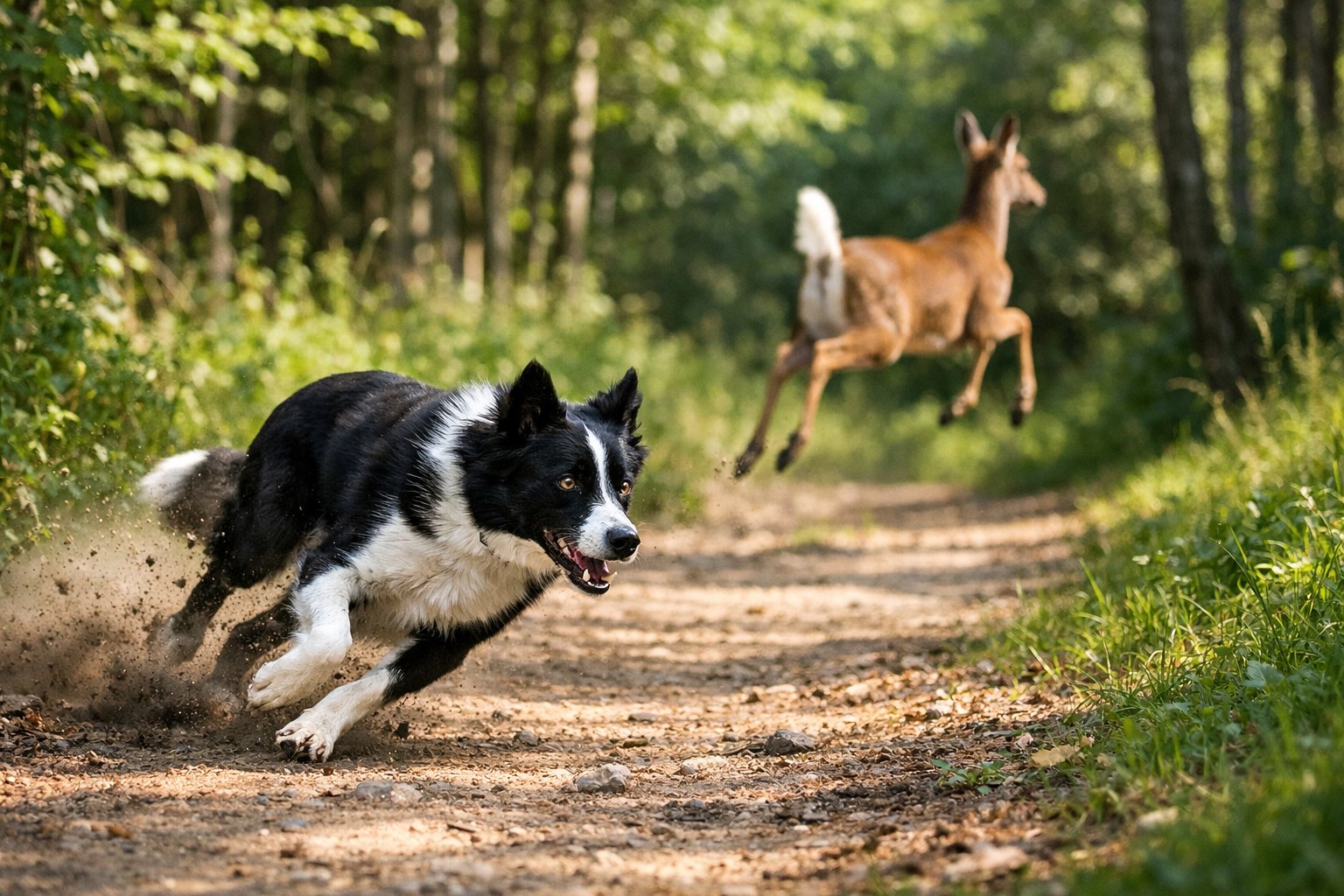
When dogs chase or attack deer, wildlife can get hurt, your pet could be injured, and you might run into trouble with the law. You’ve got to control your dog near trails, respect the season, and know the local rules to keep things safe for animals and people.
Risks of Dog Attacks on Deer and Deer Defense Behaviors
Dogs can injure or even kill fawns and weaker adult deer. One dog cornering a fawn might cause bite wounds, broken legs, or enough stress that the mother abandons her baby.
If more than one dog gets involved, the odds of a serious injury or kill go up. Deer fight back when trapped. Bucks use antlers and hooves to gore or kick, and even does or fawns might lash out.
A dog can end up with deep wounds or broken bones. When a dog chases into thick brush or water, deer can trap and hurt it.
If you hunt or walk near wildlife, keep your dog close and don’t push deer out of hiding. Idaho Fish and Game reminds us that chasing wildlife brings consequences for everyone.
Legal, Ethical, and Wildlife Management Considerations
A lot of parks and wildlife areas require leashes and punish owners if their dogs harass game. You might get fined or cited if your dog chases big game, unless you’re in a regulated hound-hunting area.
It’s not just about laws. You should avoid stressing wildlife and spreading disease. Dogs in sensitive habitats can lower the number of animals the land can support and disrupt breeding.
Wildlife agencies sometimes ban or restrict dogs in certain areas during critical times. If you hunt, stick to licensing and hound-hunting rules to avoid legal trouble and help with wildlife management.
Seasonal Factors: Fawning and Rutting Impact
Spring and early summer bring extra risk—fawns are everywhere and can’t always run or hide. A curious or playful dog may stumble on a fawn that can’t escape.
You should avoid fields and thick brush during fawning season. In the fall, rutting season brings new dangers.
Territorial bucks act differently and might confront a dog. Bucks defending their turf or a doe can charge and cause real harm.
Your dog’s risk of injury jumps if it messes with a rutting male. Wildlife managers post seasonal warnings, so pay attention to signs and local advice.
Change your walking routes and leash up during fawning and rutting. It’s just safer for everyone.
Protecting Both Wildlife and Pets Outdoors
Keep your dog close with a leash, a short tether, or solid voice recall when you’re near animal habitats. On trails, stick with a 6-foot leash, but grip it shorter when you’re close to dense brush or streams—places where deer like to rest and feed.
Don’t let your dog run loose at dawn or dusk, or in fields full of tall grass. That’s when deer are most active, and you’re more likely to stumble across hidden fawns. If you’re hiking in grizzly country or where big carnivores roam, bring deterrents and actually follow the guidance from the park—it’s not just for show.
If your dog ends up in a tangle with wildlife, check for injuries right away. Get your pet away from the spot, and if things got serious, let local wildlife authorities know.
Honestly, using a leash and sticking to wildlife rules goes a long way toward protecting both deer and your own dog.
Helpful links: read about dog impacts on wildlife at The Nature Institute and responsible ownership guidance from Idaho Fish and Game.


