
You’ve probably spotted deer in your yard, on the road, or maybe nibbling at your garden. Sometimes, culling really is necessary—especially when deer numbers start causing problems for people, property, or local ecosystems.
Culling matters most when herds grow bigger than the land or community can handle. That’s when you’ll see more car accidents, crop damage, and even harm to natural habitats.
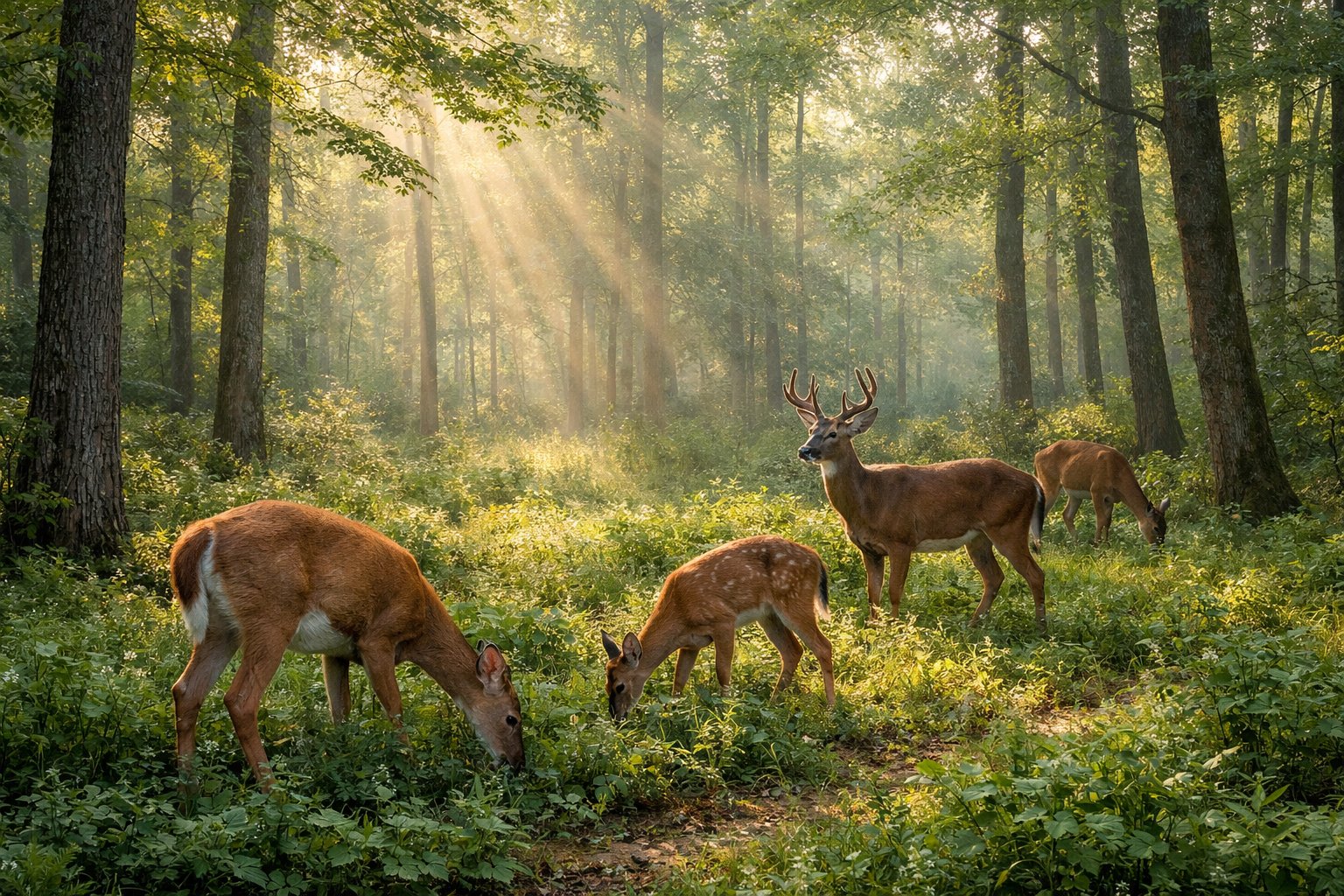
Let’s dig into why wildlife managers talk about culling in the first place. What kinds of trouble do unchecked deer populations bring? And what are the different ways—culling included—that communities use to keep things in balance?
The next sections break down the reasons, the usual practices, and some alternatives. That way, you can decide what makes sense for your area and your own sense of what’s right.
Why Do We Need to Cull Deer?

When deer numbers rise, you’re faced with some tough choices. Managing deer can have a real impact on forests, farms, roads, and even the health of people and wildlife.
Deer Overpopulation and Its Consequences
When deer populations outgrow what the land can support, plants disappear faster than they can bounce back. You’ll notice overgrazed woods and fields, with young trees and shrubs eaten before they ever get big.
That means less food and shelter for birds, small mammals, and even other deer. Too many deer also put stress on their own herd.
When food runs short, you see more starvation and disease. By managing numbers through culling, you can lower competition and reduce suffering among deer.
Ecological Impacts of Too Many Deer
High deer density can really mess with ecosystems. You might see fewer wildflowers, less new tree growth, and more invasive or shade-loving plants taking over.
That drop in plant variety means less habitat for other animals. Overbrowsing also breaks the links that keep forests healthy and diverse.
With fewer young trees, the forest’s structure changes, and long-term health takes a hit. Culling can help bring browsing down to a level where plants and animals have a chance to recover.
Human-Deer Conflicts and Safety
Where deer are common, you’ll probably run into more deer-vehicle collisions. Those accidents cause injuries, property damage, and sometimes even deaths.
Farmers and homeowners lose crops and garden plants to hungry deer, which gets expensive fast. Deer also carry ticks that can spread Lyme disease and other illnesses.
By cutting local deer numbers in certain ways, you reduce the odds of crashes and crop loss, and you help protect your health and property.
The Role of Natural Predators and Predator Loss
Predators like wolves and mountain lions used to keep deer in check. As those predators vanished, deer numbers shot up in a lot of areas.
If you look at places where predators still roam, you’ll see healthier forests and more balanced ecosystems. Trophic cascades there help everything from trees to birds.
In spots where predators can’t return, wildlife managers step in. Regulated culling or hunting rules become some of the only ways left to control deer and protect habitats.
Culling tries to fill the gap left by missing predators, aiming to keep the ecosystem healthy for the long run.
Methods and Alternatives for Managing Deer Populations
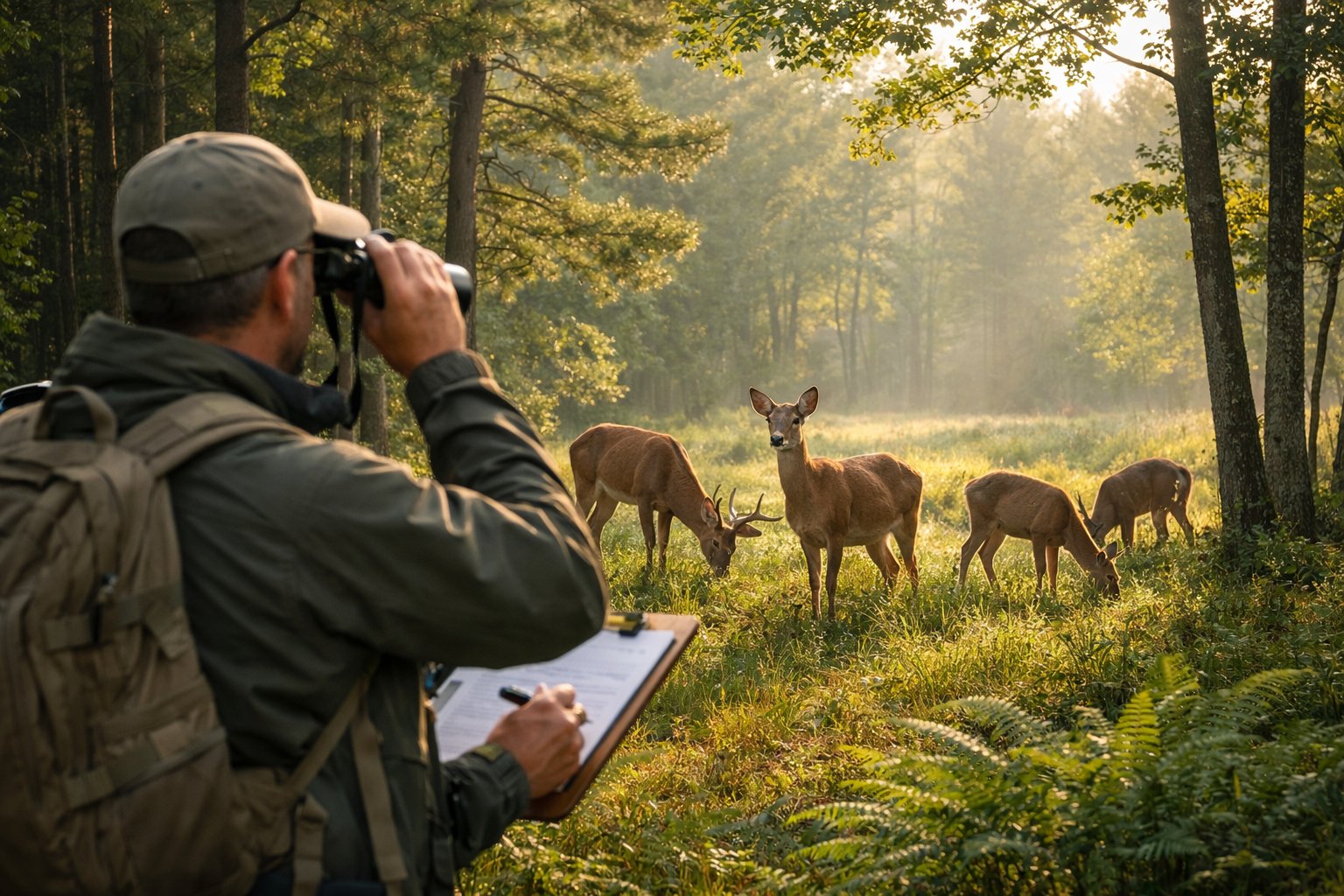
Let’s look at what managers actually do to lower deer numbers or reduce conflicts. Here’s a rundown of the main methods, how they work, and what you can expect from each.
Culling Techniques: Controlled Hunting and Sharpshooting
Controlled hunting puts licensed hunters in specific areas during set seasons. You might join through a state program or support managed hunts on public land.
This approach brings deer numbers down quickly and provides venison for local use. Hunters need to follow strict regulations, bag limits, and safety rules set by agencies like the Missouri Department of Conservation or your local wildlife office.
Sharpshooting uses trained teams with precise rifles, often at night in places like parks. Wildlife managers or contractors handle the permits, safety plans, and public notices.
Sharpshooting works where regular hunting isn’t safe or possible, but it can spark public concern and needs careful oversight. Costs include paying staff, disposing of deer, and securing sites.
Both methods need follow-up monitoring to make sure population goals are met and to see if crashes and habitat damage go down.
Non-Lethal Approaches: Fertility Control and Relocation
Fertility control tries to slow population growth using vaccines or surgical sterilization. You might see immunocontraception used on does, but it requires capturing deer, repeat treatments, and trained staff.
This method works best in small, contained herds and takes years to show results. It’s expensive and needs long-term monitoring to track births and survival rates.
Relocation means moving deer somewhere else. Honestly, this rarely works out.
Deer often return, or they struggle with stress and disease, and most new sites don’t want extra animals. Wildlife managers and animal protection groups usually recommend against relocating large numbers of deer.
If relocation happens, it needs permits, quarantine checks, and post-release monitoring to see how the deer do and if diseases spread.
Legal and Regulatory Considerations
You need to stick to local and state laws for any deer management. Wildlife agencies like the Missouri Department of Conservation set hunting seasons, allowed methods, and bag limits.
Some towns ban feeding deer, set up fencing rules, or even restrict sharpshooting in parks. It’s easy to miss a detail, so double-check the municipal codes.
If you’re planning to cull, relocate, or use fertility programs, you’ll probably need a permit. You’ll also want to think about public notices, liability insurance, and working with law enforcement—honestly, it’s a lot to juggle.
Animal protection groups might get involved, especially during public hearings or policy talks. Their opinions can really sway land management decisions.
Keep your records organized, and be clear about your goals. That’s your best shot at staying on the right side of the law and keeping community trust.


