
Ever hear a sudden, sharp bark outside after dark and wonder what on earth made it? Chances are, a deer just sounded the alarm.
Deer bark when they sense danger, pick up on strange noises, or feel the need to warn others nearby. That bark at night? It usually means a deer’s telling the rest to freeze or run because something set off its alarm bells.
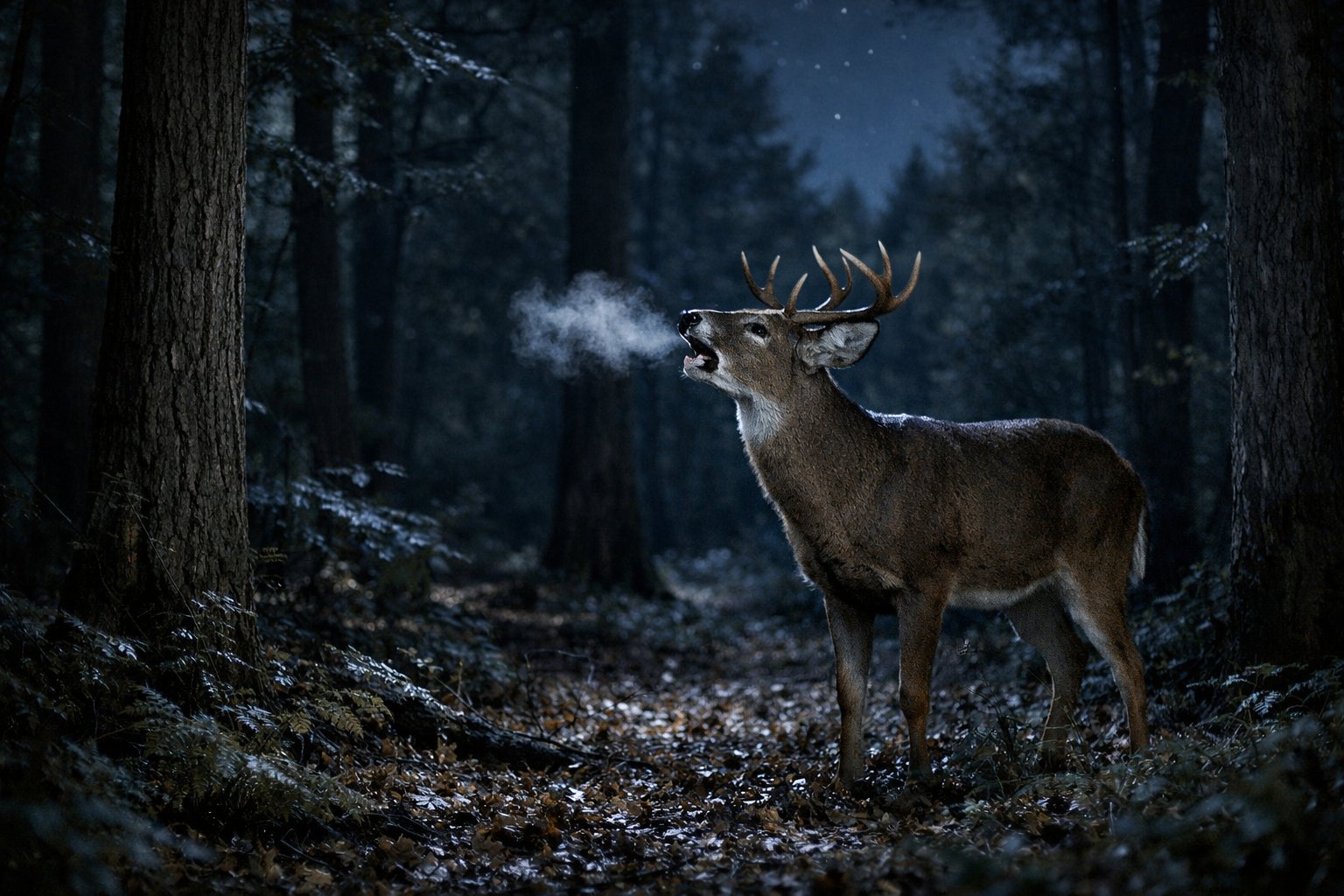
Some deer species bark more than others, and things like mating, territory squabbles, or sudden surprises can set them off. Curious what makes deer bark at night, how to guess what it means, or what you should do if you hear it near your place? Let’s dig in.
Why Do Deer Bark at Night?

Deer mainly bark at night to warn others, react to threats, or talk during mating season. You’ll hear quick, sharp barks that can signal alarm, disturbance, or even a territorial claim, depending on the deer and the moment.
Deer Barking as an Alarm Response
When a deer barks at night, it’s usually warning others about danger. Deer let out a loud, sudden bark to alert nearby animals about predators—think coyotes, bobcats, maybe even people.
That bark tells other deer to freeze, look around, or run. It’s a quick, practical alarm.
You might spot other clues too—like a raised tail, stomping hooves, or a deer suddenly bolting. White-tailed deer and fallow deer especially use these alarm barks to keep the group alert.
The loudness helps the sound cut through the nighttime hush when it’s hard to see what’s out there.
Differences Between Daytime and Nighttime Barking
Night barks usually come from startled or defensive reactions. During the day, deer might vocalize when humans are around or while they’re foraging close to houses.
At night, sudden noises or flashes of light can trigger sharper, more frequent barks.
You might notice changes in timing too. Mating calls or repeated barks from muntjac can happen any time, but deer tend to get more vocal at night when it feels safer to move and feed.
In the suburbs, deer often adjust to our schedules and bark more at night as they wander through yards and gardens.
Species Most Likely to Bark at Night
Muntjac (muntiacus reevesi and muntiacus muntjak) really take the prize for being the most vocal. You’ll hear their bark-like calls over and over, sometimes for minutes, especially at night if they’re alarmed or in the mood to mate.
White-tailed deer, fallow deer, and red deer bark too, but not as much and usually in shorter bursts. White-tailed deer go for sharp alarm barks, while fallow and red deer might mix in snorts or grunts.
If you’re near woodlands, muntjac and white-tailed deer are your main suspects for those nighttime barking sounds.
Factors Influencing Nocturnal Barking
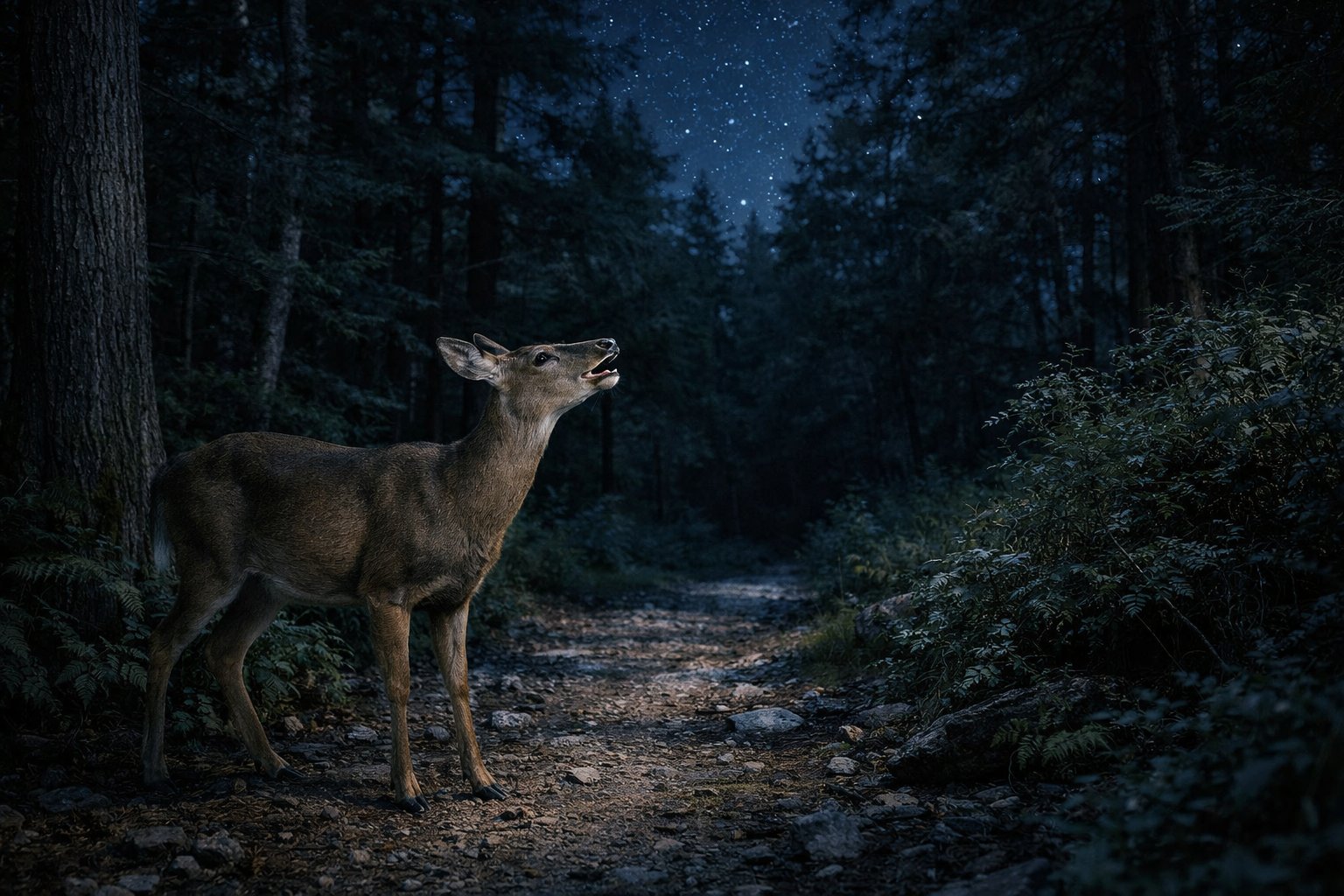
Deer bark at night for a few big reasons: warning about danger, looking for mates, or staking out food and territory. Each reason connects to threats, human changes, or the season—these all shape how often you’ll hear barking.
Predators and Natural Threats at Night
Coyotes and other night predators often set deer off. When you hear those sharp, quick barks after dark, a deer’s probably warning the group to freeze or get moving.
Barking slices through the nighttime quiet and helps deer find each other when it’s tough to see.
You’ll hear more barking where predators are common or deer feel exposed. In places like Kaeng Krachan National Park, deer really lean on vocal alarms to keep safe.
They often add stomping or sudden movement, which can help you figure out where the danger’s coming from.
Impact of Human Activity and Habitat Changes
Humans shake things up for deer, making them more likely to call out at night. When hunting pressure rises, deer shift their activity to nighttime and ramp up those vocal alarms.
If you live near patchy woods or a road, deer might bark as they cross open spots, trying to dodge people during the day.
When habitat gets chopped up, deer end up squeezed into smaller spaces. That cranks up their stress and alertness, so you’ll probably hear more alarms.
Noisy cars or sudden lights at night can also startle deer into barking as they react to the disturbance.
Role of Food Availability and Competition
Food shortages or competition can change how deer act at night. When food’s hard to find, deer forage more after dark to avoid people and other animals, and they’ll bark to defend good feeding spots.
If you’re watching a patch of bluebells or young shoots getting munched, you might hear a deer bark as it chases off a rival.
Barking also lets bucks and does claim resources without fighting. In crowded, small habitats, these vocal cues help them avoid risky clashes.
When deer do more of their eating at night, you’ll notice these calls popping up more often after sunset.
Breeding Season Vocalizations
The rut really ramps up nighttime barking, especially from bucks. During breeding season, males bark, grunt, and toss out other calls to show they’re around, challenge rivals, or search for receptive does.
You’ll probably notice louder, more frequent calls after dark since deer usually move their rut activities into those low-light hours.
Bucks mix alarm and mate-seeking signals in their barks during the rut. Sometimes a buck barks to drive off another male, then turns right around and heads for a doe.
When hunting pressure or human activity increases, deer push their rutting even further into the night. So if you’re listening after dark, you’re more likely to catch these breeding calls.


