
If a deer comes at you, try to keep your cool. Make yourself look big, put something between you and the animal, and fight back if it gets too close. When a deer charges, shout, throw your arms up, grab anything handy to use as a barrier, and go for the vulnerable spots if you need to defend yourself.

Deer don’t usually pick fights, but knowing why they might get aggressive can help you avoid trouble before it starts. Let’s look at when deer are most likely to attack, warning signs to watch for, and ways to steer clear of close calls.
If things go south, you’ll want to know quick moves to protect your head and vital organs. You’ll also learn how to scare off a buck or a doe, and what to do after the encounter to check yourself for injuries or report what happened.
Understanding When and Why Deer Attack

Most deer want nothing to do with you. Still, certain times of year and specific triggers can make them act out. It helps to know when bucks and does get defensive, what warning behaviors look like, and how attacks can play out so you can react fast.
Times Deer Are Most Aggressive
Deer get a lot more dangerous at two main times. First, during the rut in fall, bucks become territorial and unpredictable. They’ll chase rivals, run into roads, and sometimes see you as a threat. It’s all that testosterone—makes them bold and a little wild.
Second, late spring and early summer is when does guard their fawns. A doe hides her baby and will charge if you or your dog get too close. This kind of attack is sudden and noisy—think stomping, snorting, and quick lunges.
You also need to watch out if a deer is hurt, sick, or just confused. Deer with chronic wasting disease, for example, can lose their fear and act strangely. Nighttime or foggy conditions make surprise run-ins more likely. If you’re near deer habitat during these times, stay sharp.
Key Triggers for Deer Aggression
Deer get defensive if they feel threatened. If you come closer than about 50 yards, you might set them off. Sudden moves, loud sounds, or trying to touch or corner a deer will make things worse in a hurry.
Dogs are a big problem here. A barking or roaming dog looks like a predator to a deer. If you’ve got a dog, keep it leashed and close in deer territory so you don’t trigger a chase.
Another issue is deer getting used to people feeding them. They lose their fear and might walk right up. Sick or hurt deer can also lash out if you approach. Warning signs include foot-stomping, raised hackles, tail flicks, staring, or pawing at the ground.
Types of Aggressive Deer Encounters
Bucks and does attack in different ways. Bucks use their antlers to gore or swipe, especially during the rut. They might charge head-on or slash with their antlers, which is especially risky for your chest and stomach.
Does attack with their hooves and quick lunges. A charging doe can hit hard with her front legs, causing bruises or even broken bones. Usually, she’s just trying to protect a hidden fawn.
Sometimes, you’ll meet a deer that’s just curious or used to people. If you corner or startle them, though, things can turn ugly fast. Injured or sick deer might act aggressive for no clear reason—watch for clumsy movement or no fear of people. Elk and bigger animals follow similar patterns, but they’re even stronger and faster. If you see one, give it extra space.
How to Respond Safely During a Deer Attack
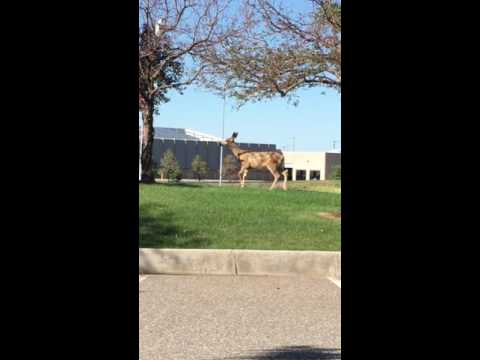
Try to stay calm if a deer comes at you. Put something solid between you and the animal. If you fall, protect your head and neck.
Use loud noises and big movements to scare the deer off. If you get hurt, see a doctor right away.
Immediate Actions If a Deer Charges
If a deer charges, back away slowly if you can. Move toward cover like a tree, car, or big rock.
Don’t run in a straight line; angle away so it’s harder for the deer to follow. Make yourself look bigger by raising your arms or waving a jacket or backpack overhead.
Shout as loud as you can to try to startle it. If you’ve got a dog, pick it up or hold it close on a leash so it doesn’t make things worse.
If the deer gets close and you can’t get away, use anything you have—stick, backpack, hat—to keep a barrier between you and its antlers or hooves. Try to push its attention away from your body.
Specific Tactics Against Bucks and Does
Bucks are most dangerous with their antlers. Stay away from the head and chest if you can. If the buck lowers its head, get behind something solid.
If you have no choice but to fight back, go for the eyes or nose to cause pain and make it stop. Does attack with their front legs. If she knocks you down, curl up tight and cover your head and neck with your arms.
Don’t try to grab the deer—getting closer to hooves or antlers just puts you at more risk. Watch for aggression signs like stomping, snorting, flat ears, or raised hair on the neck. These mean a charge could come any second.
Report bold or injured deer to wildlife authorities or a rehab center.
Protecting Yourself and Others
Get kids and pets out of the way right away. Kick or use something to block the deer’s path if you need to.
Keep pets leashed and close in deer country so they don’t cause trouble. If you’re with other people, work together: one person makes noise while the others get to safety.
Use backpacks or poles as shields if you have to. Never stand between a deer and its escape route—give it space to leave.
After it’s over, stay back until the deer leaves. If you see the deer stumbling, acting weird, or not afraid, let wildlife officials know.
What to Do If You Are Injured
Start by checking for puncture wounds, broken bones, or deep cuts. Deer antlers and hooves can easily introduce bacteria.
Clean minor wounds with soap and water, then slap on a sterile dressing. If you spot punctures, heavy bleeding, or notice any signs of infection, go see a doctor.
If someone else gets hurt, press directly on the wound to stop major bleeding. Call emergency services if things look serious.
Keep the injured person still and try to keep them warm until help shows up. Go ahead and report the attack to local wildlife management, especially if the deer seemed sick or unusually aggressive—they need to know so they can look into it and keep others safe.


