
Deer don’t stick to one set amount of time when they lie down. They usually take quick naps—sometimes just seconds, sometimes a few minutes—and if they feel safe, they might stay bedded for hours.
Most deer rest or chew their cud in short bursts all day, adding up to a few hours total instead of one long sleep.
If you want to spot deer or figure out what they’re doing, you’ll need to pay attention to safety and timing. Weather, predators, and feeding routines really change how long they’ll stay put, and knowing those patterns can help you predict when they’ll get up and move.
Deer Laying Down: How Long and Why It Happens
Let’s talk about how long deer usually lie down, what affects that, and how bucks, does, and fawns differ in their rest habits. You’ll get a feel for real timing, typical behaviors, and how deer choose their bedding spots.
Typical Resting Durations for Deer
Deer rest in short chunks during the day instead of one big sleep. Most naps last anywhere from a few seconds up to half an hour, and all those bits of rest usually add up to several hours in a day.
Researchers and hunters have noticed deer spend about 4–8 hours in a 24-hour period lying down, but that’s split into many short breaks. When they’re bedded, deer switch between light dozing and staying alert.
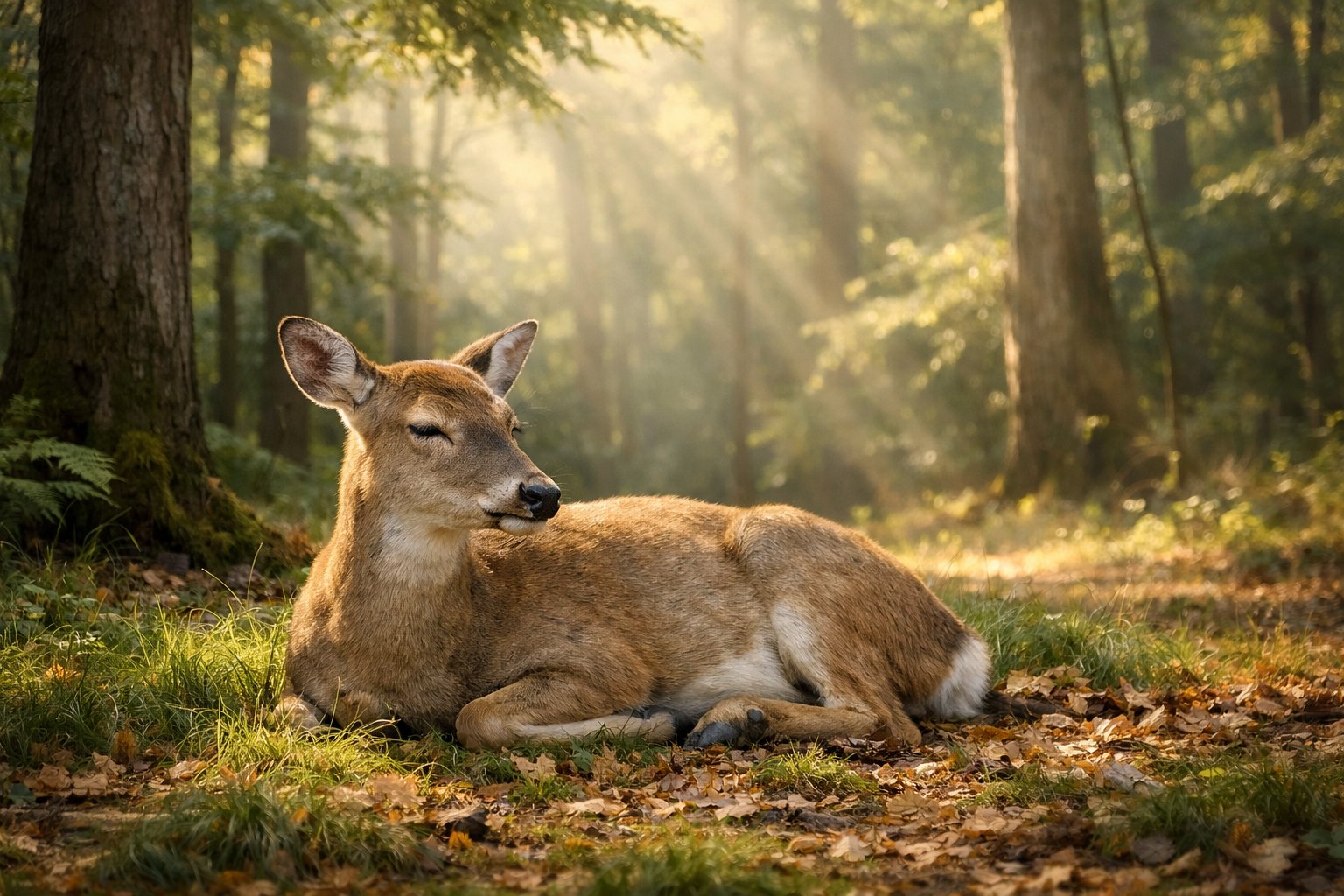
They usually lie on their chest with legs tucked, so they’re always ready to bolt if they need to. You’ll see them get up, stretch, or shift spots every so often before settling back down.
While they’re lying there, they often chew their cud, so not all of that time is deep sleep—sometimes it’s just digestion.
Factors That Influence Laying Down Time
Weather, safety, and food all play a role in how long a deer stays down. Cold weather pushes deer to bed in sunny, south-facing spots to stay warm, which can mean longer rest.
If it’s hot or stormy, they’ll look for shade or shelter, moving more often or cutting their naps short. Predator pressure and people nearby make deer pick safer bedding spots.
If they feel secure, they might stay bedded longer. After a big meal, deer usually lie down to ruminate for an hour or two.
Age and health matter, too. Sick deer tend to rest longer, while healthy adults stay more alert and move around more.
Differences Among Whitetail, Does, and Fawns
Whitetail bucks, does, and fawns don’t all rest the same way. During the rut, bucks spend less time lying down and more time on the move.
When it’s not the rut, bucks rest a lot like does, but they might use a few different bedding spots. Does usually bed near food and water, sometimes in small groups with their fawns.
Lactating does might cut their rest short to feed their young, but they still take frequent short breaks to chew cud. Fawns, especially when they’re really young, spend the most time bedded.
They hide and stay put for long stretches while the doe feeds. That long bedding time helps them save energy and avoid predators until they get quicker on their feet.
Sleep, Bedding, and Laying Behavior in Deer

Deer spend a lot of the day conserving energy, bedded down in hidden spots. They pick places that feel safe, comfortable, and give them easy access to food or an escape route.
Where Deer Lay Down and Sleep
Deer choose bedding sites with good cover and quick exits. You’ll spot them in thick brush, rows of conifers, tall grass, or tucked near cedar and sumac for extra hiding.
Does with fawns usually bed in thick cover close to food so they can check on their young. Bedding areas are often just a few hundred yards from food and water.
Bucks and does both use several beds within a small home range, rotating between them. If you look for flattened grass, droppings, or little trails leading into the brush, you might find where they’re bedding.
Deer Sleep Habits During Day and Night
Deer are crepuscular, so you’ll catch most of their movement at dawn and dusk. During the bright part of the day, they bed down to rest or chew their cud.
All those short naps add up to several hours, but each one might only last seconds or a few minutes, with some longer dozes mixed in. At night, deer sometimes leave their thick bedding for open fields to feed.
You’ll probably notice more movement around sunrise and sunset.
Deer Laying Down in Different Weather Conditions
Weather really changes where and how long deer bed down. In cold weather, you’ll see them pick south-facing slopes, windbreaks, or thick conifers to stay warm and reduce heat loss.
Deer tend to bed longer in winter to save energy. When it’s hot, they look for shady, breezy spots—usually under trees or near water.
Rain or heavy snow push them into thicker cover, and you’ll notice they move less and stay bedded until the weather clears up.
Observing Deer Rest: Trail Cameras and Hunting Insights
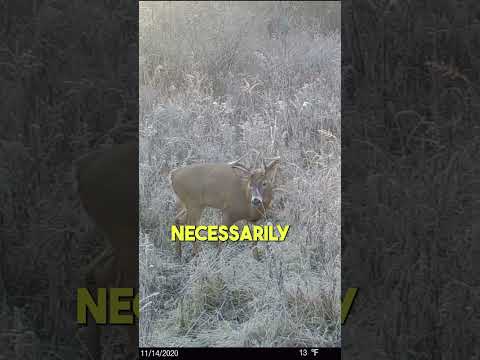
Trail cameras can show you bedding patterns and timing, and they won’t disturb the deer in the process.
Try putting cameras along the edges of bedding funnels or on common travel routes.
Set them to record around dawn and again at mid-day. That way, you’ll catch those quick rise-and-bed cycles and start to notice which beds certain deer like best.
Hunters usually rely on wind, cover, and bedding maps to keep from spooking deer that are already bedded down.
If you get close to bedding areas, move slowly and carefully—or sometimes it’s just better to steer clear entirely. Deer pick up on movement and scent faster than you’d think.
When you watch trail camera photos over several days, you can spot when deer leave their beds and see where they go to feed.


