
You’ve probably heard people toss around the words venison and deer meat like they’re interchangeable. And honestly, most of the time, venison does mean deer meat—though in some places, folks use it for other wild game like antelope or elk.
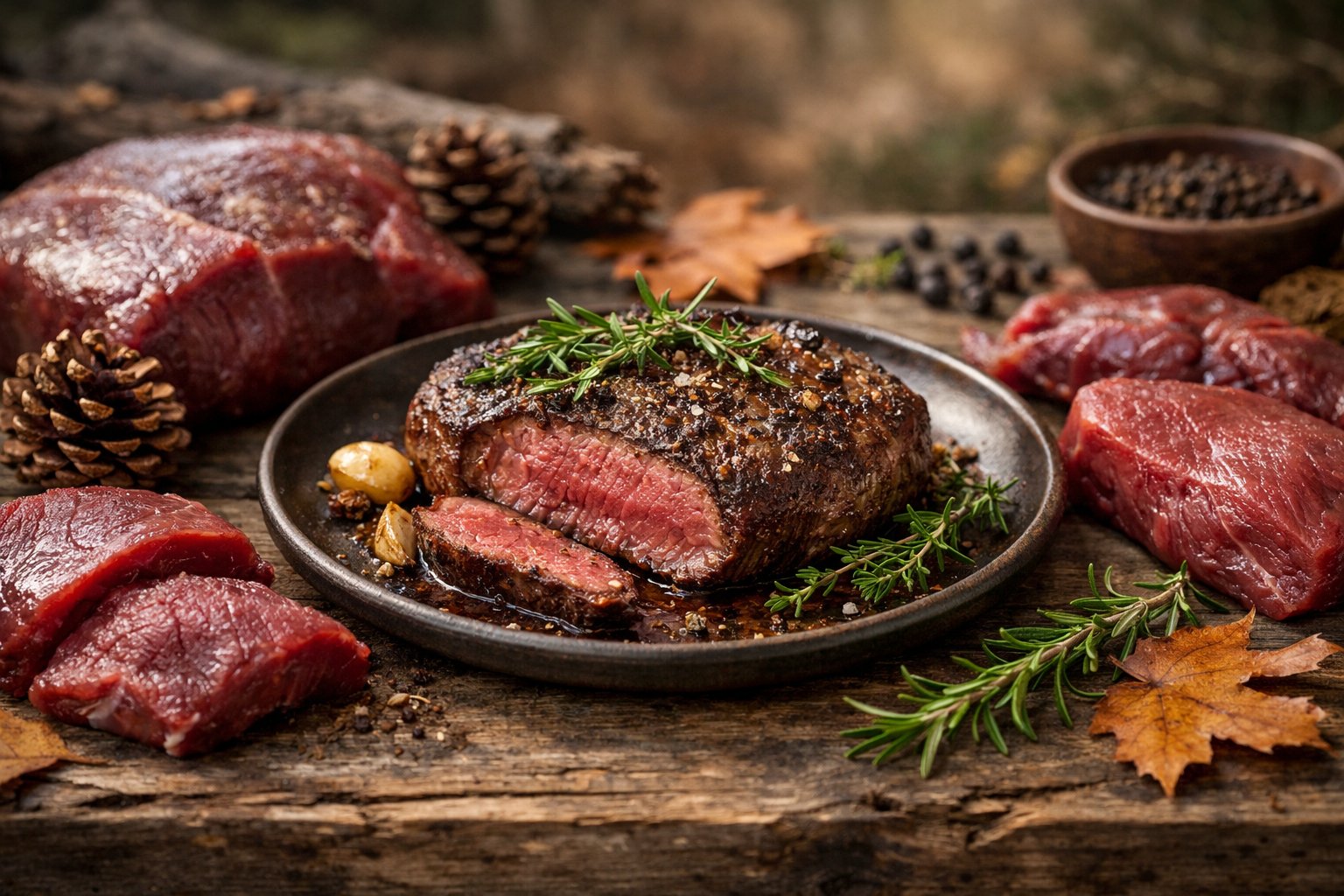
If you’re thinking about cooking or buying it, knowing what venison covers helps you pick the right cut, figure out the flavor, and skip those rookie cooking mistakes.
Stick around to see how venison changes depending on the animal, which cuts are best for grilling or roasting, and a few simple tips to keep your meat tender and tasty.
Is Venison the Same as Deer Meat?

Venison usually refers to meat from hunted wild animals, and most people mean deer when they say it. Let’s look at where the word came from, which animals count as venison, and the common deer species you’ll actually see on dinner plates.
Venison Definition and Historical Origins
The word venison comes from the Latin venari, which means to hunt. People used it for meat you get by hunting, not from farm animals.
In English, venison started showing up after the Norman Conquest as a word for game meat.
These days, most folks just use venison to mean deer meat. Sometimes, especially in older books or certain regions, it’s a catch-all for other hunted animals.
The main thing? Venison means wild game, and it’s almost always leaner than beef or pork from the store.
Types of Animals Considered Venison
Depending on where you live, venison can mean meat from different wild species. In North America and Europe, people usually mean deer (Cervidae).
In Southern Africa, though, “venison” often points to antelope, since deer don’t actually live there.
Some older sources call elk, moose, caribou (reindeer), and even wild boar or hare venison. If you’re shopping for venison, check the label or just ask what animal it came from.
That info matters—a lot—for taste, fat, and how you cook it.
Deer Species Commonly Used for Venison
Hunters in the U.S. mostly get venison from white-tailed deer and mule deer. Their meat is mild, lean, and you’ll see it as steaks, roasts, and ground venison.
Elk and moose bring bigger, richer cuts to the table; elk steaks are a thing, and moose usually ends up in hearty stews or roasts.
Caribou (or reindeer) gets eaten in the far north and has a slightly sweet flavor you don’t really find in beef. Over in Europe, fallow deer and red deer are common, especially on venison farms.
When you cook venison, keep in mind that species and cut change how tender or fatty it is. Lean cuts like backstrap or loin cook fast, while shoulder and shank need low heat and more time.
If you’re curious about how the meaning of venison changes by region, check out this article about how venison isn’t always deer meat.
Venison Cuts, Taste, and Cooking Methods

Venison comes in all sorts of cuts, each with its own texture and best way to cook it. You’ll get super lean steaks and tender loins, some fattier roasts for slow cooking, and ground meat that’s great for burgers or chili.
Primary Cuts of Venison and Their Uses
Backstrap, which sits along the deer’s spine, gives you loin steaks, medallions, and tenderloin. These are your most tender cuts, and they shine when you cook them quickly over high heat—think searing, grilling, or pan-roasting to medium-rare.
From the hindquarters, you get venison roast and bigger steaks. These muscles are pretty lean, so they do better with slow, moist cooking like braising or roasting.
Try a crockpot or oven for a venison roast to help break down those tough bits.
Shoulder and shank cuts are tougher. Toss them in a stew or slow braise—venison stew or braised shanks turn out tender and flavorful after a long cook.
Trim off the silver skin and extra fat before you start.
Ground venison works for burgers, meatloaf, and chili. Since it’s so lean, you’ll want to add some fat (bacon, pork, or even a splash of olive oil) for juicy burgers and to keep chili from drying out.
Venison Taste and Gamey Flavor Explained
Venison tastes clean and rich—somewhere between beef and wilder game. The “gamey” flavor mostly comes from the fat and what the animal ate.
If a deer munched on acorns, sage, or wild plants, you’ll notice earthier flavors.
Lean cuts like tenderloin and backstrap taste milder because they don’t have much fat. Fatty bits, organ meats, and older bucks really ramp up that gamey note.
In ground meat, the flavor can get strong if the trim includes fat and connective tissue.
You can tone down gamey flavors by trimming off fat, aging the meat in the fridge for a bit, or marinating. A simple marinade with acid (like vinegar or citrus) and some herbs or garlic helps mellow strong notes without covering up the meat’s character.
Preparation and Cooking Tips for Venison
Thaw frozen venison slowly in the fridge—give it a good 24 to 48 hours for the best texture. Pat it dry before seasoning so you get a better sear and crust.
For steaks and medallions, salt them 30 to 60 minutes before cooking, or right before you sear.
Cook tender cuts fast: high heat for backstrap, medallions, and tenderloin. Shoot for 125–135°F (52–57°C) for medium-rare, then let them rest for 5 to 10 minutes.
For roasts and shoulders, go with a low, slow braise until the meat breaks down.
When you make venison burgers or meatloaf, mix in 10 to 20% added fat and don’t overwork the meat. For chili or stew, brown the meat first, then simmer it with stock and tomatoes—long, gentle cooking really brings out the flavor and turns those lean cuts tender.
Wild vs. Farm-Raised Venison
Wild venison really reflects whatever the local deer have been munching on. Sometimes you get a stronger, earthier flavor, especially if the deer ate a lot of acorns or wild herbs.
Hunters usually find that wild meat is pretty lean. You have to field dress it carefully and keep it cold, or it just doesn’t stay fresh.
Farm-raised venison is a different story. Deer farms usually produce meat with a consistent taste and a bit more fat.
You can pick up farm-raised venison at the store, and it’s often been processed in USDA-inspected facilities. If you see venison labeled in restaurants or shops, it’s almost always farm-raised.
Handling makes a huge difference for both safety and flavor. Always check for weird smells or strange textures.
Don’t eat meat from animals that looked sick. If you need help figuring out which cut to use, it’s worth checking out a practical chart like this one that breaks down common cuts of venison and their uses.


