
If you want to know what keeps deer alive, just watch where they eat, drink, and hide. Food, water, cover, and quick reactions to danger are really the main things that help a deer survive.
You’ll see how each need supports deer through seasons, predators, and rough weather.
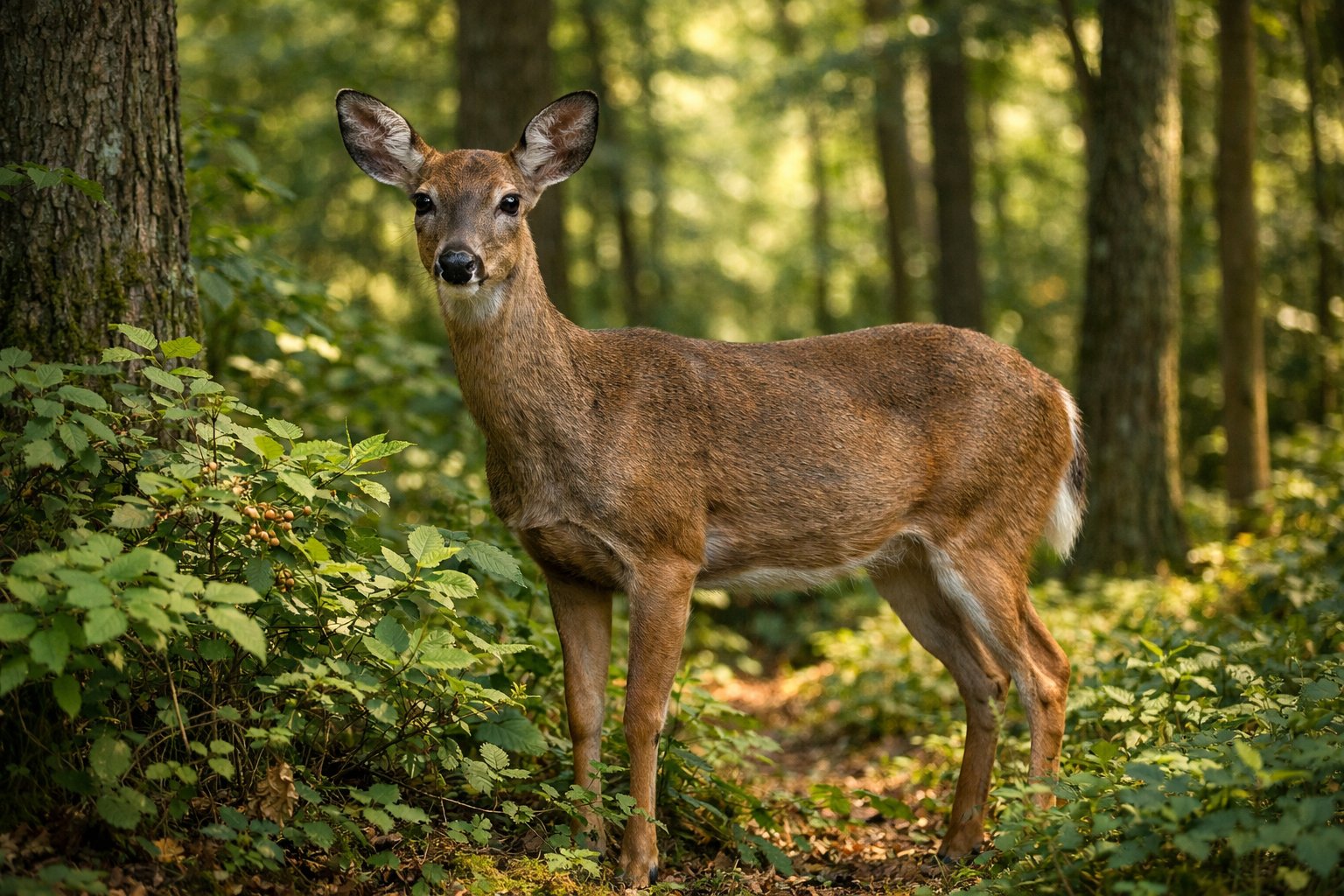
Notice how deer use thick brush, open fields, and waterholes to stay fed and safe. The rest of this article breaks down what deer eat, how they use shelter, and the habits and adaptations that keep them going.
Essential Factors That Help Deer Survive

Let’s talk about which foods keep deer healthy, where they find cover, and how they stay hydrated all year. Each of these shapes where deer live and how they move around.
Diet and Foraging Habits
Deer are herbivores, munching on a mix of plants. In spring and summer, they go after tender leaves, grasses, and fresh shoots.
Those foods pack protein and calories for growth and raising fawns. When fall hits, deer switch to nuts—acorns, mostly—and berries to build up fat for winter.
Both bucks and does grab high-energy mast when they find it. In winter, they eat woody stuff like twigs, bark, and dried leaves.
It’s not great, but it keeps them alive when snow covers everything else. Different deer species have their own favorites.
White-tailed deer often eat shrubs and backyard plants, while mule deer lean toward open scrub and sagebrush. Fawns stick to softer plants early on and depend on their mothers for milk.
If you manage diverse food patches, you give deer a better shot at surviving tough seasons.
Shelter and Habitat Preferences
Look for deer in mixed woods, thickets, and those edge spots where food and cover meet. Dense shrubs, young trees, and brush piles give fawns places to hide and adults a spot to bed down.
These areas protect them from predators and nasty weather. Deer want to keep feeding and bedding areas close together.
In winter, they pick south-facing slopes, cedar swamps, or conifer stands that block wind and have less snow. Your local deer might pick slightly different spots, but they all need space to move and layers of plants for cover.
When people clear forests or break up habitat, deer lose those connections between food and shelter. You can help by leaving brush corridors and patches of young trees for both cover and browse.
Water Sources and Hydration Strategies
Deer usually go for small, reliable water spots instead of big lakes. You’ll find them drinking from streams, ponds, wetlands, and even puddles after rain.
In dry months, they’ll use seeps, springheads, or any low area that collects water. Deer get a lot of moisture from juicy plants, green leaves, and berries, so they don’t always need to drink.
In winter, they eat snow if they have to, but that burns energy. Deer time their feeding near water so they don’t have to risk being out in the open too long.
If you keep wetlands and streamside cover healthy, deer can stay hydrated without traveling far. For North American deer, access to water often decides where they spend the season or migrate.
Adaptations and Behaviors for Survival

Let’s look at how deer use their bodies, senses, and habits to make it through. They count on thick fur, quick speed, sharp hearing and smell, group living, and moving with the seasons to handle cold, hunger, and predators.
Physiological Adaptations and Insulation
Deer grow a thick winter coat with hollow guard hairs that trap air. This layer insulates them against the cold and helps them save the fat they built up in fall.
You’ll notice the change—fur gets thicker and darker as the weather cools. Their hooves spread a bit so they can walk on snow or soft ground.
That way, they don’t sink as much and spend less energy moving. Internally, deer slow their metabolism and cut back on activity in deep winter.
This saves calories when food’s hard to find. Fat from autumn keeps fawns and adults alive through the lean months.
Predator Avoidance and Safety
Deer use their brown coats and stillness to blend in. Their coloring matches trees and brush, making it tough for predators like wolves and coyotes to spot them.
You might see deer freeze or crouch low in the brush when danger’s close. They rely on sharp senses, too.
Wide-set eyes give them good side vision, and their noses pick up scents fast. Their hearing is so good they catch sounds you’d probably miss.
When they need to bolt, deer sprint in short bursts and zigzag to dodge predators. They leap over obstacles and change direction quickly to throw off wolves or coyotes.
Being in a group helps—a bunch of eyes and ears means they can spot danger sooner.
Behavioral Adaptations and Seasonal Changes
You’ll notice deer change up their food and habits with the seasons. In spring and summer, they eat grasses and forbs.
Come winter, they switch to twigs, buds, and bark. Sometimes they paw through snow to reach what’s underneath.
During cold snaps, many deer cut down on movement and gather in dense cover. This “yarding” helps them stay warm and close to food.
Some herds move to lower ground or sheltered valleys where winter isn’t as harsh. Mating season shakes things up, too.
Bucks grow antlers in spring and drop them after winter. During the rut, you’ll see bucks chasing, sparring, and making bold moves to find does.
It’s risky, since predators notice all the commotion, but it’s part of their cycle. Timing and energy matter a lot during this time.
Social Structure and Mating Behaviors
Deer social life really revolves around small groups—let’s just call them herds. Females usually stick with their fawns in family groups. That way, they have a better shot at staying safe.
Fawns mostly rely on staying still and keeping their scent hidden. Meanwhile, their mothers wander nearby to forage, always keeping an eye out.
Male deer set up dominance hierarchies by sparring with their antlers. When the rut rolls around, dominant bucks chase more mating opportunities. They use their antlers to compete and to show off their fitness to other deer.
Population size changes how deer act socially and when it comes to mating. In crowded areas, you’ll notice fiercer competition and tighter herd bonds.
Predators like wolves, coyotes, and bears push deer to move, mate, and raise fawns in ways that boost their chances of survival.


