
Let’s be honest: antlers really steal the show when it comes to what makes deer so fascinating. Antlers grow and fall every year, showing age, health, and status, and they drive much of a deer’s behavior and life cycle. That single trait connects to mating fights, dramatic displays, and even how different species of Cervidae evolved.
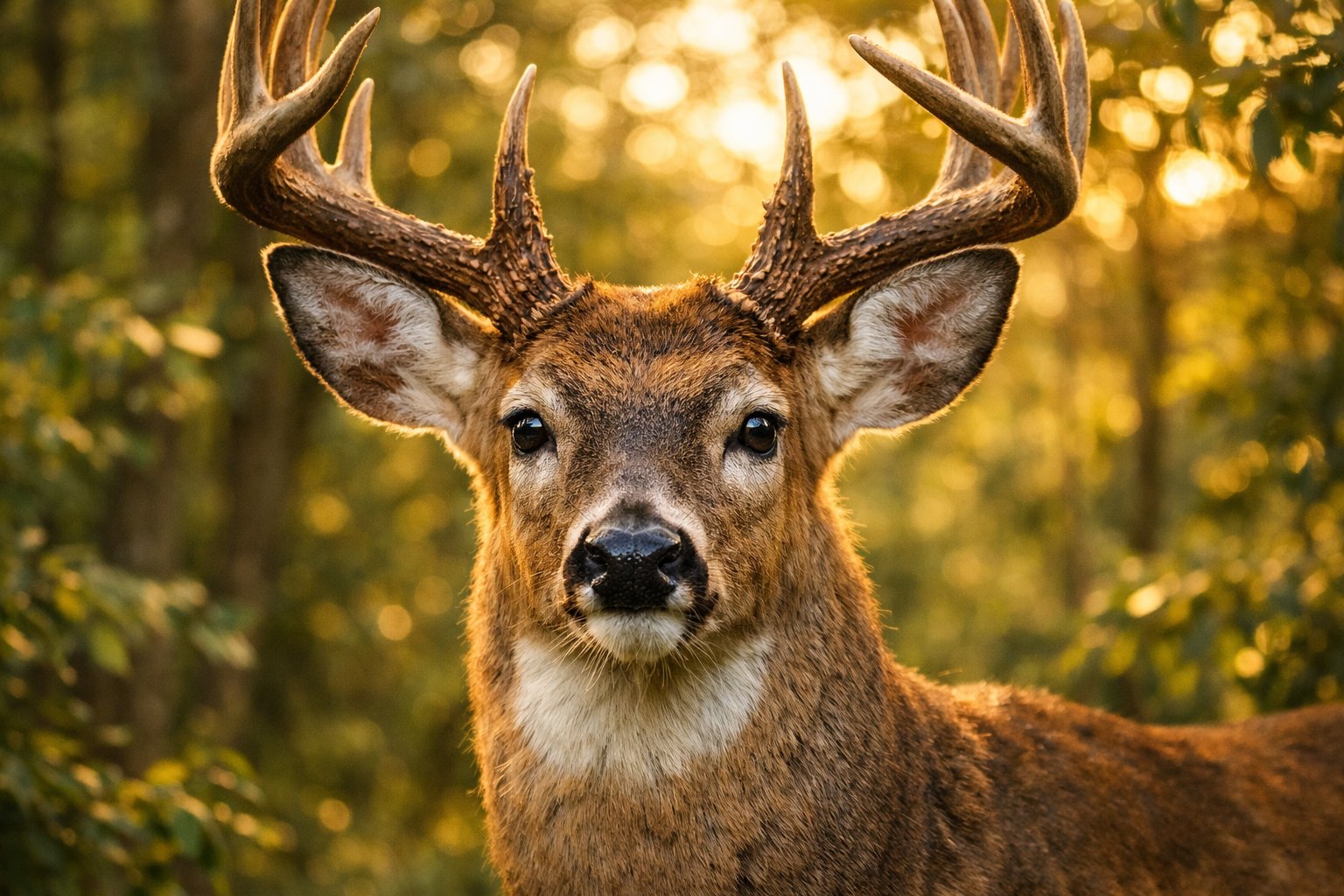
So, what’s really going on with antlers? Let’s break down how they work and why they matter. There’s more to deer, of course—movement, senses, and social quirks—but antlers tie a lot of it together.
The Remarkable World of Deer Antlers

Antlers shoot up quickly, change every year, and play a big part in mating and defense. They start from skull pedicles, grow under a fuzzy velvet, harden with minerals, and then fall off after the rut.
Species, age, nutrition, and hormones all shape antler size and form.
Antler Growth Cycle
Antler growth kicks off at the pedicles—those bony bumps on a buck’s skull. In spring, longer days and hormone shifts spark rapid growth. Some species, like elk, can add 2–2.5 cm a day at their fastest.
Growth usually wraps up by summer or early fall. Mineralization then turns the soft tissue into hard bone.
Antler size and style really depend on the species. Moose and the extinct Irish elk grew massive beams. White-tailed and roe deer have branched tines. Even reindeer (caribou) and some female deer grow antlers.
Young bucks grow simpler sets, while older bucks build thicker, more complex racks. Nutrition and minerals like calcium and manganese make a difference in strength and breakage.
Velvet: The Living Covering
Velvet covers growing antlers with soft, furry skin. It brings blood, oxygen, and nutrients through a dense network of vessels.
This tissue fuels the crazy-fast cell division and bone growth, so you’ll notice a warm, sensitive velvet phase as antlers stretch out.
As testosterone rises before the rut, velvet dries and starts to peel. Bucks rub their antlers on trees and shrubs to get rid of it.
Some cultures collect velvet, but it’s important to do it humanely. If velvet gets damaged while antlers are still growing, it can mess up the shape or strength.
Purpose of Antlers in Deer Behavior
Antlers mostly come into play during the rut for mating and social displays. Bucks use antlers to spar and figure out who’s boss; bigger, more even racks usually mean a healthier buck and better odds with the does.
Antlers can help defend territory and, sometimes, fend off predators.
Different deer use antlers in their own way. Elk and red deer often lock antlers in long, exhausting battles. White-tailed deer prefer quick clashes and flashy shows.
Reindeer (caribou) use antlers in both sexes for digging food and sorting out dominance during tough winters. As an observer, you can often tell a deer’s age and condition by the size, tine count, and mass of its antlers.
Extraordinary Physical and Behavioral Adaptations

Deer pack in some wild adaptations for feeding, protection, and sensing the world. These traits let them thrive in forests, grasslands, and wetlands.
Their digestion, changing coats, and sharp senses all work together to keep them fed and safe.
Deer’s Four-Chambered Stomach and Feeding Habits
Deer have a four-chambered stomach: rumen, reticulum, omasum, and abomasum. This setup lets them break down tough plant fibers from grazing or browsing.
You might spot a deer chewing briefly, wandering off, then chewing its cud later to finish the job.
Different species go for different foods. White-tailed and mule deer switch between grazing and browsing, depending on the season and what’s around.
Small deer like the pudu nibble leaves and shoots from low shrubs. Their four stomach chambers help them squeeze out nutrients from even low-quality plants.
Feeding habits shape behavior, too. Deer often eat at dawn and dusk to dodge predators.
Local deer sometimes travel far for winter browse, using strong legs and hooves to move on snow or rough ground. Hunters and wildlife managers keep an eye on these habits to track populations and protect endangered deer.
Camouflage and Protective Coats
Deer coats change with the seasons to help them blend in. In summer, coats turn reddish-brown to match the woods.
Winter brings thicker, gray-brown fur with hollow hairs that trap air for warmth.
Fawns wear spotted coats that break up their shape on the forest floor. That camouflage keeps them hidden while their mothers feed.
Some deer, like the key deer or small island species, have coats that match local plants or sand.
Coat changes also help with heat and water. Deer shed heavy winter fur in spring to stay cool.
Hooves, strong legs, and body shape work with the coat. Together, they help deer move quietly, run fast, and survive in all kinds of places—from North America to Asia.
Acute Senses and Communication
Deer lean on their sense of smell, sharp hearing, and keen eyesight way more than any fancy vocal tricks. Their big ears swivel around, always searching for the tiniest sounds.
They pick up scents to spot predators, find mates, or figure out who’s marking territory nearby. Sometimes, you’ll catch a deer flicking its tail or stomping a hoof—basically sending out a warning to the rest.
Their eyes are built for catching movement and scanning wide open spaces. That comes in handy while they’re grazing, always half-watching for danger.
Deer use scent glands on their legs and faces to leave messages about territory or breeding. Sure, they make some sounds—grunts, bleats, maybe a sharp snort if there’s trouble—but it’s mostly to keep fawns close or alert the group.
You can see these senses in action: a deer browsing quietly, then suddenly bolting on those long legs, or a whole group taking off together. Wildlife managers pay close attention to these behaviors. It helps them track deer populations and look out for species that might be at risk.


