
You’ll usually spot deer where they feel safe, warm, and have something to eat. They stick to dense cover—think thickets and woodlands—during the day, and head out to feeding grounds around dawn and dusk. If you know this, you’ve already got a leg up on finding them and figuring out their seasonal moves.
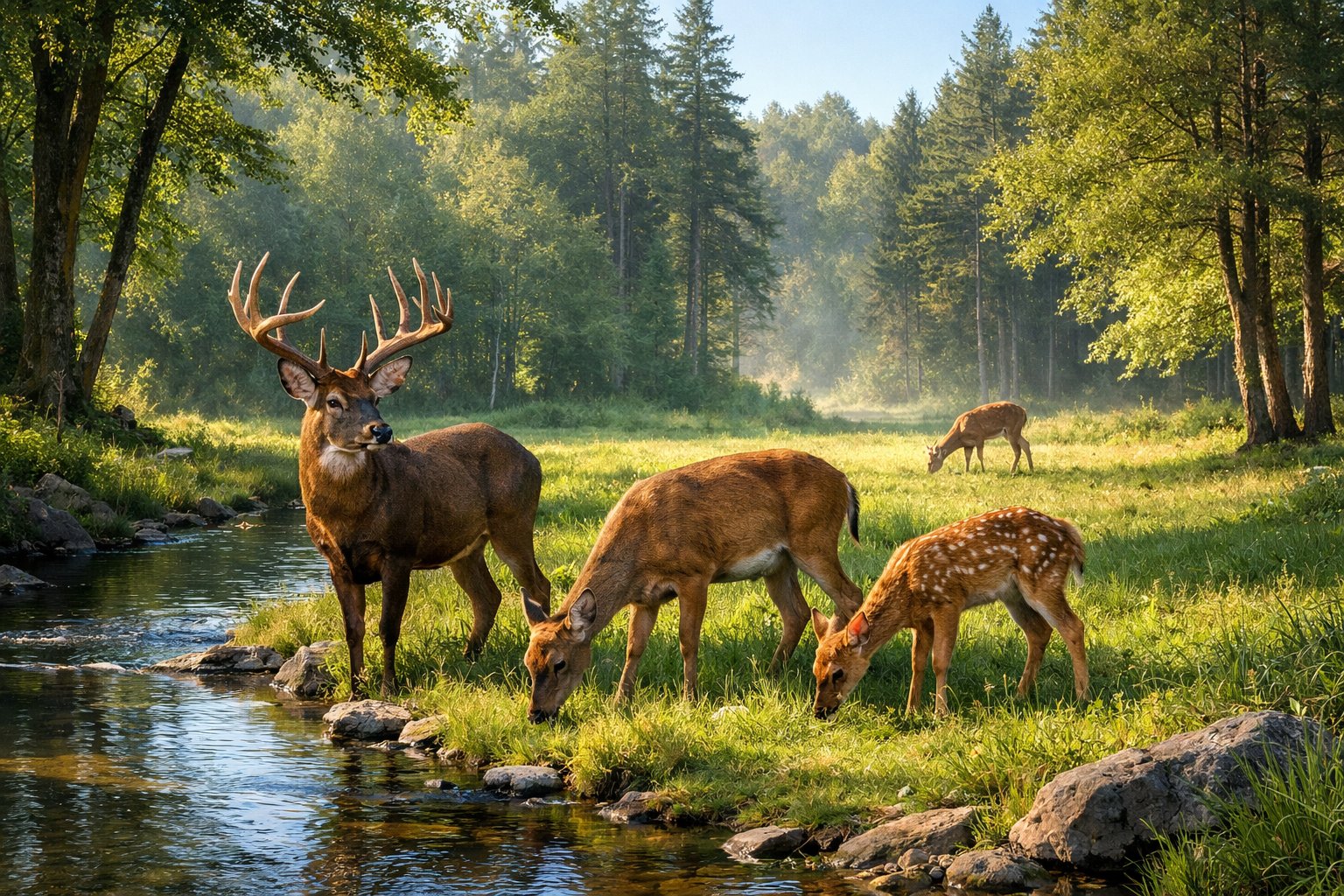
Keep an eye on spots with water, thermal cover, and food nearby. Over the year, deer bounce between summer bedding places, travel corridors, and winter yards.
If you get a handle on those patterns, you’ll have a pretty good shot at predicting their next move.
Where Do Deer Like to Go Throughout the Year?

Deer go wherever they find food, cover, and safety. You’ll notice patterns tied to their daily needs, the seasons, and even the weather.
Typical Daily Deer Locations
You’ll mostly find deer near feeding areas, bedding cover, and their travel routes. In the morning and evening, they like to browse edge habitats where woods meet fields.
They want easy access to tender shoots and grasses. By midday, deer bed down in thick cover—dense conifers, brushy saddles, or even hollowed drift piles.
They rest there to save energy and stay hidden from predators. If you’re out looking, check for tracks, droppings, and rubbed saplings along trails.
White-tailed deer keep using the same bedding spots and trails. So, a small patch of woods can see a lot of repeat activity.
If you hunt or just like watching deer, scout for those well-worn travel lanes between bedding and feeding spots.
Preferred Habitats in Different Seasons
Spring and summer bring deer into young forests, open fields, and the edges near water where fresh leaves and forbs grow. Fawns hide in tall grass and low shrubs while does keep close.
During the fall rut, bucks get restless. They start using natural funnels—like saddles and creek crossings—to search for does.
When winter hits, deer head into “deer yards.” These are dense conifer stands or mixed evergreens that block the wind and keep snow from piling up too deep.
These yards help white-tailed deer save fat and move less. In milder southern spots, deer might just hang out in bigger woodlots or even suburban green spaces all year.
How Weather Influences Deer Movement
Weather changes everything for deer. When snow gets deep, they stick to south-facing slopes or packed roads where they can reach food more easily.
Cold, windy nights send them into thick thermal cover. But if the sun’s out and it’s warmer, they’ll come back out to browse.
Rain or freezing rain can cut down their feeding time. On those days, deer take shorter trips and eat whatever’s close.
If you pay attention to the weather, you’ll notice patterns—after a warm front, deer often roam farther to feed. Before a storm, they bed down early and barely move.
Winter Destinations and Survival Strategies

When winter hits hard, deer gather where shelter, food, and low energy use come together. You’ll see how they bed down, stay warm, find food, and how people and hunters shape their choices.
Seeking Shelter: Deer Yards and Thermal Cover
Deer often gather in deer yards—dense stands of coniferous trees like pine, spruce, and hemlock that block wind and hold less snow. These spots create a warmer microclimate and let deer move without burning too much energy, even when snow piles up.
You’ll usually find these yards on south- or east-facing slopes or tucked into low hollows where the air stays a bit warmer. Inside a yard, deer bed close to tree trunks and thick brush to keep their body heat.
Evergreen trees keep some food available and help deer stay out of sight. Deer use these yards every winter, so keeping them healthy matters for the local herd.
Deer Adaptations in Cold Weather
Deer grow a thick winter coat with hollow guard hairs that trap air and keep them warm. You might notice their bodies look rounder and bulkier.
They move slowly to save energy and pick sunny spots to warm up. Fat reserves from autumn help them get through when food’s scarce.
Deer also change their habits. They travel less, stick to packed trails, and bunch up in sheltered spots.
All these tricks help them burn fewer calories and survive tough stretches of cold and snow.
Food Sources and Diet Changes
In winter, deer can’t find much green browse, so they switch to twigs, buds, and evergreen leaves. You’ll see them nibbling young conifer shoots, maple or birch buds, or leftover crops if they’re lucky.
Deep snow keeps them close to yards where food is easier to reach. Their digestion slows down, so they pick higher-fiber foods and don’t eat as often.
Sometimes you’ll spot deer stripping bark or reaching up for whatever browse they can find under low branches. Supplemental feeding can help in harsh winters, but always check with wildlife agencies first for rules and disease concerns.
Impact of Hunting and Human Activity
Hunting pressure really shifts where deer decide to spend the winter. If you or your neighbors hunt near their yards, deer usually slip away to quieter, thicker cover, even if there’s not as much food.
Roads, housing, and clearcuts break up their wintering grounds. That means deer have to travel farther, burning up precious fat reserves.
The choices you make on your land actually matter. If you leave strips of conifers, skip late-season disturbances, and cut back on snowmobile use around deer yards, you help them save energy.
Wildlife agencies suggest planning harvests and development in a way that keeps wintering areas connected. That way, deer have a better shot at making it through.


