
You’ve probably noticed deer tracks, nibbled plants, or a quick glimpse of brown fur near your place and wondered what’s pulling them in. Deer show up for food, shelter, water, and strong smells — especially tasty plants, fallen fruit, and salt-rich spots. If you know what attracts them, you can protect your garden, plan your landscaping, or even set up a good spot for wildlife watching.
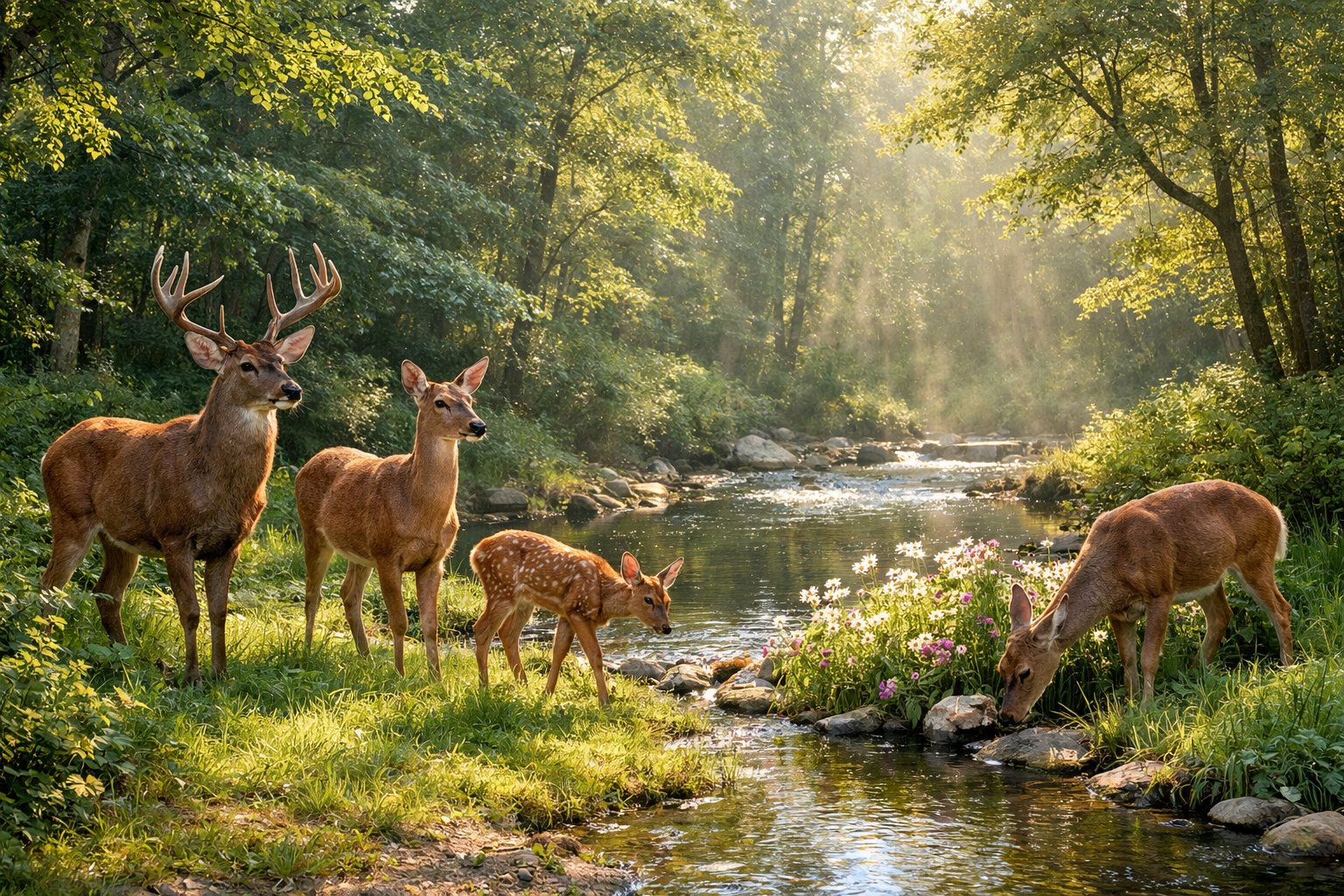
Deer rely on both scent and sight to find what they need. Some plants and smells really pull them in, while others push them away. You’ll find practical tips below for making your yard less tempting — or more inviting if you’re hoping to spot deer safely.
What Are Deer Attracted To?

Deer go after easy, high-calorie food, safe hiding spots, and water. They follow food sources like acorns, fruit, corn, and green plants, and their noses pick up on scent cues and seasonal changes.
Top Foods That Draw Deer In
Deer love high-energy foods you’ll find in woods and fields. Acorns from oak trees are a big deal in the fall. They pack calories and keep deer coming back for weeks.
Fruit trees — apples, pears, persimmons — attract deer, especially when fruit drops to the ground.
In fields and on farms, deer munch on sweet corn, soybeans, alfalfa, and peanuts if they can reach them. Clover and forage plants like kale, turnips, and other brassicas are favorites in spring and fall.
Hostas and ornamental shrubs often get chewed in yards.
Gardens with vegetables and berries — strawberries, blackberries, raspberries — will tempt deer to sample the plants.
If you want to attract deer to a specific spot, planting a food plot with clover, alfalfa, and brassicas can work well.
Scents That Naturally Lure Deer
Deer use their sense of smell to find both food and other deer. Smells like doe urine and buck scrapes get their attention; hunters use these to spark curiosity.
Salt licks and mineral spots are big draws since deer need sodium, especially in spring when fawns and bucks growing antlers crave minerals.
Sweet-smelling fruits and fermenting apples or berries can pull deer in from pretty far away. Even human food scents, like peanut butter or spilled corn, sometimes bring them closer if they’re left out.
Fresh soil from a scrape or rutting activity signals deer activity and can make them return to the same spot.
Seasonal Variations in Deer Attraction
Spring: Deer focus on fresh green growth — clover, new leaves, and tender brassicas. Does really need protein for their fawns, so clover and alfalfa matter a lot.
Summer: Deer browse broadleaf plants and berries. Water becomes more important; ponds, streams, and even bird baths can bring deer together.
Protect crops like sweet corn and soybeans since deer feed heavily during this season.
Fall: Acorns and fruits take over deer diets. Oak trees with lots of acorns can keep deer around for weeks.
Food plots with corn or brassicas get especially attractive. Bucks also start following scent cues during the rut, so scrapes and doe scents draw extra attention.
Winter: Deer switch to woody browse — twigs, buds, and evergreen cover. They look for sheltered bedding near food and mineral spots.
Supplemental feeding can bring deer in, but always check your local rules before putting out feed.
Scent Signals, Lures, and What Repels Deer

Deer react quickly to smells tied to food, breeding, or danger. You can use scents to attract deer for watching or hunting, but you’ll also need to manage your own scent and use repellents if you want them gone.
Powerful Natural and Artificial Attractants
Food-based scents like apples, corn, and fermenting fruit really bring deer in close. Apples and fermenting fruit put out a strong, sugary smell that’s especially tempting in fall and winter.
Commercial deer attractants and doe urine copy natural cues. Doe urine can pull in bucks during rut, and buck urine can spark curiosity or even competition.
Mineral licks and soil salts attract deer searching for nutrients.
Try simple lures: crush apples or set out a bowl of fermenting fruit downwind. Mock scrapes with doe urine or synthetic estrus scents work well during the rut.
Don’t overdo it — heavy use can attract other animals or raise disease risk. Always follow local rules about attractants, and place them so the wind carries scent to where deer already feed.
The Importance of Scent Control
Your own scent gives you away fast. Wear scent-reducing clothes, wash hunting gear separately, and use rubber boots to cut down on ground scent.
Spray yourself and your gear with scent eliminator before heading out. Store attractants away from your clothes and keep hands and gear as clean as you can.
Wind direction is a big deal: set lures upwind so deer move toward the scent, not away. Rotate where you put attractants; deer get cautious if you use the same spot too much.
If you’re hunting, use scent-blocking stands and avoid touching brush near trails. Even tiny scent sources — dropped food, scented soap, or a forgotten glove — can tip deer off to danger.
Repelling Deer: Smells and Methods
Try using predator urine, like coyote or fox, at the edges of your garden. That scent tells deer there might be danger lurking nearby.
Some folks swear by strong human smells. Irish Spring soap, human hair, or even worn clothing can keep deer away from houses.
You’ll find that commercial deer repellents usually have capsaicin, garlic, or bitter agents. Just remember to reapply them after it rains, or they won’t do much good.
Planting barriers can help too. Lavender, basil, oregano, cedar, and pine along the borders often make deer think twice about munching.
Motion-activated sprinklers can startle deer. Physical fencing works if you want a chemical-free solution.
If you have grass clippings or extra hair, sprinkle them around young plants for a bit of short-term protection.
Switch up your repellents every so often. Deer get used to the same thing, so variety keeps them guessing.
You might want to check out this guide to deer scents and lures (fermented fruit and seasonal cues). There’s also some interesting info on how natural food scents—like acorn, corn, and minerals—affect deer behavior.


