
Honestly, most people think hitting a deer sounds unlikely—until it happens to them. It actually happens a lot more often than you’d guess, especially in some states and during autumn.
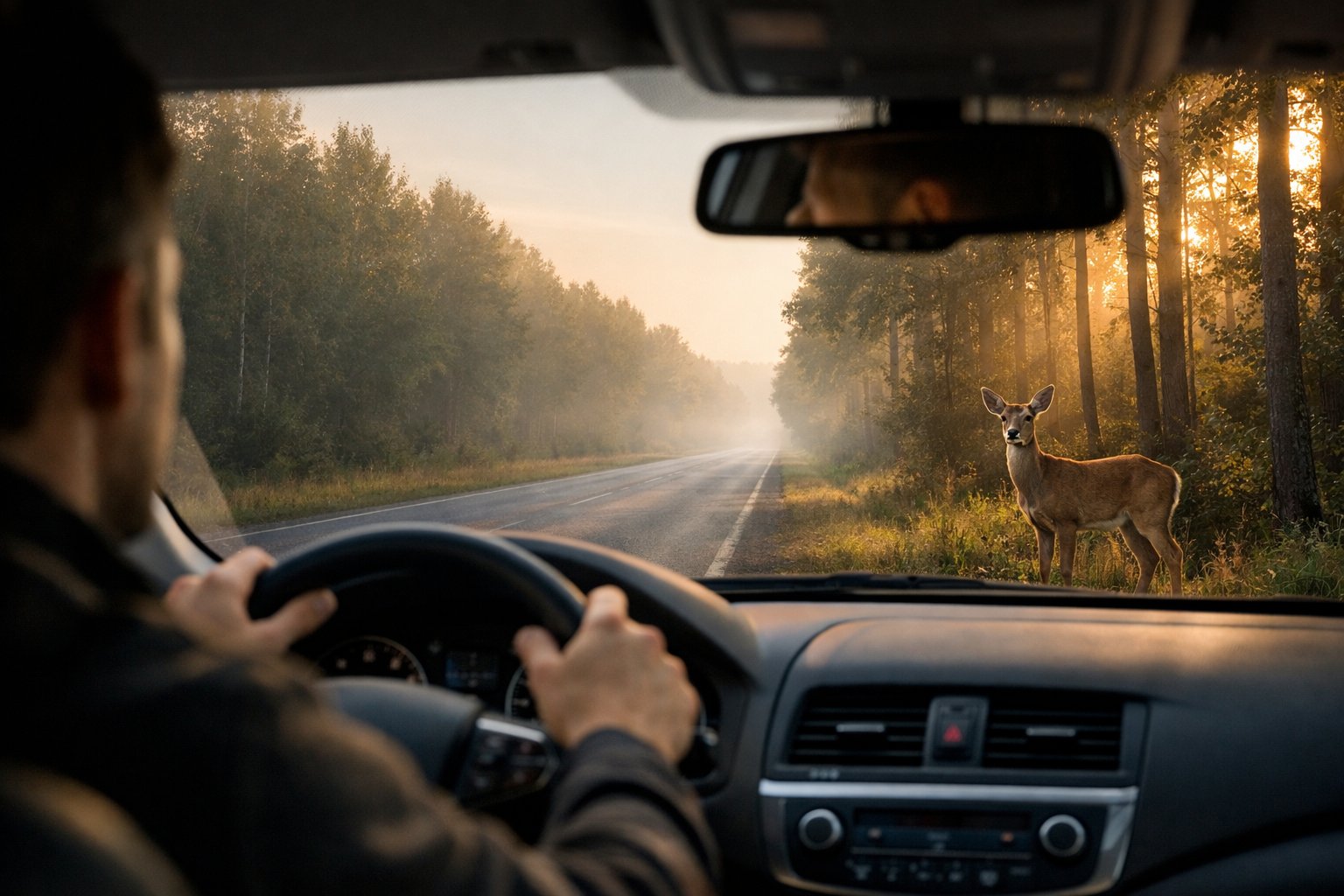
We’ll dig into just how common these crashes are, what cranks up your risk, and what you should do if you find yourself in this situation. I’ll run through a few easy ways to spot deer sooner and lower your odds of a collision that could get expensive—or even dangerous.
How Rare Is It to Hit a Deer?

Some places and seasons make you way more likely to hit a deer. Plenty of drivers never hit one, but tens of thousands of crashes happen every year, costing drivers and insurance companies billions.
Deer Collision Statistics and Odds
You’ve got about a 1-in-127 chance of hitting an animal if you look at national averages, though that number lumps together all animal types. Insurance companies keep a close eye on deer collisions because deer cause a big chunk of claims.
State Farm found that deer make up nearly a third of animal-related auto claims in many years. Industry projections say deer-related losses hit the billions every year.
If you drive in a place with lots of deer, your odds go up. City drivers see fewer of these crashes compared to people driving rural roads at dusk.
Your risk jumps around depending on the season, time of day, and how many deer live nearby.
High-Risk and Low-Risk States
Some states just have worse odds. West Virginia almost always lands at the top, with a 1-in-35 chance for animal-involved claims according to recent State Farm data.
Montana, South Dakota, Michigan, and Wisconsin also show up high on the list.
You’ll find lower risk in places like Nevada, Hawaii, and parts of the Southwest. Deer just aren’t as common there, so drivers rarely run into them.
If you live or drive often in high-risk states, you’ll want to pay extra attention at dawn, dusk, and especially in the fall.
When and Where Collisions Happen
Most crashes happen between October and December, when deer start moving around more for breeding season. Risk spikes at dawn and dusk—deer get active, and it’s hard to see.
Rural two-lane roads and wooded highways see the most incidents. Urban streets? Not so much.
Look out for deer-crossing signs and slow down near fields or streams. If you see one deer, slow down fast—there’s a good chance more are right behind, since they usually travel together.
Animals Most Frequently Hit by Vehicles
Deer top the charts for animal-vehicle collisions across the country. They’re big, common, and hard to avoid.
Other animals, like raccoons, dogs, turkeys, and coyotes, also show up in the stats.
In some places, drivers hit elk, caribou, or moose. Those crashes can get a lot more serious because of the animal’s size. If you’re driving where big wildlife roam, you’ll want to be extra careful.
What Increases or Decreases Your Risk?
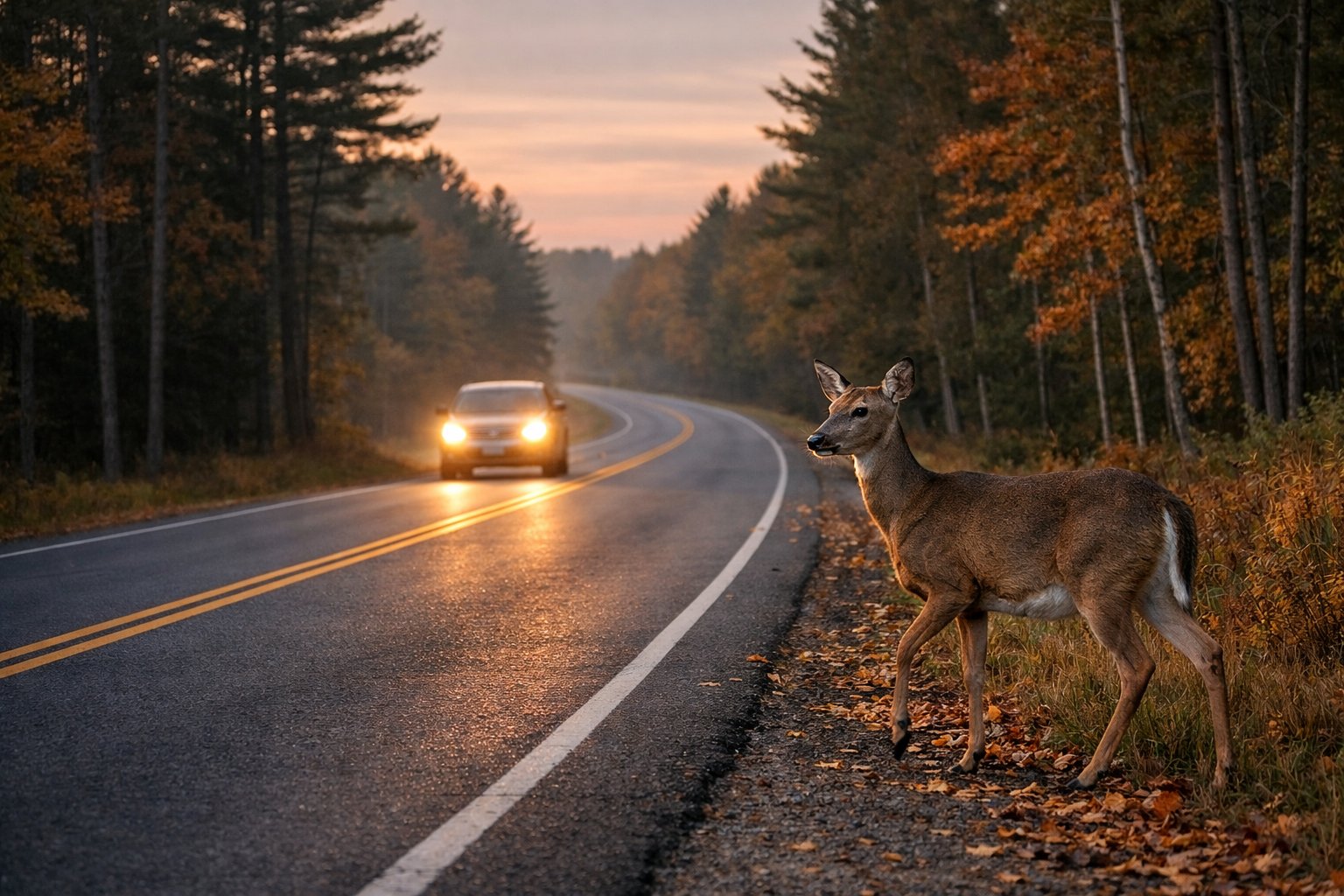
Your odds of hitting a deer depend on the time of year, time of day, and where you drive. How you drive matters, too.
Weather, local deer numbers, and even whether you use your high beams or get distracted can shift your risk up or down.
Factors That Make Collisions More Likely
Deer move around the most from October to December for mating, and also during spring fawning. Most crashes happen around dusk and dawn, especially in the couple hours before sunrise and after sunset.
Rural highways and roads that cut through woods or fields carry the most risk because deer use those paths to move and eat.
Driving faster cuts your reaction time and makes crashes worse. Distraction, alcohol, and bad visibility (think fog or heavy rain) also raise the odds.
States with big deer populations, like West Virginia or Michigan, see more deer claims per driver.
Prevention Tips and Deer Safety
Use your high beams when you can do so safely—they help you see farther at night. Scan the road edges for movement or glowing eyes.
If you spot one deer, slow down right away. More are probably close behind.
Brake hard and keep your car straight. Swerving can make things worse by sending you into another car or off the road.
Slow down in deer-heavy areas and during peak months. Buckle up and leave extra space between you and the car ahead.
If you can’t avoid a collision, braking straight is usually safer than swerving. Keep a flashlight, gloves, and a phone handy so you can check your car and call for help if you need to.
Deer Whistles, Signs, and Myths
Deer crossing signs pop up in spots with a history of crashes. They don’t guarantee deer will cross right there, but they’re a heads-up to stay alert.
People sometimes put deer whistles on their cars, but studies haven’t really shown they work. Don’t count on them—just drive carefully.
Forget the myths. Don’t swerve hard to dodge a deer. Don’t expect your headlights to scare them off—sometimes they freeze.
If you hit a deer or find one injured, pull over somewhere safe, turn on your hazard lights, and follow local rules for reporting wildlife collisions.
Financial and Insurance Concerns
Take a look at your policy and see if you’ve got collision or comprehensive coverage. Usually, comprehensive insurance handles the damage when you hit a deer, since it covers animal-related incidents.
Collision insurance, on the other hand, handles crashes with objects or rollovers. Liability coverage? That won’t help with repairs to your own car after hitting a deer.
If you hit a deer, grab your phone and snap some photos of the scene. You might need to call the police for a report, depending on where you are.
Before fixing anything, reach out to your insurance company. You’ll probably have to pay a deductible if you file a comprehensive claim, so think about whether the repair cost makes it worth it.
If someone gets hurt in the accident, your medical payments or personal injury protection might kick in, but that depends on your policy.


