
You’ll spot deer freeze, bolt, or just stare when something feels off. Absolutely — deer get scared, and their sharp senses and instinct to run make fear a huge part of how they survive.
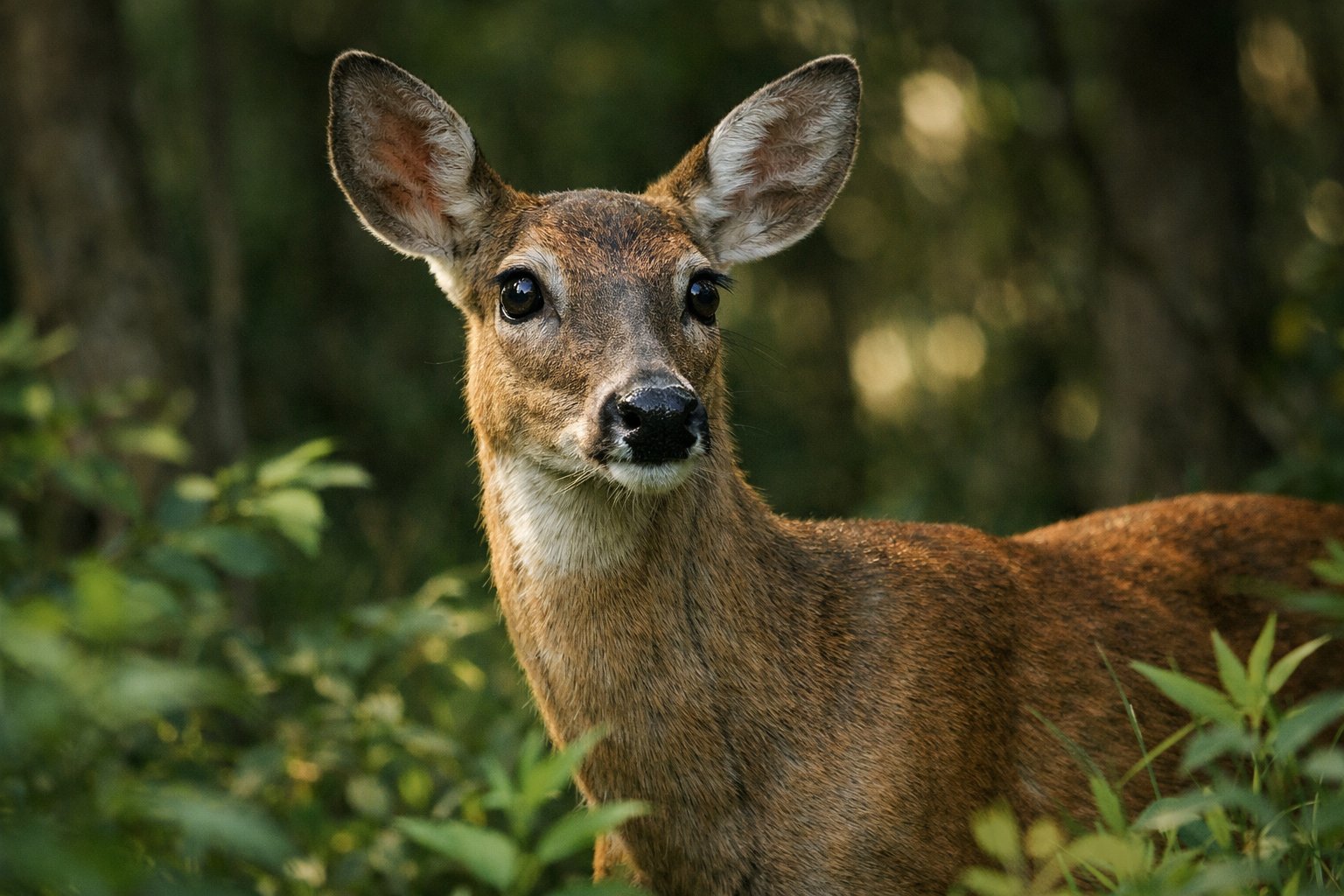
Sudden sounds, new objects, or even just a hint of human presence can set off their alarm bells. A deer’s hearing, smell, and vision all play big roles in how they decide what to do next.
Let’s dig into what actually scares them and how you’ll notice those reactions. If you want to stay unnoticed around deer, you’ll need to watch for certain signals.
What Causes Fear in Deer?

Deer respond fast to anything that feels like a threat. Their fear comes from predators, people, and sudden changes in noise or scent.
Natural Predators and Prey Instincts
Deer evolved to avoid animals that hunt them. Wolves and coyotes especially shape how deer act. When deer catch a whiff or glimpse of a predator, they freeze, stamp, snort, or just take off.
Whitetail deer, for example, rely on their wide field of vision and quick turns to get away fast.
Because they’re prey, deer almost always choose to run, not fight. Fawns pick up escape routes by following their mothers. A single snort from one deer can set the whole group running.
You’ll notice these nervous reactions more in places with lots of wolves or coyotes. Repeated run-ins with predators make deer jumpy.
Human Presence and Hunting Pressure
Your presence can really change how deer behave. In areas with hunting, deer pretty much see humans as the top threat.
Gunshots teach deer to avoid open trails and people. In places where people hunt a lot, whitetail deer often become nocturnal or hide in thick brush during the day.
Feeding deer or leaving food around makes them less cautious, which isn’t great for their health. If you leave your scent behind, deer pick it up and steer clear.
In spots where humans aren’t much of a threat, deer might graze right by roads or backyards. Still, if you move suddenly or shout, they’ll usually bolt.
Sensitivity to Sounds and Scents
Deer depend on their hearing and sense of smell to pick up danger. Your scent can travel on the wind and warn them before you’re even close.
They notice human scent, dogs, and even smells from your gear or car. That’s why they avoid paths and bedding spots you’ve touched.
Loud, sharp noises—gunshots, horns, sudden yelling—set off their flight response instantly. Even something small or new can spook them, since deer are naturally wary of anything unfamiliar.
You’ll often see them freeze and listen, then make a snap decision to run. They rely on both smell and sound in that moment.
How Deer Respond to Fearful Situations

Deer react to danger with sudden movement, clear body language, and by learning from past scares. Sometimes they freeze, sometimes they bolt, and sometimes they sneak back later to check things out.
Deer Body Language When Alert or Scared
Watch their ears first. Deer swivel those big ears toward any sound; if the ears are stuck forward or flicking around, the deer’s on high alert.
You’ll probably notice their white tail pop up. That’s a warning flag for other deer.
Other signs? Tense legs, stiff neck, and a high head as they scan for trouble. Sometimes they stomp a hoof to warn the group.
Bucks might lower their heads and snort when things feel really dicey. Trail cameras often catch these moments—a deer standing tall and still usually means it sensed something odd and is deciding whether to run.
Common Triggers: Sudden Movements and Loud Noises
Sudden movement freaks deer out because their eyes pick up motion more than detail. Step out from behind a tree, let a dog run, or swing a gate fast, and you’ll probably see a deer jump.
Loud noises—gunshots, car horns, a slamming door—can send deer running in a heartbeat. They often zigzag as they flee to put distance between themselves and the threat.
Your actions matter, too. Quick, jerky moves make deer less likely to stick around. Even a small sudden motion can scatter a whole group, since one deer’s panic spreads fast.
In thick woods, deer react to even tiny cues. Out in the open, they might need something bigger to spook them.
Habituation: Getting Used to Humans and Other Stimuli
Habituation happens when deer lose some of their fear after a stimulus repeats and nothing bad happens. You might spot whitetails quietly grazing on suburban lawns—they’ve figured out that humans aren’t always a threat.
But don’t mistake this for trust. Even habituated deer jump at sudden noises or movements. If hunters show up, they’ll snap right back to being wary.
Habituation isn’t the same everywhere or for every species. Red deer in city parks can get surprisingly bold, while whitetails in hunting zones stay nervous.
You’ll see the difference if you check trail camera footage. Habituated deer wander in more often and munch right in front of the lens. The cautious ones? They peek from the brush and bolt at the slightest thing.


