
You might picture deer as gentle creatures, but honestly, they can get aggressive if the situation calls for it. Most of the time, they’ll steer clear of people, but if they feel trapped, it’s mating season, or they’re guarding their fawns, deer might charge or kick without much warning.
If you know what sets them off, you’ll have a much better shot at staying safe.
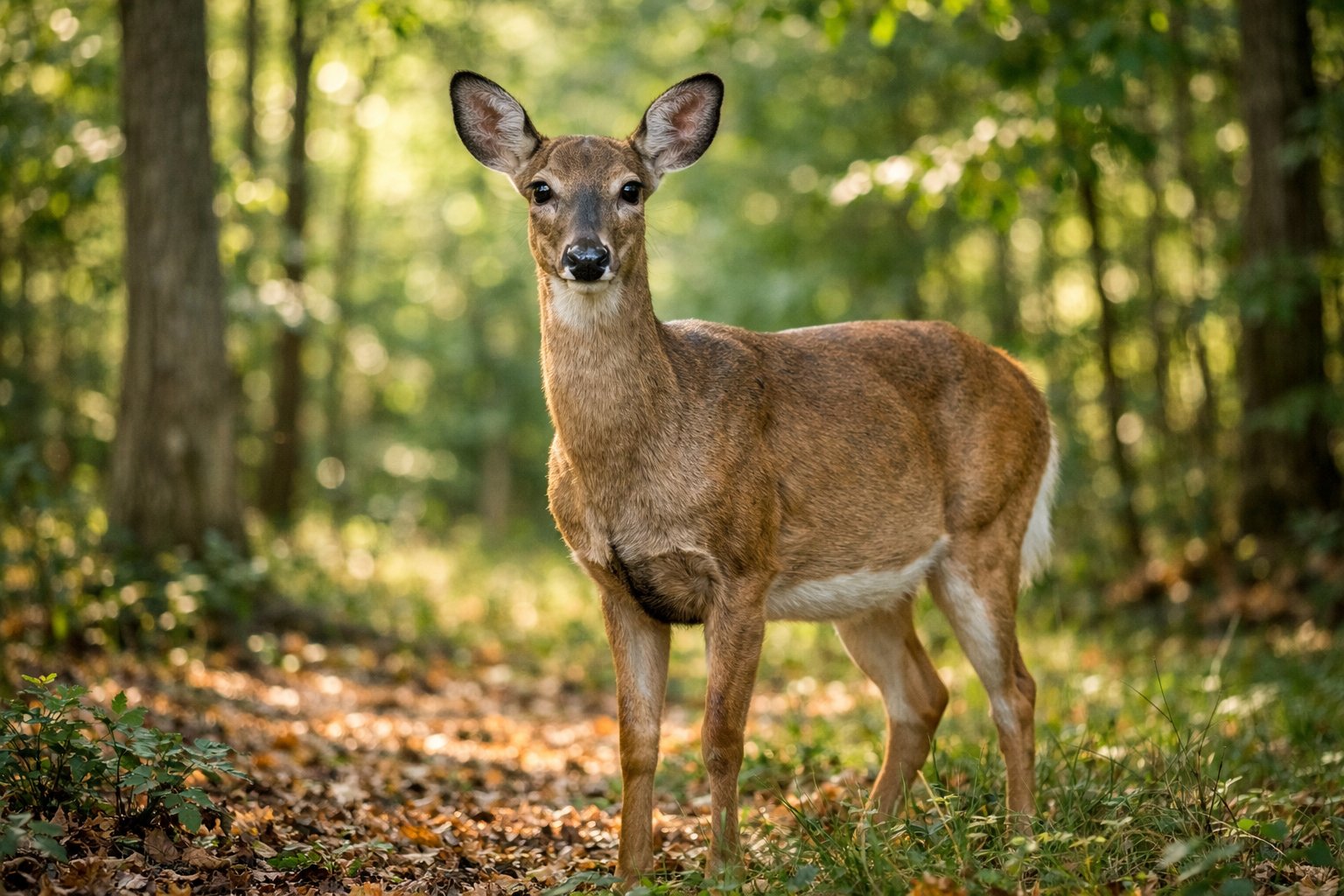
Let’s look at the signs that mean trouble and a few easy ways to avoid risky run-ins. It’s totally possible to enjoy wildlife without putting yourself, your pets, or young animals in harm’s way.
When and Why Deer Exhibit Aggressive Behavior

Let’s dig into when deer tend to get aggressive and what’s behind it. You’ll see which signs to look out for, which deer are the most dangerous, and what usually triggers their attacks.
Seasonal Aggression: Rutting and Fawning Seasons
During the rut in the fall, bucks become way more unpredictable. Their testosterone spikes, so they start chasing does, fighting rivals, and sometimes barreling right through anything in their way—including people.
You might catch bucks locking antlers, pawing the ground, or snorting as they try to impress or intimidate. It’s pretty wild to witness.
Fawning season rolls around in late spring and early summer, and that’s when does get fiercely protective. A doe that just had a fawn will stick close to bedding areas and might act aggressive if you get near her baby.
If you’re out with kids or dogs, it’s best to steer clear and give them space.
Male Deer Aggression: Bucks and Antler Clashes
Bucks use their antlers to show off and fight for dominance. Antler size tells other deer how old and tough they are, which helps decide who gets to mate.
When bucks go at it, they push, lock, and twist antlers. These fights can leave them with nasty cuts, broken antlers, or worse.
Never stand between two bucks fighting or get close to a buck during the rut. You’ll notice warning signs like lowered heads, ears pinned back, and intense staring.
If you spot those signals, back away slowly. Try to put some cover or a little elevation between you and the deer if you can.
Protecting Fawns: Maternal Instincts
Does will do just about anything to protect their fawns, especially right after birth. They usually hide the fawn in tall grass and only come back to nurse.
If you accidentally get too close, she might charge or kick to get you away. You might hear soft bleats, see her stomping, or notice her standing between you and the fawn.
To avoid trouble, stay away from areas where you see newborn fawns. Keep pets leashed, and never pick up a fawn—even if it looks abandoned. The mother is almost always nearby.
Deer Aggression Triggers: Provocation and Cornering
Deer usually prefer to bolt, but some things will make them stand their ground. If you feed them, get too close, block their way out, or surprise them, they might get defensive.
Deer that people have fed before can get pushy and might charge if they think you’re holding out. If a deer seems trapped, give it an obvious way out.
Move slowly and calmly. Loud noises or sudden moves just make things worse and could push the deer to attack.
Deer Aggression Towards Humans and Safety Precautions

Deer don’t usually want to hurt you, but there are times when the risk goes up. Knowing when they might act up, how to spot the warning signs, and what you can do to stay safe really helps.
Deer Attacks on Humans: Frequency and Causes
Direct attacks from deer on people don’t happen often. Most injuries happen when a startled deer kicks, charges with its antlers, or in car accidents.
Fatal encounters are rare and usually involve big bucks during the rut or a doe protecting her fawn. Injured or sick deer can also act out unpredictably.
You’re more likely to get hurt if you end up between a doe and her fawn, corner a deer, or try to touch a wild one. If a deer looks tense or agitated, back away slowly and make sure it has room to escape.
Call local wildlife officials if you spot a wounded deer, see strange behavior, or find a deer hanging around where lots of people gather.
Warning Signs of Deer Aggression
Body language gives away a lot. If a deer stamps a front leg, snorts, pins its ears back, or lowers its head, it might be getting ready to charge.
Bucks with raised hackles or circling during rut can also mean trouble. Watch for hair standing up on the neck, rapid pawing, loud snorting, or a deer staring right at you.
If you see fawns nearby or hear a mother bleating loudly, you’re probably too close. Try to keep at least 50–100 feet away from any deer, and even more from a buck with antlers.
If a deer starts coming toward you, don’t run straight away. Move off diagonally, put something big like a car between you and the deer, and avoid sudden moves that could make things worse.
Habituation, Environmental Factors, and Human Interaction
Deer that get used to people—especially when folks feed them—start losing their fear. In parks or neighborhoods, these deer might come right up to you, expecting food.
That can turn into aggressive behavior if they don’t get what they want. Dense brush, fences, or dogs can trap deer and make them defensive.
Seasonal changes like spring fawning and fall rut really ramp up their hormones and territorial instincts. If you feed deer, leave pet food outside, or plant things they love, you’ll probably see them more often around your house.
Check your local wildlife guidelines. A lot of places ban feeding wild deer because it makes them bolder and more likely to cause problems for people or damage property.
Practical Tips for Coexisting with Deer
Keep a safe distance. Try to stay at least 50–100 feet away from deer, especially during rut and fawning seasons.
Don’t feed deer. If you have bird feeders, either remove them or secure them so deer can’t get to them. Bring garbage and pet food inside whenever possible.
Protect your garden with deer-resistant plants or fencing. Electric or angled fences seem to work well for most yards. You might want to set up motion-activated lights or sprinklers to keep deer from coming too close.
If a deer blocks your path, stay calm. Speak softly and back away slowly.
Keep your dog leashed near deer. That way, you’ll avoid a chase or an unwanted reaction from the deer.
If you see a sick or injured deer, contact wildlife authorities. Don’t try to handle the animal yourself.
Curious about why deer sometimes act aggressively or when it’s most likely? Check out the National Deer Association’s overview of common triggers and seasonal risks: reasons deer attack humans and seasonal risks.


