
Ever spot a fawn curled up in the grass or lock eyes with a deer on a trail and feel that urge to reach out? Trust me, it’s not a good idea for you or the animal. Wild deer see human touch as a threat. When you touch them, you risk injury, disease, or making the deer depend on people.
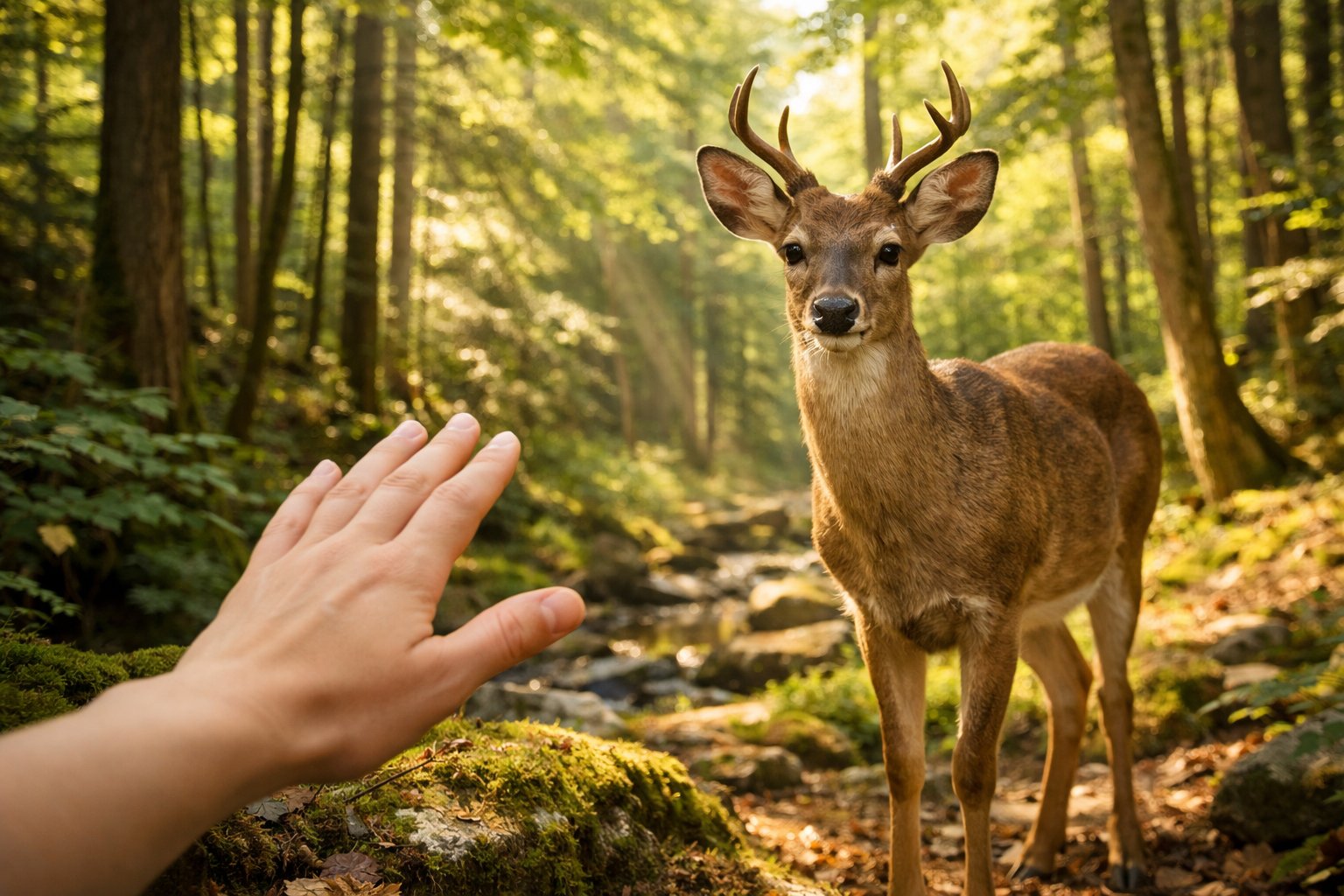
Let’s talk about why wild instincts and health risks make touching deer a bad idea. There’s a lot more to it than just “don’t do it”—like how touching a fawn can mess up its chances of survival.
If you ever come across a lone or injured deer, there are safer ways to help. Stick around to pick up a few simple actions that keep you and the animal safe.
Why You Should Never Touch a Deer

Touching a deer can hurt both you and the animal. It could change a fawn’s chance to survive, spread disease, or even put you in danger if an adult deer panics.
Natural Behaviors of Fawns and Does
Fawns blend in with their white-spotted coats while their mothers go off to forage. Newborn deer and other big game animals hide for the first weeks of life.
The mother leaves her fawn alone for hours so predators can’t easily find it. If you pick up or move a baby deer, you mess with that survival plan.
The doe comes back by following scent and location. If you leave your scent on a fawn, the mother might stay away or avoid the spot until your smell fades.
Does sometimes get aggressive if they think their fawn is threatened. A pregnant doe or one with young nearby might charge if you get too close.
Let the mother do her job—trying to help usually does more harm than good.
Human Scent and Predator Risks
When you touch a fawn, your scent can attract predators or scare off the mother. Coyotes and foxes sniff out prey, and a new human scent trail makes it easier for them to find the fawn.
Your scent doesn’t vanish right away. It can stick to the fur and bedding, making the spot risky for hours or even days.
If you see a fawn curled up in the grass, just leave it alone and back away quietly. Only step in if it’s truly in danger—like lying in the middle of a road.
Dogs and kids can make things worse. A dog might chase or scare a fawn, causing it to bolt and reveal its hiding place. Keep pets on a leash and teach kids not to touch wild animals.
Legal and Safety Considerations
Lots of places have laws against handling wild animals unless you have a permit. Wildlife rehab and removal usually require special licenses.
Taking a fawn home or keeping it isn’t just a bad idea—it’s illegal in many places, and you could get fined or face charges.
There are health risks too. Deer carry ticks that spread Lyme disease, plus other illnesses that can jump to humans. Adult deer, especially bucks during rut, can act unpredictably if they feel trapped or hurt.
You could get injured by a kick or a charge. If you think a deer is hurt or abandoned, call a local wildlife rehab center or animal control.
They’ll give you advice or send trained folks to help. For more details on why fawns get left alone and what to do, check out this explanation on why you should never touch a baby deer (https://wildlifestart.com/never-touch-baby-deer/).
What to Do If You Find a Deer Alone in the Wild

If you stumble on a lone deer or fawn, just stay calm and keep your distance. Watch for signs of injury, but only act if it’s really necessary.
Usually, your best move is to monitor from afar, keep people and pets away, and call the pros if the animal is injured, trapped, or in real danger.
How to Respond During Outdoor Adventures
Give a resting mule deer fawn, elk calf, or bison calf at least 50 yards of space. These young animals often lie still while their moms feed nearby.
If the animal looks calm, is breathing normally, and isn’t bleeding, don’t touch it. Use binoculars or zoom in with your camera to see if an adult is close.
Move quietly and keep pets leashed. A dog can scare a mother deer and cause the young one to run off, wasting precious energy or splitting up the family.
If the animal is on a trail or road, slow down traffic or ask others to steer clear while you call for help. In Utah, you can reach out to the Utah Division of Wildlife Resources for advice.
If you’re hiking or camping in a park, tell a ranger instead of trying to move the animal yourself.
When to Contact Wildlife Rehabilitation Centers
Call a local wildlife rehabber or aid group if the animal is clearly injured, orphaned, or in immediate danger. Look for things like bleeding, broken limbs, extreme thinness, or nonstop distress calls from a fawn.
If you notice a fawn has been in the same spot and alone for hours during hot early summer weather, get in touch with professionals.
Give the rehabber the exact location, species (like mule deer fawn, elk calf, or bighorn sheep lamb), and what injuries you noticed.
If you’re near Salt Lake City, the Utah Division of Wildlife Resources or local rehab networks can connect you to someone permitted to help. Don’t move the animal unless a rehabber tells you to—untrained handling often does more harm and could be illegal.
Avoiding Unintentional Harm to Wildlife
Don’t pick up, feed, or keep a wild deer, elk, or bison calf. When people touch these animals, they can change the animal’s scent, and that just makes it easier for predators to find them.
Try not to touch clothing or blankets to the animal, either. If you want to help, grab your phone and document what you see—photos are super useful.
Always keep your distance and make sure you’re not blocking any escape routes. If you really have to stay close, just stand still and keep quiet.
Don’t try to herd the animal. When you call for help, send photos and describe its behavior instead of moving it.
Need more info? You can search for “wildlife rehab” or “big game coordinator” in your state. Local organizations like the Wildlife Aid Foundation often have good advice, too.


