
Ever spot a deer on a trail and wonder how long it’ll stick around? Wild deer usually live about 3 to 6 years, but deer in captivity often make it to 7, 10, or even more.
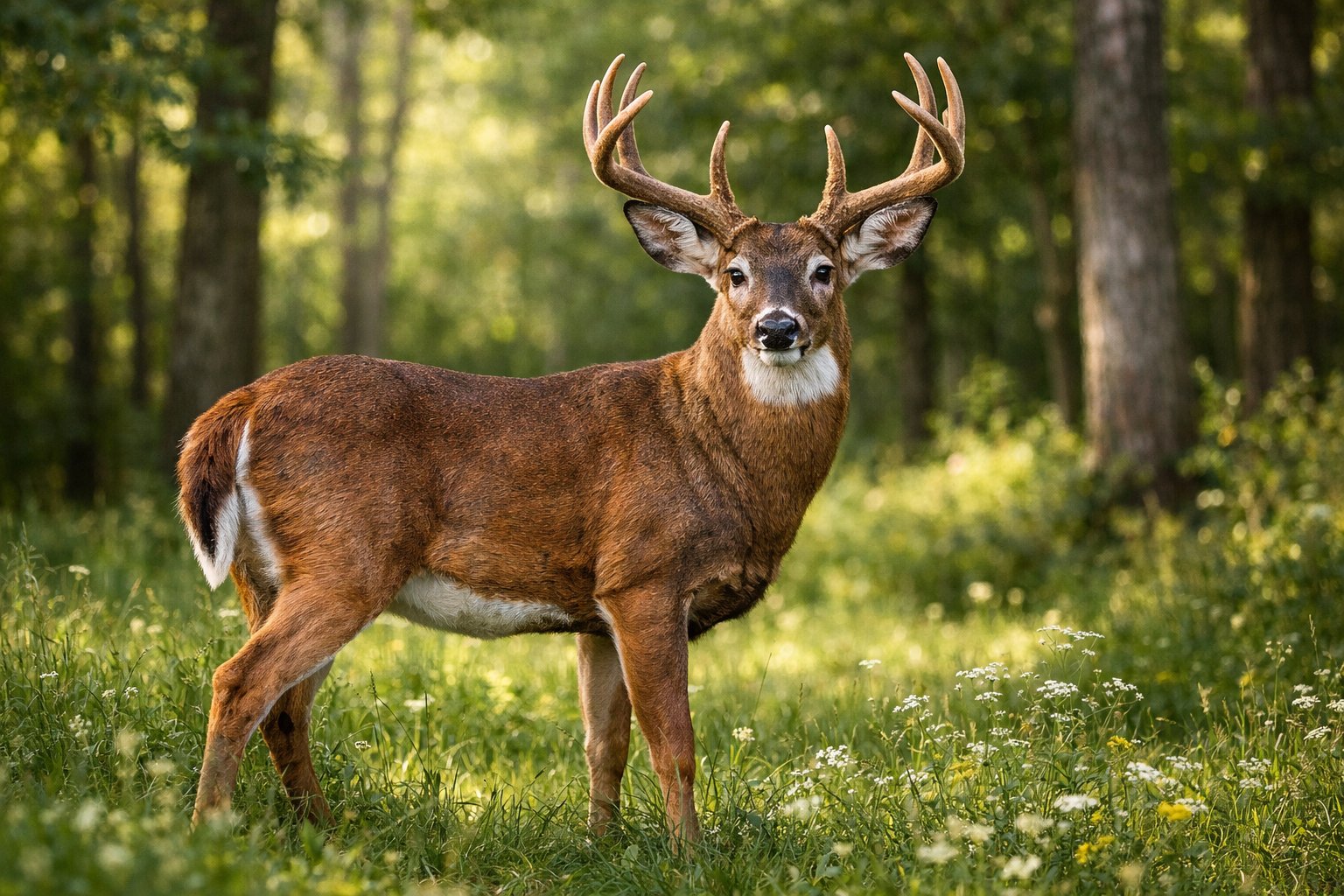
Let’s break down what changes a deer’s lifespan in the wild versus captivity. Hunting, disease, predators, and habitat all play a part.
Curious about how experts age deer, what shortens their lives, and those rare deer that reach grand old ages? Keep reading.
Lifespan of Deer in the Wild and Captivity

Wild deer don’t get much time—predators, disease, and accidents usually cut their lives short. But in captivity, people give them food, shelter, and medical care, so they stick around longer.
Average Lifespan of Wild Deer
Most wild deer make it 3 to 6 years, give or take. White-tailed deer, for example, often average 4 to 5 years in many places.
Male whitetails (bucks) don’t last as long as females since they take more risks during the rut and wander farther. Fawns have it rough—predators, malnutrition, and harsh weather claim many in their first few months.
Adult deer face car crashes, hunters, chronic wasting disease, and parasites. If they live in rich woodlands with plenty of food and cover, they’ll usually outlast those stuck near roads or cities.
Predator numbers, hunting pressure, and disease outbreaks can all push the average up or down.
Deer Longevity in Captivity
Deer in captivity often live a decade or more. People control their food, shelter, and health care, so some captive white-tailed deer reach 15 to 20 years.
Captive deer avoid hunters, most predators, and the stress of tough winters. Still, captivity brings its own risks—poor enclosures, obesity, or disease outbreaks can happen if you don’t manage things well.
Farms, zoos, and rehab centers all vary in care. The best places give deer the longest lives.
If you’re thinking about keeping deer, be ready for vet bills and laws. Good nutrition, fencing, and disease checks all matter for their lifespan.
Oldest Deer on Record
Captive deer hold the records for oldest ages. Some white-tailed deer in captivity have reached their early 20s.
Wild deer almost never make it that far—hazards stack up fast. People usually confirm these ages with herd records or taxidermy mounts with known birthdates.
Take claims of extremely old deer with a grain of salt, though. Mistakes with dates or species aren’t uncommon.
Realistically, you can expect a top age of 15–20 years in great captive care, and less than 10 years for most wild deer.
Differences by Deer Species
Deer species don’t all age the same. White-tailed deer in the wild usually last 4–6 years, with does outliving bucks.
Mule deer have similar averages, but heavy hunting or fragmented habitats can cut those numbers. Roe deer in Europe often live 4–6 years, while red and sika deer sometimes last longer, especially with fewer predators around.
Bigger species like red deer can reach older ages in captivity than smaller ones. But honestly, local threats and habitat matter more than just the species name.
Key Factors Affecting Deer Lifespan

A handful of risks decide how long deer make it. Predators, disease, food, shelter, and people all play their part.
Role of Predators and Disease
Predators hit fawns and some adults hard. Coyotes, bobcats, black bears, mountain lions, and wolves hunt fawns and sometimes take down adults.
You’ll notice more fawn deaths where coyotes or big cats are common. Predators tend to weed out the weaker deer, which shapes how long the rest survive.
Disease can wipe out herds quickly. Chronic wasting disease (CWD) causes a slow decline and drops local survival rates.
Other outbreaks, like epizootic hemorrhagic disease (EHD) or bovine tuberculosis, cause sudden die-offs. Parasites like lice and ticks weaken deer in winter, raising the risk of death when food runs low.
Fighting these diseases is key for keeping deer healthy and alive longer.
Impact of Habitat and Nutrition
Good habitat really boosts a deer’s odds. Dense cover, plenty of browse, and steady water keep predators and winter stress at bay.
When habitat gets chopped up, deer crowd into small areas. That means more car crashes and easier targets for hunters.
Nutrition makes a huge difference. Well-fed does have healthier fawns, and deer with enough food just last longer.
Harsh winters with deep snow block food and burn up energy, leading to more deaths. Overcrowding makes things worse—deer compete for food, get weaker, and diseases spread faster.
Human Influences on Deer Survival
People shape deer survival in big ways. Roads and hunting laws change how and when deer die.
Car collisions kill thousands each year, especially in fall when deer move for breeding. Hunting rules decide which deer get targeted, changing the age and sex balance in a herd.
Urban sprawl breaks up habitat and pushes deer near roads and backyards, raising their risk. Management actions—like feeding bans, vaccines, or controlled hunts—directly impact deer numbers.
When land use or regulations shift, deer populations respond—sometimes fast, sometimes not so much.
How Aging and Mortality Are Studied
Researchers use a mix of methods to figure out how long deer live and what causes them to die. They often rely on mark-recapture and radio-collar studies to track survival rates, movements, and what ultimately leads to a deer’s death.
You’ll notice that collar data pops up a lot when people calculate yearly survival or break down causes like hunting, predation, disease, or those all-too-common vehicle collisions.
When it comes to aging, people usually look at tooth wear or count cementum annuli to estimate how old a deer is. Cementum annuli tends to give a clearer picture for older deer, which really helps when measuring how long deer live and how mortality rates shift with age.
Population models pull together survival, reproduction, and harvest data to predict where deer populations might go next. Managers use these models to test out different scenarios and management ideas.


