
So you’re out in the woods, and suddenly a deer freezes, locks eyes with you, and slams its hoof down. That little stomp says one thing: the deer’s noticed you and isn’t sure if you’re a threat.
That stomp? It’s a clear alarm. The deer’s warning you to back off while it decides if it should bolt or stand its ground.

Give it space, stay chill, and move away slowly. If you make the deer feel trapped, things can get messy fast.
Let’s get into why deer do this, what else to look for, and what makes a deer more likely to stomp and stare. Knowing this stuff can help you handle these encounters without drama.
Why a Deer Looks at You and Stomps
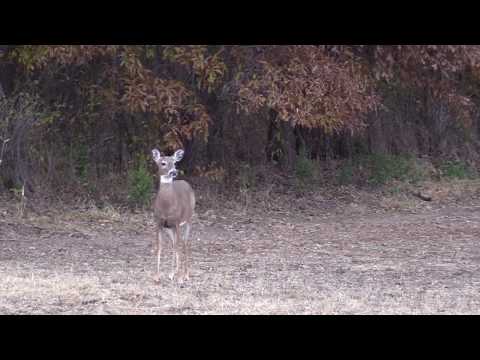
When a deer stares and stomps, it’s noticed you and wants to warn others. This move blends sound, scent, and body language to send an alarm, figure you out, and get ready to run or defend if it has to.
Deer Stomp as an Alarm Signal
A hard stomp thumps through the ground and air. That sound warns other deer something’s up and can make hidden fawns freeze or duck for cover.
If you hear more than one stomp, the deer’s getting more serious about the alarm.
The deer’s posture changes too. It tenses, ears forward, head up, all eyes on you.
Those cues help other deer pick up on the danger, fast.
If a deer stomps while staring you down, take it seriously. Back away calmly—give it at least 25 to 50 feet so everyone can relax.
Threat Assessment and Deer Stare
When a deer stares, it checks you out—your size, how you move, your scent. It’s deciding if it should run or hang tight.
If it stares and throws in a slow stomp, it’s testing your reaction. Quick or jerky moves from you? That’ll spook it and maybe make things escalate.
Keep your movements slow and non-threatening. No sudden gestures.
Watch for extra signs: a raised tail or pawing at the ground. Those mean the deer’s getting more on edge and might do something unexpected.
Deer Communication and Foot Stomp Warnings
That stomp is just one part of a deer’s warning toolkit. There’s tail flagging, snorts, ear flicks, and body stance too.
They use these signals together to let each other know whether to freeze, run, or check things out.
A stomp often comes with a snort or a quick dash to show it’s not messing around.
If there’s a group, one stomp can set off the whole crew. Suddenly, they’re going from grazing to a tight, ready-to-bolt bunch.
If you respect these warnings and give them space, things usually stay calm. Push too close, though, and you might startle them—or even get hurt if a deer feels trapped.
The Role of Interdigital Scent and Snorting
Deer have scent glands near their hooves and between their toes. When they stomp, they release scent that other deer pick up.
That scent shares info—like how alarmed the deer is, its sex, or even who it is.
A snort blasts out air and scent at once, adding a loud alarm. Usually, a snort comes after a stomp if the deer wants to ramp things up.
When you see a deer stomp, snort, and stare, it’s using sight, sound, and smell to get the message across.
Back off slowly, keep pets close, and try not to push the deer into more intense signals.
Factors That Influence Deer Stomping and Staring

Deer use stomps and stares to send messages about danger, focus, and how ready they are to react. The way they do it depends on their role, species, the season, and even their past experiences.
Protecting Fawns: Special Alarm in Female Deer
If a female deer senses trouble near her fawn, she’ll usually act much more intense than a solo adult.
You might see a doe keep her fawn hidden in tall grass, then approach you with a stiff walk, sharp stare, and loud stomps to warn you off.
She’s trying to get your attention and warn other deer, all while keeping her fawn out of sight.
If a doe with a fawn stares and stomps, back away slowly—give her at least 50 to 100 feet if you can.
Does with babies can go from stomping to snorting or even bluff-charging if you don’t respect their space.
No sudden moves or loud sounds. You don’t want to make her feel like she has to defend her kid.
Whitetail Deer Versus Other Species
Whitetail deer often stomp with their front foot, stare hard, and flag their tails. It’s a classic North American deer warning.
Other deer, like mule deer or European roe, stomp too, but their style and how often they do it can be different.
Whitetails usually stomp once or twice, then freeze with an intense stare before deciding to run.
Mule deer might toss their heads or snort louder.
If you know the species, you’ll have a better idea of what the deer might do next—run, stand its ground, or call the herd.
That’s handy if you’re hiking or working near where deer hang out.
Seasonal and Environmental Context
The time of year changes how often you’ll see this behavior.
In spring and early summer, does with fawns stomp more to protect their young.
In fall, bucks in rut can get more aggressive and show off with stomps.
Winter deer might be jumpier and react to smaller things.
Where you are matters too. In suburban areas, deer sometimes get used to people and might not stomp as much, but they’ll still flag and stare if you surprise them.
In thick woods, a stomp can carry farther as a warning.
Pay attention to the season and your surroundings. Adjust your approach so you don’t stress out the deer—or yourself.
Individual Variation in Deer Behavior
Every deer responds in its own way, shaped by its unique experiences and temperament.
Some whitetails bolt the moment they stomp once. Others just stand their ground, stare for a while, and might even stomp over and over.
Young deer? They’re usually more curious—sometimes they’ll just watch you instead of stomping. Older deer, though, seem to use stomps as a clear warning to the rest of the herd.
If you watch from a safe distance, you can start to notice patterns. Maybe you’ll spot a deer that doesn’t mind people, or one that acts jumpy near food or fawns.
Noticing these little details can help you guess if a stomp means the deer’s about to run or if it’s gearing up for a more defensive move.


