
Most people assume deer just run away, but honestly, they send out some obvious signals when they’re angry or threatened. If you spot a deer stomping its foot, pinning its ears, snorting, lowering its head, or even charging—especially with whitetails—that’s usually a sign it’s ticked off. Picking up on these clues can help you steer clear of trouble.
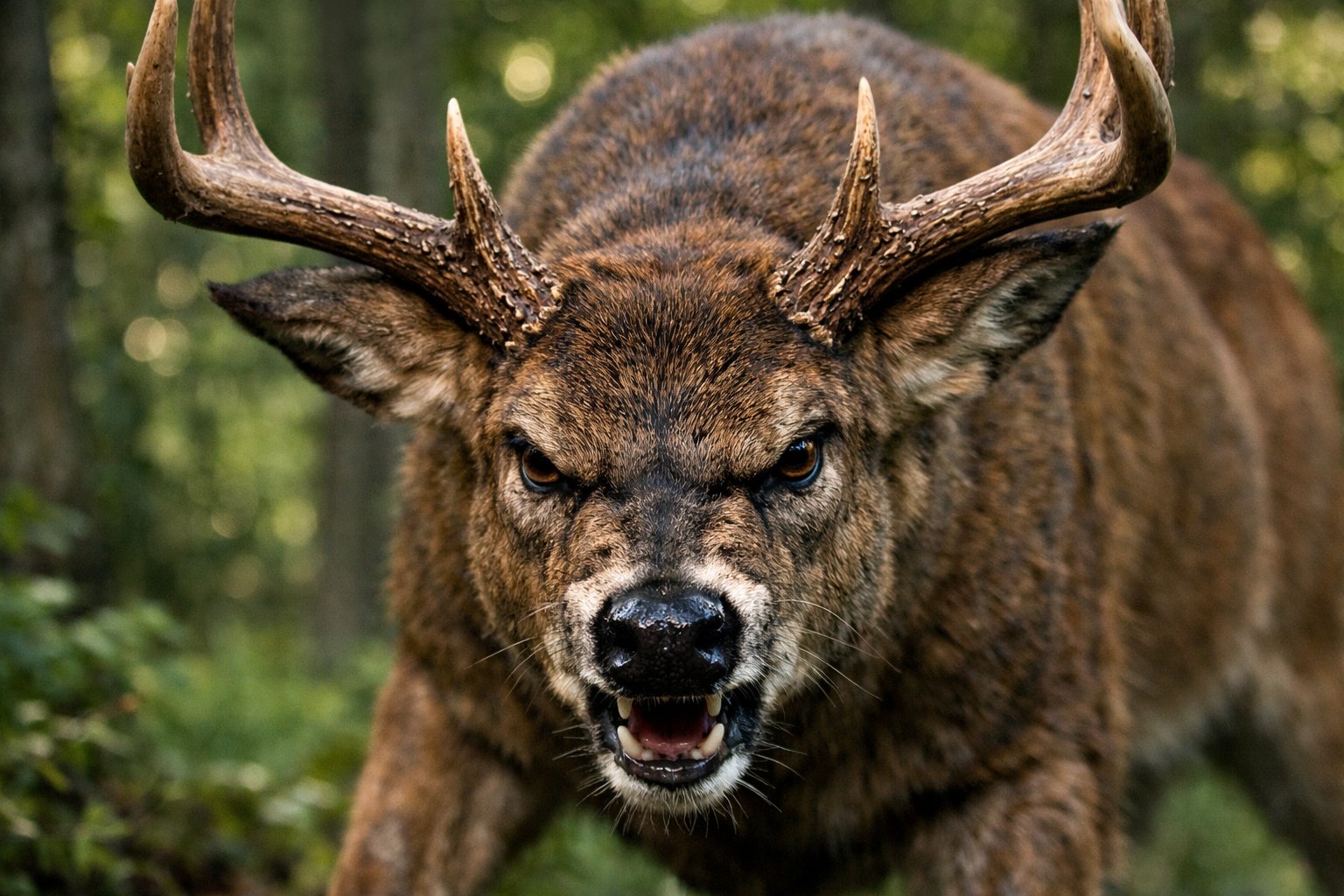
You can usually tell a deer’s mood by watching its body language and listening for certain sounds. Bucks act differently during the rut, and things get tense if a doe’s protecting her fawn.
Try to keep your distance, stay cool, and let the deer’s signals decide your next move.
Recognizing Anger in Deer: Body Language and Aggressive Signals
You’ll spot warning signs before a deer attacks if you pay attention to posture, head position, ears, and sound. Even small changes can tell you if a deer feels nervous, defensive, or ready to charge.
Common Triggers of Deer Anger
Deer get angry when they think their fawn, territory, or mating chances are at risk. Does can get defensive if you or a dog wander too close to their babies.
Bucks get feisty during the rut, especially if another animal or person blocks their path to a doe. Loud noises, quick movements, or dogs running nearby often set them off.
If food is scarce or there’s competition at feeders, deer can get pretty hostile. When people cut off a deer’s escape route—like cornering it near a fence or a car—the odds of a charge go way up.
So, if you notice a deer with nowhere to go, that’s when things can get dicey.
Subtle Signs: Body Language and Gestures
Watch for ears pinned back or dropping to the side—those usually mean irritation. If a deer gives you a hard stare, it’s probably sizing you up as a threat.
You might see a front hoof stomp or hear a short snort. One stomp or a few in a row is basically the deer’s way of telling you to back off.
When hair stands up along the neck and back (piloerection), the deer tries to look bigger. That’s a sign it’s on high alert.
Sometimes, you’ll catch a whiff of scent from glands on their legs, especially during tense moments or when they mark territory. These early cues give you a chance to leave before things go south.
Move away slowly and don’t stare directly at the deer.
Escalated Aggression and Physical Actions
If you ignore the warnings, deer get louder and more physical. A sharp snort-wheeze—a weird, strained exhale—means the deer’s seriously agitated and might hold its ground.
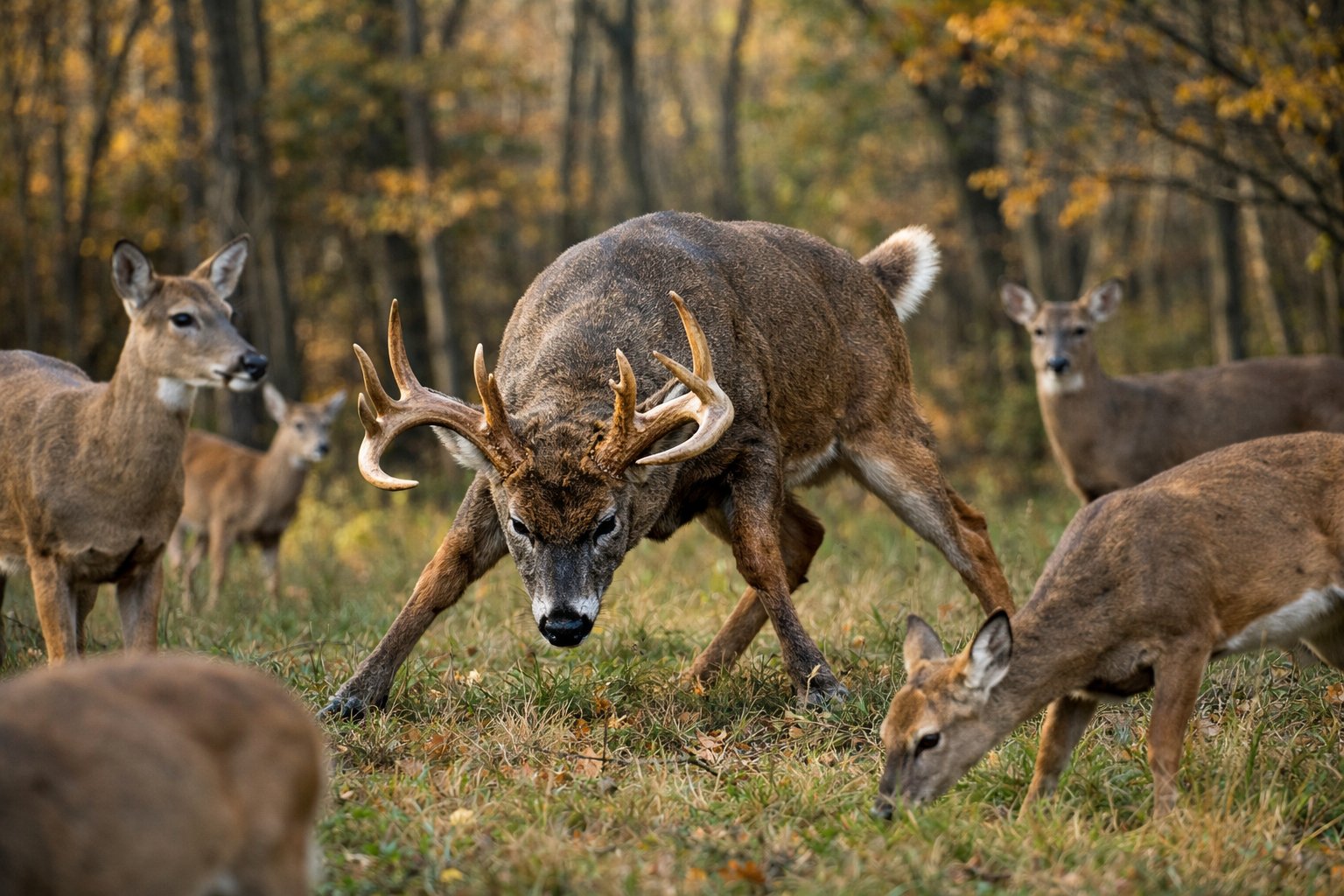
Bucks lower their heads and point antlers forward as a threat before charging. Physical moves include charging, antler thrusts, kicking, and trampling.
Does usually kick or use their hooves to shield fawns, while bucks go for antler fights. Deer attacks can really hurt, so if one follows you, try to get a tree or car between you and the animal.
If a deer charges, back away in a straight line and look for cover. Don’t zig-zag; quick moves can make things worse.
If you’ve got a backpack or jacket, hold it between you and the deer to help protect yourself.
Behavior Differences During the Rut and in Various Contexts
Deer act differently depending on the season, where they are, and who’s around. You’ll notice different risks and clues when bucks chase does, when deer eat, or when people get too close.
Bucks Versus Does: Comparing Aggressive Behavior
Bucks show off the most aggression during the rut. You’ll see them rub antlers on trees, make scrapes, and fight over does.
Males often ignore food, wander farther, and challenge other bucks with grunts and snort-wheezes.
Does act another way. They get picky about which bucks they let near and usually avoid fighting.
If a doe feels threatened, she’ll stomp, snort, or just run to protect her fawn.
If you’re hunting or just watching whitetails, you’ll see a dominant buck follow a doe closely and try to keep rivals away. Younger bucks usually avoid fights and look for does that aren’t guarded.
Experts like the National Deer Association say hormones and daylight changes drive these shifts in behavior.
Aggression Around Feeding and Habitat
Feeding spots can get tense when food runs low. Bucks might push does or younger bucks away from food piles or good browse.
If you feed deer, expect more shoving at dawn and dusk when they’re most active.
In thick woods or tight spaces, deer feel boxed in and might bluff charge or snort loudly.
They’re more likely to run in open fields, but in dense cover, they may stand their ground.
You can cut down on fights by spreading out food, leaving escape routes, and not sneaking up on them. Heavy hunting pressure pushes deer into thicker cover and can make them more aggressive at safe feeding spots.
Deer Encounters with Humans and Hunters
When you walk up to deer, their reaction really depends on what they’ve been through before and the time of year. Bucks, especially during the rut, usually let people get closer because their urge to mate kind of takes over.
That’s why folks find themselves face-to-face with deer more often in the rut. Hunters, take note—staying downwind and moving quietly makes a big difference.
If you spook a buck, he might suddenly leap or dash off, sometimes right into trouble. Does and fawns can get defensive too; if you end up between them, a doe might actually bluff-charge just to push you away.
Notice a deer with pinned ears, raised hair, or a stiff walk? That’s your cue—give them some space and slowly back off.
Groups that work on deer management always remind hunters to avoid risky situations and respect how deer behave. It’s about keeping everyone—human and animal—out of harm’s way.
Want to dig deeper? Reading up on rut timing and deer behavior can really help you plan safer hunts. Check out the Deer Ecology & Management Lab for more on how the rut affects deer movement and aggression.


