
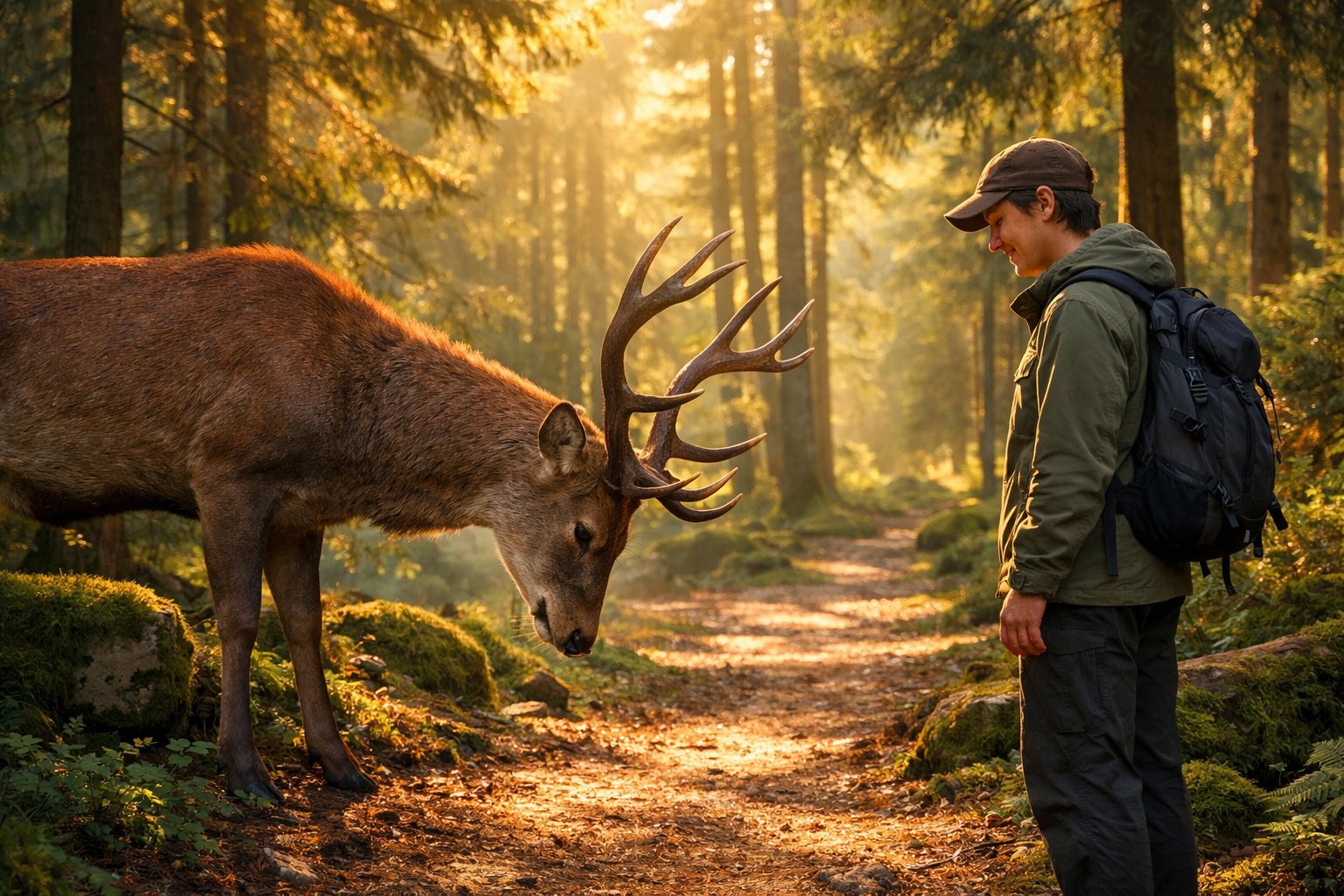
When a deer bows to you, it can mean a bunch of different things, depending on what’s going on. Usually, though, it’s a calm, non-threatening gesture from the animal.
Sometimes it shows curiosity or submission, and other times, it’s just the deer picking up habits from people or using its own body language.
Let’s dig into what this could mean. Some reasons are pretty straightforward, like attention or feeding habits. Others are more about culture or symbolism—think respect, or even a sense of connection.
If you’re curious, there are a few clear signs that help explain what the deer’s gesture probably meant in that moment.
Key Interpretations When a Deer Bows to You
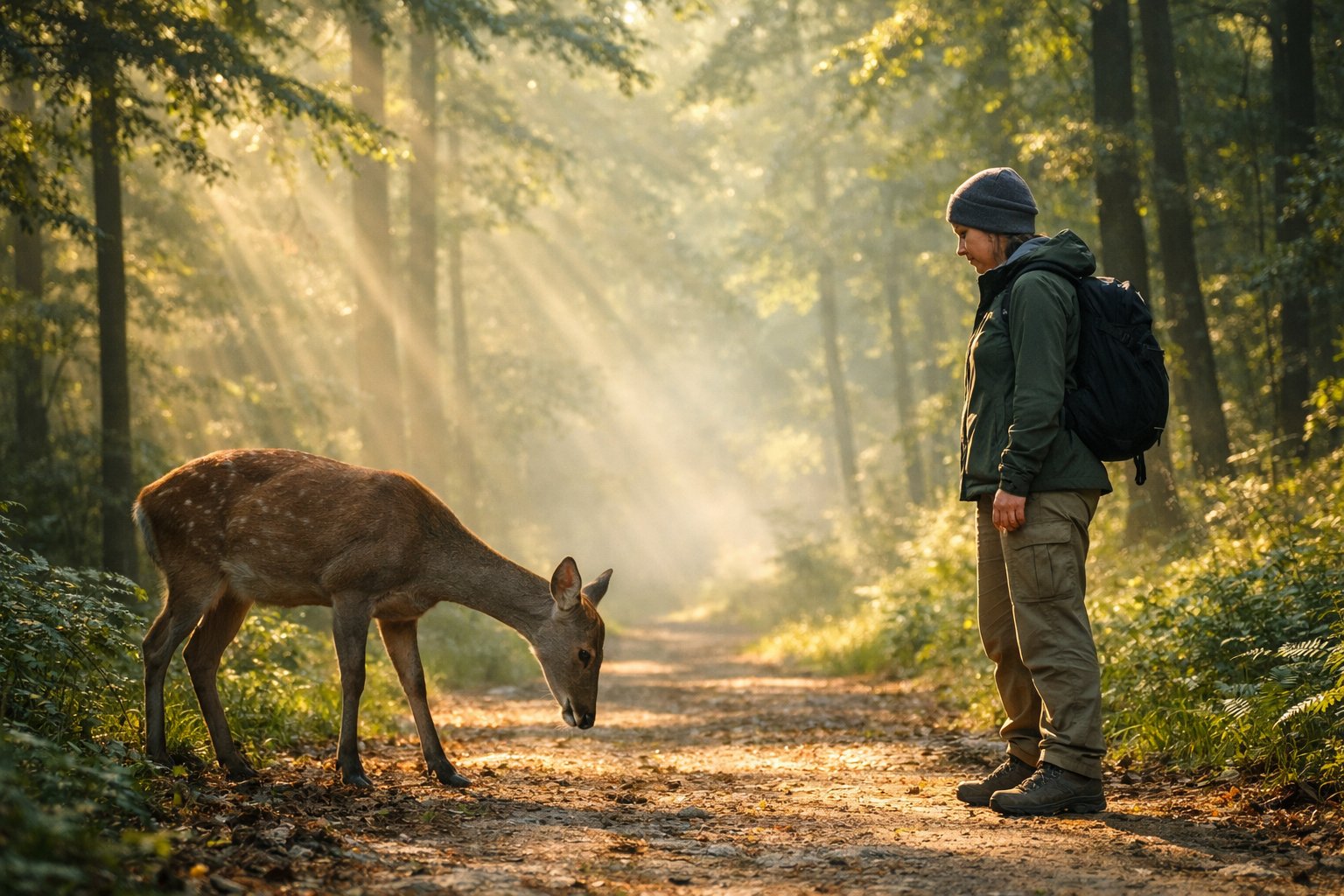
A deer bow can be a simple animal signal, but it might carry a deeper meaning too.
You might see it as respect, a gentle offer to connect, or even a social cue about rank—each one has its own signs if you pay attention.
Sign of Respect and Submission
When a deer lowers its head toward you, it often feels calm and unthreatening.
Look for slow movements, relaxed ears, and steady breathing. These signs mean the deer feels safe and might be offering a submissive gesture.
If the deer belongs to a herd, bows can help lower tension between individuals.
When you’re around, this behavior might mean the animal sees you as neutral or non-aggressive.
Move slowly, or just stay still.
Your quiet presence reassures the deer and keeps things peaceful.
Invitation to Connect With Nature
Sometimes, a deer’s bow feels like a gentle reminder to notice the world around you.
If you see a deer bow, you get to watch its posture, eye contact, and sense of calm up close.
Take a breath and notice the details—its coat, the way its ears move, or how it listens.
This usually happens in places where deer are used to people, like city parks or shrines.
In those spots, a bow might be an invitation to slow down and respect the wildlife.
You can respond by giving the deer space, keeping your voice low, and letting it decide what happens next.
Acknowledge of Dominance and Social Hierarchies
Deer in social groups use bowing to show rank or deference.
If you watch bucks, you’ll sometimes see head dips when they show dominance or submission.
Check out antler position and posture—stronger deer keep their heads higher, while the ones showing submission lower theirs.
If a deer bows near other deer, it might be settling a dispute or showing who’s in charge.
When you’re present, the deer’s bow could just be about its place in the group, not a message for you.
Notice how the group acts and you’ll get a sense of whether the bow is social or directed at you.
Natural and Symbolic Reasons Behind Deer Bowing

A deer lowers its head for all kinds of reasons—sometimes it’s learned, sometimes it’s just what deer do.
Let’s look at what scientists have noticed, what people believe, and some real-life situations where deer bowing pops up.
Natural Deer Behavior and Learned Gestures
Deer lower their heads all the time: when they graze, check scents, or show submission to each other.
In the wild, red deer and other types use head posture to signal rank or calm the group.
A deer might freeze and stare at you to check if you’re a threat.
If it decides you’re not, it might lower its head afterward.
In places like Nara Park, deer learned to bow because people give them food for it.
That’s not an instinctive “thank you”—it’s a learned trick. Younger deer copy the older ones, and the more people reward them, the more you’ll see it.
Cultural and Spiritual Symbolism
A lot of cultures see deer as symbols of gentleness, intuition, or even messengers between worlds.
If a deer bows to you, some folks think it’s a nudge toward healing or self-reflection.
People sometimes see a deer after a loss and feel it means something, or take a deer crossing their path as a sign to slow down and listen to their emotions.
Spiritual readers connect deer energy with sensitivity and grace.
A white or albino deer might feel extra special—some say it symbolizes purity or rare insight.
Of course, these meanings come from people. They help us reflect, but they don’t really explain why the deer actually bowed.
Practical Contexts: Food, Curiosity, and Human Influence
You’ll spot bowing most often in places where people feed deer or where deer wander up to humans for snacks.
If you feed deer crackers or other treats, you’ll probably notice them picking up the behavior fast.
Deer that tag along after you or bow for food are definitely hoping for a treat. If you stop feeding them, they usually stop bowing.
There are real risks here. Deer used to humans can get bold, maybe even cause injuries or suffer from poor nutrition.
Sometimes, injured deer lower their heads in a way that looks different. And when a deer freezes in headlights, it’s just reacting out of fear—not trying to be ceremonial.
If a deer comes up to you, be careful. Don’t hand-feed them unless you’ve checked with local experts.
Respect deer-resistant plants and any posted signs—they’re there to keep both you and the animals safe.


